

Hey there! As a supplier of Titanium Anode for PCB, I've seen firsthand the importance of dealing with waste titanium anodes in an environmentally friendly way. In this blog, I'll share some insights on how we can handle this issue without harming our planet.
First off, let's understand why waste titanium anodes are a concern. Titanium anodes are widely used in the PCB industry for processes like Titanium Anode For Vertical Continuous DC Copper Plating and Titanium Anode for Copper Recovery From Etching Solution. Over time, these anodes wear out and become waste. If not properly managed, they can release harmful substances into the environment, such as heavy metals and chemicals used in the plating process.
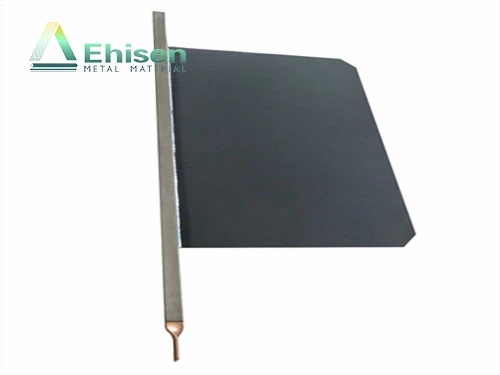

One of the most effective ways to deal with waste titanium anodes is through recycling. Recycling not only reduces the environmental impact but also helps in conserving natural resources. When we recycle titanium anodes, we can recover valuable metals like titanium and other precious metals that are coated on the anode surface. These recovered metals can then be reused in the production of new anodes or other products.
To start the recycling process, we need to collect the waste titanium anodes. This can be done through a well - organized collection system. As a supplier, we can work with our customers to set up a collection program. We can provide containers or arrange for regular pick - ups of the waste anodes. Once the anodes are collected, they are sent to a specialized recycling facility.
At the recycling facility, the anodes go through a series of processes. First, they are cleaned to remove any dirt, debris, or residual chemicals. Then, the anode is subjected to a process called smelting. In smelting, the anode is heated at high temperatures to separate the different metals. The titanium and other metals are then purified and refined to make them suitable for reuse.
Another option for dealing with waste titanium anodes is reconditioning. Reconditioning involves restoring the anode to its original working condition. This can be done by replacing the worn - out coating on the anode surface. For Titanium Anode for Vertical Continuous Plating, the coating is crucial for its performance. By reconditioning the anode, we can extend its lifespan and reduce the amount of waste generated.
When reconditioning, we first inspect the anode to determine the extent of the damage. If the titanium substrate is still in good condition, we can remove the old coating and apply a new one. This process requires specialized equipment and expertise. However, it can be a cost - effective and environmentally friendly solution.
In addition to recycling and reconditioning, we also need to consider proper storage and transportation of waste titanium anodes. During storage, the anodes should be kept in a dry and well - ventilated area to prevent corrosion. When transporting the waste anodes, we need to follow strict safety regulations to ensure that there is no leakage or spillage of harmful substances.
As a supplier, we can play a crucial role in promoting environmentally friendly practices. We can educate our customers about the importance of proper waste management. We can also provide them with information on recycling and reconditioning options. By working together with our customers, we can make a significant impact on reducing the environmental footprint of the PCB industry.
Moreover, we can collaborate with research institutions and other industry players to develop new and more efficient ways of dealing with waste titanium anodes. For example, we can explore the use of new materials or processes that are more sustainable and less harmful to the environment.
If you're in the PCB industry and are looking for high - quality titanium anodes or need advice on waste management, I'd love to have a chat with you. We can discuss your specific needs and how we can work together to ensure that your operations are not only efficient but also environmentally friendly.
References:
- Industry reports on PCB manufacturing and waste management
- Research papers on titanium anode recycling and reconditioning
So, if you're interested in learning more about our products or want to discuss waste management solutions, don't hesitate to reach out. Let's work together to make the PCB industry more sustainable!