

Reliable Supplier of On-Demand Electrolytic Hydrogen Production
Hydrogen production through water electrolysis is an important means to achieve industrialized and cheap production of H2, and can produce products with a purity of 99% to 99.9%. Every year, my country's electricity consumption in water electrolysis for hydrogen production reaches more than (1.5x10⁷) kW·h. When current flows from the electrode
When time passes, hydrogen is produced on the cathode, oxygen is produced on the anode, and water is electrolyzed. The core part of the water electrolysis hydrogen production equipment is the electrolyzer, and the electrode material is the key to the electrolyzer. The performance of electrodes determines the cell voltage and energy consumption of water electrolysis to a large extent, and directly affects the cost. The efficiency of providing electricity to decompose water to produce hydrogen is generally 75% to 85%. The process is simple and pollution-free, but it consumes a lot of power, so its application has certain limitations.
Electrode base material
Ti-based material and corrosion-resistant surface treatment to resist corrosion problems under hydrogen and oxygen evolution conditions.
Coating materials
Mainly noble metals/oxides such as Pt, Ir, Ru, and binary and ternary alloys/mixed oxides based on them.

1. Principle of electrolyzed water
When direct current is passed into some electrolyte aqueous solutions, the decomposed substances have nothing to do with the original electrolyte. What is decomposed is water as the solvent, and the original electrolyte still remains in the water. For example, sulfuric acid, sodium hydroxide, potassium hydroxide, etc. all belong to this type of electrolytes.
When electrolyzing water, since pure water has a very small degree of ionization and low conductivity, it is a typical weak electrolyte. Therefore, the aforementioned electrolyte needs to be added to increase the conductivity of the solution so that water can be electrolyzed into hydrogen and oxygen smoothly.
When direct current acts on a potassium hydroxide aqueous solution, the following discharge reactions occur on the cathode and anode respectively.

(1) Cathodic reaction. H+ (produced after water ionization) in the electrolyte is attracted by the cathode and moves to the cathode, accepting electrons and precipitating hydrogen gas.
The discharge reaction is: 4e +4H₂O=2 H₂↑+4OH-
(2) Anodic reaction. The OH- in the electrolyte is attracted by the anode and moves to the anode, and finally releases electrons to become water and oxygen.
The discharge reaction is: 4OH- =2H₂O+O₂↑+4e
The total reaction formula of cathode and anode is: 2H₂O=2 H₂↑+ O₂↑
Electrolytic Hydrogen Production
1.Pt/Ti Mesh Electrodes

Anodes based on titanium metal include platinum-plated anode net, platinum-plated anode plate, platinum electrode rod, platinum electrode wire and platinum-plated tubular electrode. Mesh platinum-plated titanium anode is widely used, mainly because of its outstanding practical performance, such as strong ionization release ability, good electrolyte exchange, compact structure and light weight.
Pt/Ti mesh electrodes electrode combines the excellent electrochemical performance of platinum metal with the high corrosion resistance of titanium metal, and has the following advantages compared with other soluble electrodes and lead anodes:
Product Parameters:
|
Material |
Titanium |
|
Material quality |
Gr.1 (DIN 3.7025) / Gr.2 (DIN 3.7035) |
|
Size and structure |
user customized |
|
Shape |
Net, plate, tube, rod and wire |
|
Platinum layer thickness |
0.5-10μm |
|
Current density |
<75A/d㎡ |
|
PH value |
0-11 |
|
Temperature |
≤60℃ |
|
Scope of application |
anode/bidirectional electrode |
|
Advantage |
Light weight,Flexible,The titanium substrate can be reused |
2.Platinum Plated Nickel Foam

Platinum plated Nickel foam is a unique functional material with high specific surface area,low gas retention and good electrochemical properties.It is prepared by covering a nickel foam template with a platinum catalytic layer by electrochemical deposition technique,and then using the three-dimensional network structure of the template to enable the formation of porous,high surface area platinum nickel foam materials.
Nickel foam is a porous metal with a three-dimensional fully penetrating mesh structure that is made of nickel foam through high-tech deep processing. The specific gravity is 0.2~0.3, which is 1/4 of water, 1/3 of wood, 1/10 of metal aluminum, and 1/30 of iron. At the same time, the porous structure has wide-frequency sound absorption characteristics. Can be cut, bent, and simply pasted, and has strong thermal conductivity. Homogeneous three-dimensional network structure. It has a filtering effect and has excellent flow stability of gas and fluid.
Place of origin: Shaanxi, Baoji, China (Mainland)
Performance: high specific surface area, low gas retention, good electrochemistry
Process: Electrochemical deposition technique overlaid with a platinum catalytic layer
Application areas:
◆Fuel cells, wastewater treatment
◆Electrochemical synthesis, electronics and energy storage
◆Catalysis, filtration, adsorption
Product Parameters:
|
The main parameters |
|
|
Project |
Standard |
|
Name |
Nickel foam |
|
Purity |
≥99.9% |
|
Element |
(Ni+Co): balance, C≤200, S≤80, Fes100, Cus100, Sis50 ppm |
|
Porosity |
≥96% |
|
Hole position |
Number of holes:PPI110±10PPI |
|
Areal density |
350±25g/m2 |
|
Longitudinal |
≥33,6 N/2cm |
|
resistance |
≥22.4 N/2cm |
|
extend vertically |
≥5% |
|
spread across |
≥10% |
|
Vertical and soft |
≥7 times |
|
Hengrou |
≥15 times |
|
Exterior |
3. Through holes with a diameter not larger than 3mm or defects of 2mm or 5mm (such as nickel skin, scratches, etc.), or blind holes with a diameter larger than 1mm, the total number of the above three defects on an observation surface with a length of 1m is not more than 10 indivual 4.Ф≤1mm through holes and blind holes, no more than 10 on the 4X4cm observation surface 5. There shall be no more than 3 defects (such as nickel skin and scratches) ≤2mm on the observation surface of 40mmX40mm, and no more than 20 defects on 1m in the length direction. 6. Products are allowed to have watermarks and micro-spots that are not obvious to the naked eye. |
3.Platinum Coated Titanium Electrode

Platinum Coated Titanium Electrode
Platinum-coated titanium electrodes are extremely durable, resistant to corrosion, high temperatures, and offer excellent stability. They are versatile and offer several advantages over lead anodes, including:
The electrochemical performance is comparable to gold and pure platinum anodes, but at a lower cost.
The overpotential of the oxygen evolution reaction is high, and the overpotential of the hydrogen evolution reaction is low.
After electrode failure, the substrate can be reused.
High current density and production capacity.
Uniform conductivity levels, making it ideal for DSA insoluble anodes.
Ehisen offers high-quality platinum-coated titanium electrodes designed specifically to meet customer needs. Our electrodes are made from only the highest quality materials and advanced manufacturing techniques to ensure superior performance and durability. You can contact us anytime to learn more about our platinum-coated titanium electrodes and how they can benefit your specific application.
|
Material |
Gr1, Gr2 titanium |
|
Coating Material |
platinum |
|
Temperature range |
<80℃ |
|
Apply current |
<20000A |
|
Fluoride content |
<50 mg/L |
|
Precious metal content |
≥20g/㎡ |
|
Coating thickness |
0.2-10μm |
|
PH |
1-12 |
|
Anode shape |
Mesh, rod, tube, plate, etc. |
4.PEM Electrolyzers

PEM electrolyzer, the abbreviation of proton exchange membrane electrolyzer, is an innovative device that uses electrolysis to split water into oxygen and hydrogen.
The process takes place inside a specialized cell containing a proton exchange membrane, which facilitates the separation of ions and enables the selective production of hydrogen.
This is an efficient and flexible way to produce clean hydrogen that can be used in a variety of applications, including energy storage, transportation and renewable energy.
5.DSA Coated Titanium Anode

Ehisen can be made in different sizes and shapes according to customer's design drawings to obtain the best effect.
Titanium anode coating, composed of mixed metal oxides (MMO), such as RuO2 (ruthenium) - RuO2 coating thickness ≥ 10um, IrO2 (iridium) - IrO2 coating thickness ≥ 10um, TiO2, Ta2O5 (tantalum), Pt (Platinum) - 0.5-5 microns, PbO2 - PbO2 coating thickness is 0.6-1mm, which can significantly reduce the cell voltage during the electrolysis of chlorine and oxygen evolution, with significant energy saving effect and longer life. The base material is GR1 or GR2 titanium material, which can be reused and the cost is recalculated. Titanium anodes are also known as DSA or insoluble titanium anodes due to their dimensional stability and high corrosion resistance. With these advantages, titanium anodes will not contaminate the electrolysis system, improve the purity of the final product, and reduce equipment maintenance costs.
Products Parameters:
|
1. Substrate Metal Chemical Composition:
Substrate Metal Mechanical Properties:
2. MMO Coating: Mixed Ruthenium-Iridium Oxide:
Coating Contents and Life Span:
3. Working Parameters for Ru-Ir Coating:
|
|||||||||||||||||||||||||||||||||||||||||||||||||||||||||||||||||||||
6.Platinum Coated Titanium Plate Electrode For Hydrogen-Rich Water Bottle

Platinum Coated Titanium Plate Electrode For Hydrogen-Rich Water Bottle
There are many variations of passages of available but the majority have suffered alteration in some form, by injected humou or randomised words even slightly believable. All of our products are formaldehyde free environmental protection,provide the most healthy home for you.
There are many variations of passages of available but the majority have suffered alteration in some form, by injected humou or randomised words even slightly believable. All of our products are formaldehyde free environmental protection,provide the most healthy home for you.
Physical and other properties:
|
Tensile test (23°C, 50% RH) |
unit |
Technical indicators |
|
Tensile Strength |
MPa |
≥28 |
|
Elastic Modulus |
MPa |
≥200 |
|
Elongation at break |
% |
≥200 |
|
Other properties |
unit |
Technical indicators |
|
Conductivity |
S/cm |
≥0.100 |
|
Acid capacity |
meq/g |
1.05±0.05 |
|
Dissolved hydrogen content in water |
ppb |
1000-1500 |
7.Platinum Coated Titanium Felt

Platinum coated titanium felt is a high quality new metal material made from titanium fibers that have been compressed into a flat form and annealed to ensure a smooth,flat surface suitable for use in electrolytic cells.And through the platinum plating process,a felt-like material with tight coverage,high quality and diverse functions is formed,which greatly extends the service life of the titanium fiber.
Mainly used in electrolyzer cells and stacks as flow field or diffuser material, especially on the oxygen (anode) side.Since during the electrolysis reaction,carbon is immediately oxidized into carbon dioxide (if the medium is acidic) or carbonate ions (if the medium is alkaline).The electrolyzer hardware therefore cannot use a carbon-based gas diffusion layer (GDL) on the oxygen evolution electrode, which makes it an ideal candidate diffusion medium while also providing electrical contact between the anode catalyst layer and the bipolar plate or current collector on the anode side.
Products Parameters:
| Mattress Size | drawn fiber |
| Electroplated metal | 99.99% Pt |
| Titanium felt thickness | 0.25/0.4/0.6/1.0mm etc. |
| Porosity | 50-75% |
| Product shape | square/round |
| Process | electroplating,double sided platinum plating |
Click on the product list below for more product details



Products quality testing
Platinum Plated Nickel Foam


Platinum Coated Titanium Felt


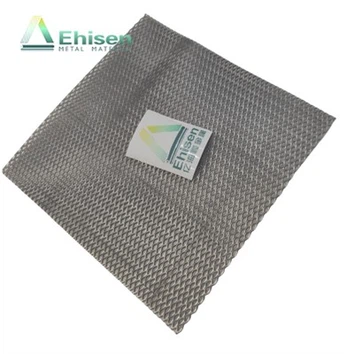
Pt/Ti Mesh Electrodes


Platinum-coated porous sintered mesh

Composition of PEM electrolyzer
The names of the components of the PEM electrolyzer from top to bottom are:
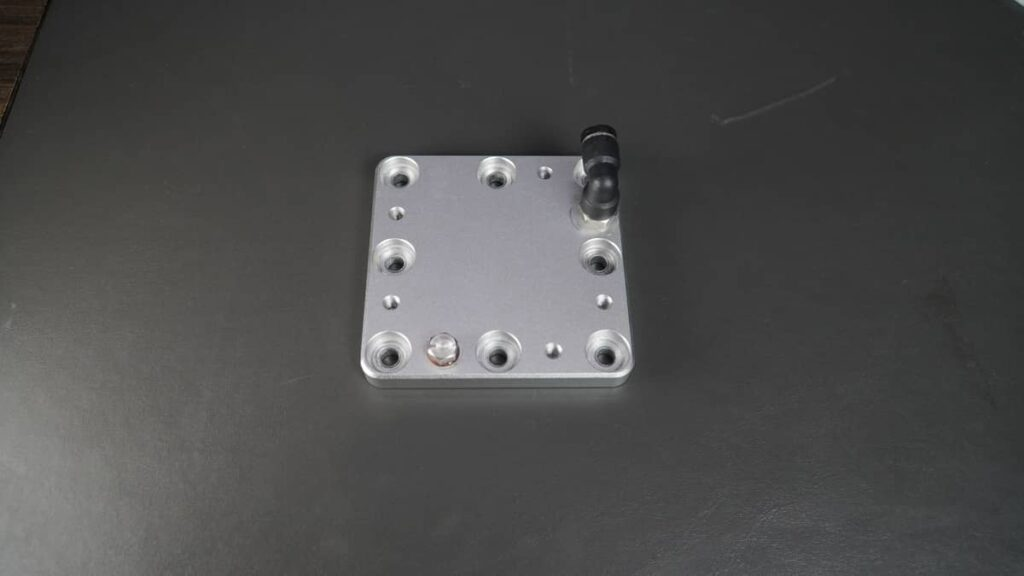
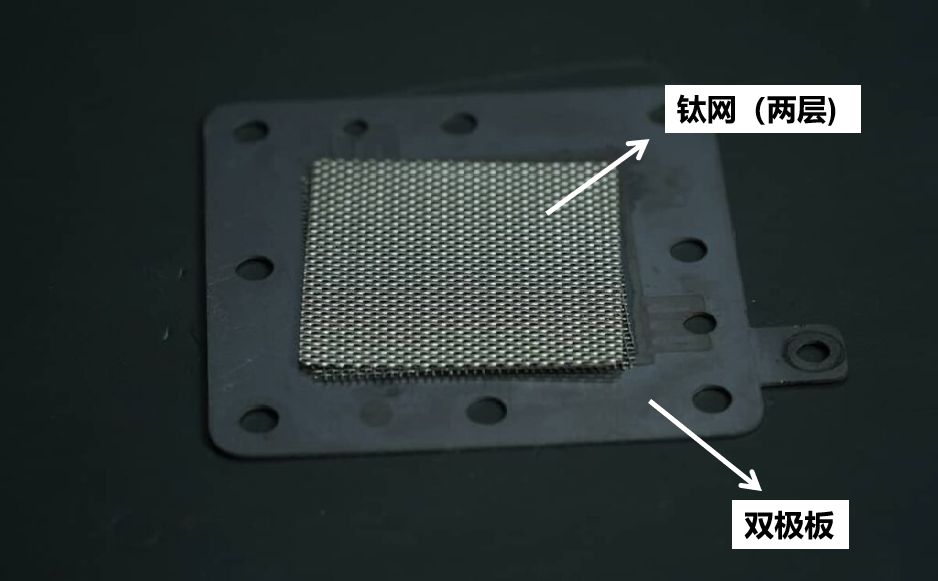
Bolt, compression plate, insulation layer, bipolar plate, insulating rubber ring, titanium mesh (2 layers), titanium felt, membrane electrode, titanium felt, titanium mesh (2 layers), insulating rubber ring, electrode plate, insulation layer, compression plate

1
Compression plate
The pressure plate is made of aluminum alloy and is used to fix the entire electrolytic cell.
2
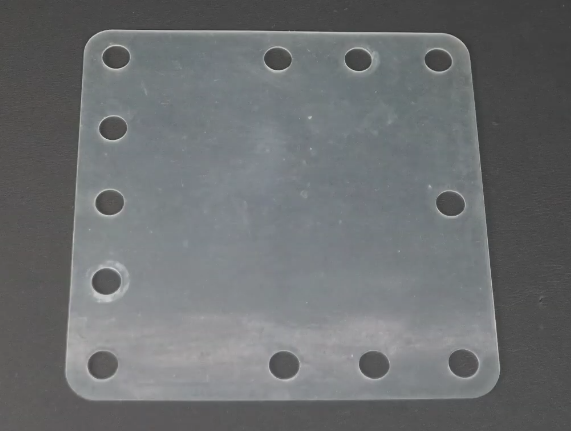
Insulating rubber ring
Next under the pressure plate is the insulating rubber ring, which provides insulation and sealing properties.
3
Bipolar plate (BPP)
Bipolar plates (BPPs) are flat separators (with metal mesh or mesh laminates or thick metal separators with etched flow field channels) used to match supply voltage by stacking multiple electrolytic cell units in series. Adjacent units are separated and electrically connected. It needs to have low electrical resistance and high mechanical and chemical stability, fluid distribution and high thermal conductivity as it also helps facilitate heat transfer.
Titanium is often considered a state-of-the-art material due to its excellent strength, low resistivity, high thermal conductivity, and low hydrogen permeability. However, titanium is prone to corrosion, especially on the anode side, where potentials can exceed 2V, leading to surface oxide accumulation that increases contact resistance and reduces thermal conductivity. To avoid this, a thin coating of platinum can be applied to reduce surface resistance.
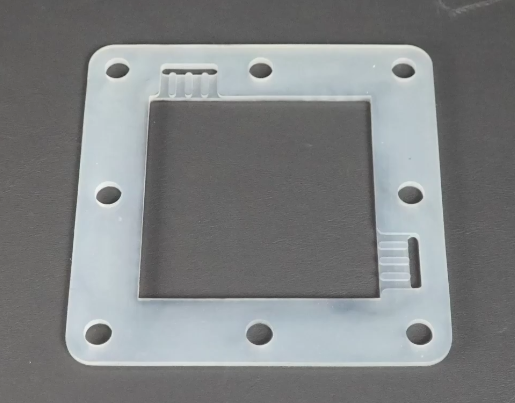
4
Silicone ring
This is a silicone ring that provides sealing and fluid transfer properties.
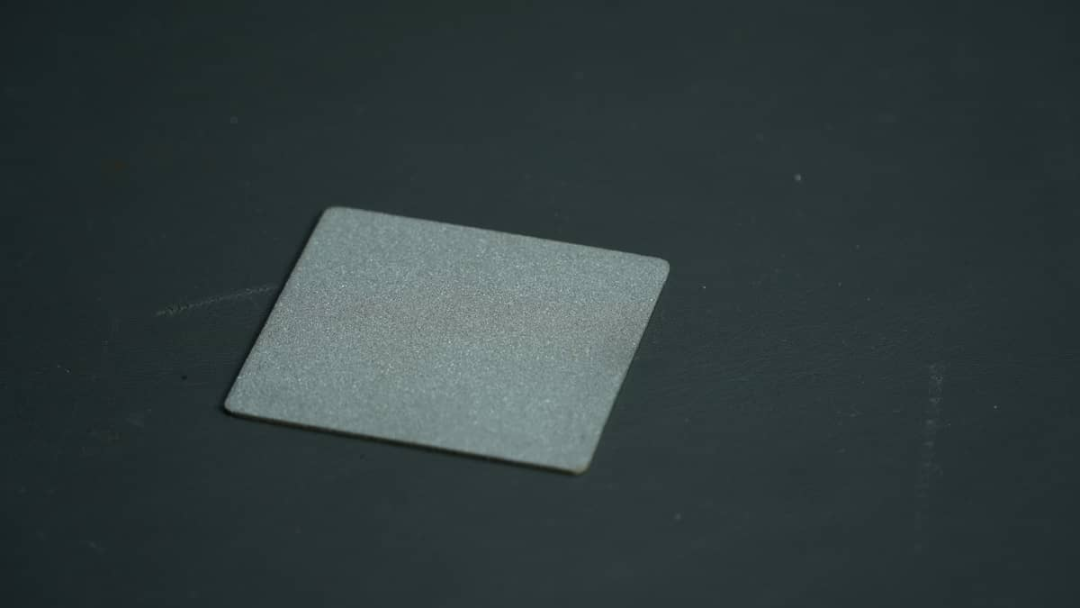
5
Gas Diffusion Layer (GDL)
The gas diffusion layer, or current collector GDL or PTL, serves as the electronic conductor between MEA and BPP, ensuring effective mass transfer of liquid and gas between the electrode and BPP. At the anode, liquid water is transported from the channel of the BPP through the current collector to the catalytic layer on the membrane, where the water is decomposed into oxygen and protons, and the oxygen produced here diffuses into the flow channel in the opposite direction through the current collector. At the cathode, liquid water and hydrogen are transported from the membrane to the channels of the BPP through the current collector. Electrons depart from the catalyst layer on the anode side, pass through the current collector and BPP, and then reach the cathode side. In a PEM electrolyzer, because the anode potential is high enough to oxidize the carbon material, other materials must be used. Titanium is often the anode current collector of choice.
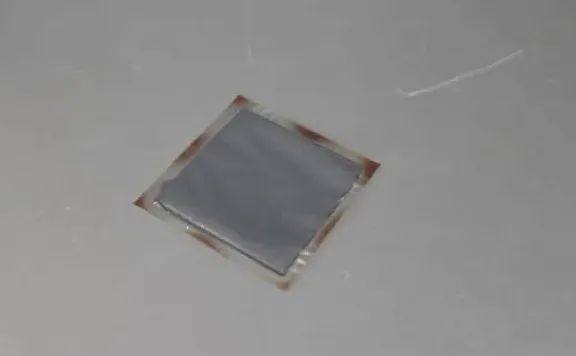
6
Membrane Electrode Assembly (MEA)
MEA is composed of a proton-conducting membrane. The anode and cathode sides of the proton-conducting membrane are coated with a porous electrocatalyst layer. It is the core component of the electrolyzer. Water is decomposed into gaseous hydrogen and oxygen under the action of electric current. At the anode, water is oxidized into oxygen and protons. The hydrated protons then migrate to the cathode. Electrons flow to the cathode through an external circuit.
At the cathode, protons gain electrons and are reduced to form hydrogen gas. Iridium oxide is generally considered the most advanced catalyst in PEM water electrolysis. Among the single transition oxides, RuO2 has the highest OER activity but is unstable under electrolyzer conditions. IrO2 is slightly less reactive than RuO2 but has the advantage of greater corrosion resistance.
Working principle of PEM electrolyzer
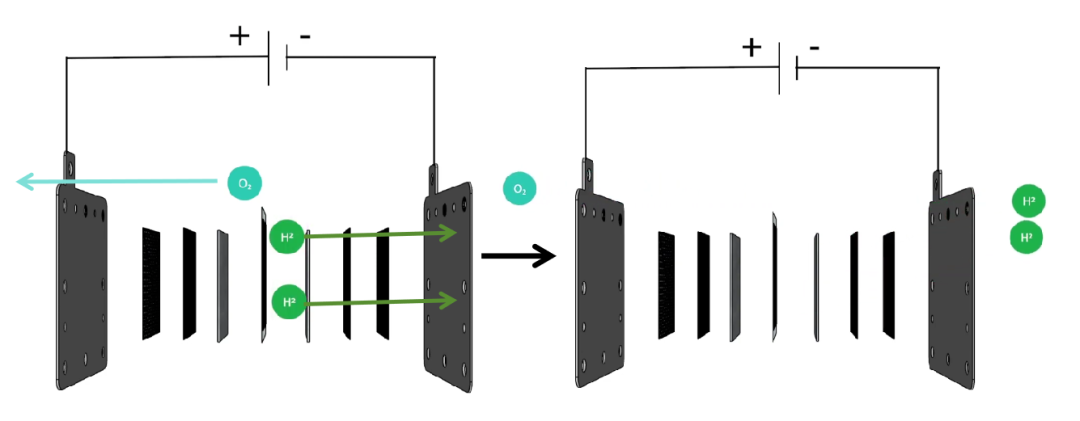
Water enters the bipolar plate from the water inlet, then enters the gas diffusion layer, and finally enters the proton exchange membrane. By inputting current and voltage and contacting the proton exchange membrane of the electrode, water is decomposed into proton H+ and two O2-. O2- loses its electron e- to form O2.
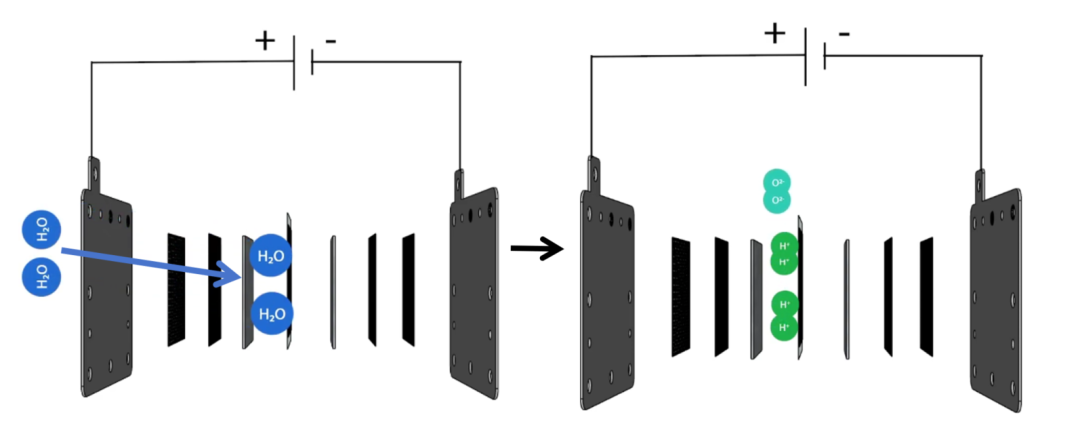
The lost electrons reach the cathode through the circuit, and H+ reaches the cathode through the proton membrane, where it combines with electrons to form H2.
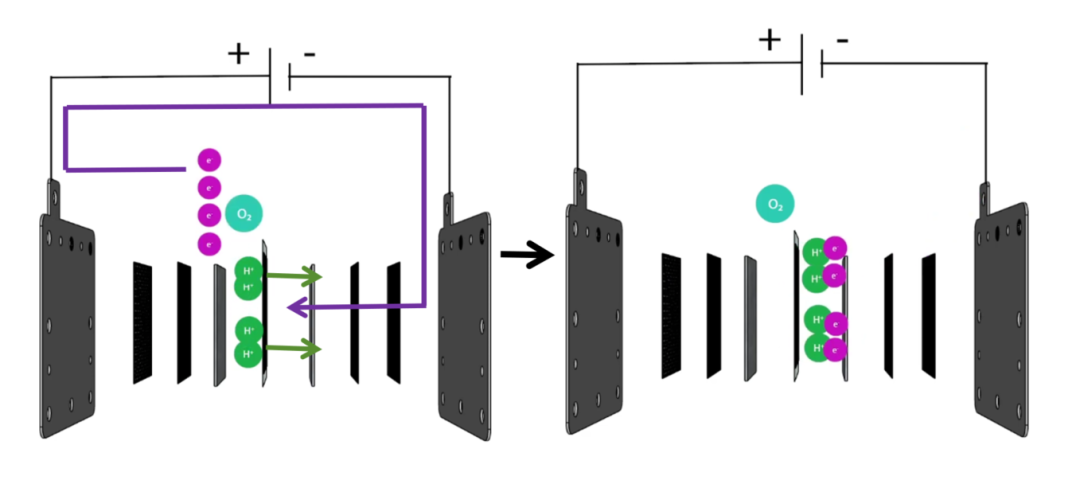
The anode produces oxygen, the cathode produces hydrogen, the oxygen produced at the anode is output through the anode tube, and the hydrogen produced at the cathode is output through the cathode tube, and then goes up to the water and gas separator to form gas.
Production Process Of The Ehisen Titanium Anode

1
SUBSTRATE PREPARATION:
The first step in our process is the careful selection of titanium substrates, which can be plates, sheets, meshes, or rods, according on the needs of the customer. This crucial stage establishes the anode's properties, guaranteeing endurance and optimum performance in a range of electrochemical applications.

2
SANDBLASTING PROCESS:
By employing sophisticated sandblasting methods, we improve the substrate's surface area and texture, removing any remaining oxidation and guaranteeing a consistent, coating-ready surface. The careful preparation yields a matte finish that improves the electrochemical performance and adherence of the coating.

3
LASER CUTTING
We shape titanium with unmatched precision using state-of-the-art laser technology, producing edges that are burr-free and maintain structural integrity and dimensional accuracy. Our anodes fulfill strict specifications and function dependably in challenging operating settings thanks to their precision.

4
WELDING:
The final structure of the titanium is formed by our expert professionals using argon arc welding and spot welding, among other welding techniques. We provide optimal structural integrity, preventing deformations or fractures, and ensuring durability in service by customizing each technique to the specifications of the substrate.

5
ACID PICKLING:
In the acid pickling step, substrates are submerged in an accurately measured solution of oxalic acid that has been heated to exact temperatures to ensure complete cleaning. A flawless substrate is left behind after this painstaking process eliminates all oxide coatings and contaminants, which is necessary for better coating adherence and performance.

6
PRECIOUS METAL SOLUTION PREPARATION:
We customize precious metal solutions to the application environment of the anode, adjusting the blend to improve performance and increase longevity. Precise alignment with application requirements is ensured by this customized method, which also guarantees optimum performance in various electrochemical environments.

7
TITANIUM ELECTRODE COATING PROCESS:
With several passes, we apply valuable metals like ruthenium-iridium with precision, guaranteeing a consistent coating thickness of 8–10 μm. By improving electrocatalytic characteristics precisely, this coating guarantees uniform performance throughout the whole anode surface.

8
SINTERING AND ANNEALING:
Annealing is a methodical process that reduces hardness, relieves internal tensions, and refines grain structure after sintering in our specially constructed furnace. By improving binding strength and material endurance, this method guarantees that our anodes will fulfill the most stringent performance standards in the most demanding applications.

9
QUALITY TESTING (LIFE ENHANCEMENT TEST):
Strict industry standards are followed during the extensive testing that every anode goes through to verify performance and durability. We guarantee long-term operating stability and reliability through thorough examination, ensuring that our anodes perform above expectations in a variety of electrochemical settings.

10
PACKAGING:
Our anodes undergo rigorous quality control testing before being carefully packaged to preserve integrity during transit. Because of the careful packaging, our clients can be confident in our products and have peace of mind knowing that they will arrive in perfect shape, ready for deployment.
About Us
20+
Senior technical engineer
500+
Global customers
2000+
Factory land occupation
10+
Utility model patent
Honor and qualification
Official certification, professional after sales service.


Company Partner


Processing Equipment

Melting Equipment

Forging Equipment

Pickling Production Line

Plate Rolling Equipment

Stamping Equipment

Surface Treatment Equipment

Machining Center

Chemistry Lab
Detection Process

Dimensional Test

Grain Size Test

Plate Tensile Test

Flaw Detection

Three-coordinate Optical Measuring Machine

CMM

Anode Strengthening Life Test

Anode Composition Test
Why Choose Us

why choose us
ADVANCED EQUIPMENT
Ehisen has multiple processing equipment to quickly provide products to customers
Perfect Sales Service:
Ehisen provides you with one-stop non-ferrous metal production, processing, after-sales, and other supporting services
Quality Advantage:
Strictly control quality, guaranteed quality, and high processing precision
Price Advantage
High-cost performance, all products are produced independently
Complete Manufacturing Proficiency
Top-notch titanium items covering all grades are offered in a range of forms, such as plates, flanges, rods, bolts, and tube fittings.
Personalized Solutions For Titanium Anodes
Our unique, near-net-shape titanium fabrication services can help you achieve greater value from your titanium anodes.
Confidentiality Advantage:
After signing a confidentiality agreement, non-relevant personnel cannot enter the workshop at will, making proofing more secure.
Economical Production Solutions
Discover specialized, affordable manufacturing options for an extensive array of titanium items. Our LOW MOQ ensures excellent quality at an affordable price.
As one of the leading electrolytic hydrogen production manufacturers and suppliers in China, we warmly welcome you to buy or wholesale bulk high purity electrolytic hydrogen production at competitive price from our factory. Contact us for quotation and free sample.
Platinum Coated Titanium Mesh, Platinum Plated Titanium Felt, platinum plated nickel foam