


Products Description
Platinum-coated titanium electrodes are an electrode commonly used in a variety of applications, including cathodic protection, hydrogen evolution processes, and electroplating. Titanium is a popular metal due to its high value and rarity, and it is also used in the manufacture of jewelry and various types of industrial machinery.
Platinum-coated titanium electrodes are made from a titanium mesh or titanium plate substrate and are coated with a 2-5 micron platinum coating. This plating is necessary for optimal electrochemical performance and durability, making it ideal for many applications.
Platinum-coated titanium electrodes are extremely durable, resistant to corrosion, high temperatures, and offer excellent stability. They are versatile and offer several advantages over lead anodes, including:
The electrochemical performance is comparable to gold and pure platinum anodes, but at a lower cost.
The overpotential of the oxygen evolution reaction is high, and the overpotential of the hydrogen evolution reaction is low.
After electrode failure, the substrate can be reused.
High current density and production capacity.
Uniform conductivity levels, making it ideal for DSA insoluble anodes.
Ehisen offers high-quality platinum-coated titanium electrodes designed specifically to meet customer needs. Our electrodes are made from only the highest quality materials and advanced manufacturing techniques to ensure superior performance and durability. You can contact us anytime to learn more about our platinum-coated titanium electrodes and how they can benefit your specific application.
Products Description
|
Material |
Gr1, Gr2 titanium |
|
Coating Material |
platinum |
|
Temperature range |
<80℃ |
|
Apply current |
<20000A |
|
Fluoride content |
<50 mg/L |
|
Precious metal content |
≥20g/㎡ |
|
Coating thickness |
0.2-10μm |
|
PH |
1-12 |
|
Anode shape |
Mesh, rod, tube, plate, etc. |
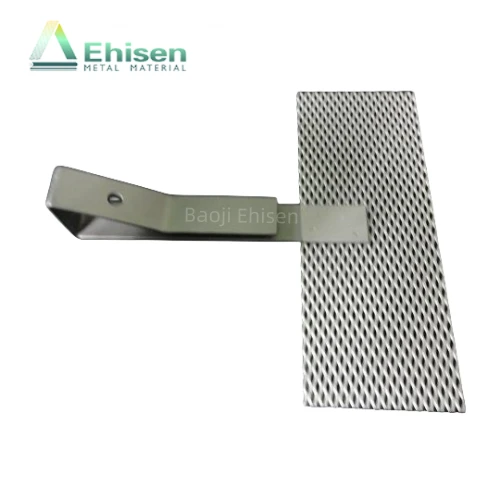
The versatility of platinum-coated titanium anodes allows customization by creating different shapes to suit a variety of applications. These anodes can be formed into strips, foils, plates, squares and rectangular sheets. They can also develop into mesh and metal.
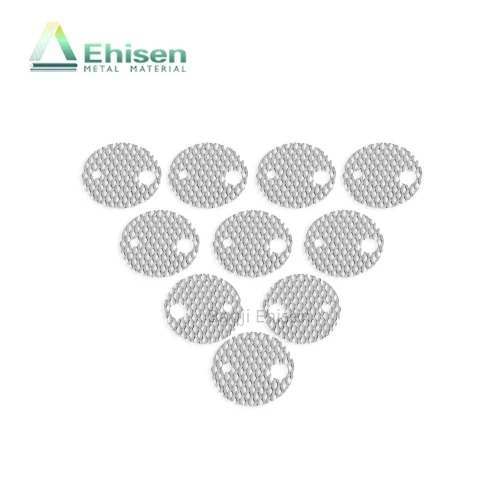
In addition, platinum-coated titanium anodes can also be made into wires, disks, rods, pipes, corrugated plates, perforated plates, etc. Various shapes provide flexibility of use and allow for optimal performance in a variety of electrochemical processes.
Ehisen offers custom platinum-coated titanium anodes in a variety of shapes and sizes to meet customers' unique needs. Our team of experienced professionals uses advanced manufacturing techniques to engineer the shape and size of platinum-coated titanium anodes to provide optimal performance and durability in your specific application.
Picture Detail Display


Application Field
Electrolyzed functional water
Platinum-coated titanium anodes are widely used in electrolytic functional water production and are becoming increasingly popular due to their numerous health benefits. Depending on the specific application, the anode is used for electrolysis to produce alkaline or acidic water. Alkaline electrolyzed functional water is used for drinking, cooking and cleaning, while acidic water is used for disinfection and surface disinfection. Platinum-coated titanium anodes are ideal for this application due to their excellent corrosion and high temperature resistance, as well as their uniform conductivity levels.

Hydrogen generator
Platinum-coated titanium anodes are also commonly used in hydrogen generators to produce high-purity hydrogen. In this application, the anode is used to electrolyze water to produce hydrogen and oxygen.
Platinum-coated titanium anodes are well suited for this application because of their excellent corrosion and high temperature resistance, as well as high overpotential for the oxygen evolution reaction and low overpotential for the hydrogen evolution reaction.

|
plating
Platinum-coated titanium anodes play a vital role in electroplating, providing a durable and efficient electrode for metal deposition onto the substrate surface. Anodes are typically made from titanium substrates coated with platinum or other precious metals to ensure optimal electrochemical performance and service life. During electroplating, an electric current is passed through a platinum-coated titanium anode, causing metal ions to dissolve into the electrolyte solution and deposit onto the surface of the substrate. Platinum-coated titanium anodes serve as conductive media and are essential to control the deposition rate and ensure uniform coating thickness. Platinum-coated titanium anodes offer several advantages over other anode types, including excellent corrosion resistance, high stability and durability, and uniform conductivity levels. |

cathodic protection
Cathodic protection is a technique used to protect metal structures from corrosion in harsh environments, such as ships or offshore oil and gas platforms. This is accomplished by applying direct current to the structure via a sacrificial anode or an impressed current anode.
Platinum-coated titanium anodes are commonly used as impressed current anodes in cathodic protection systems due to their excellent corrosion resistance and high temperature resistance. These anodes are made from a titanium base material and are coated with platinum to ensure optimal electrochemical performance and longevity.
When electric current is applied to a platinum-coated titanium anode, electrons flow from the anode to the protected structure, creating a cathodic reaction on the metal surface. This cathodic reaction neutralizes the corrosive forces that cause oxidation, thereby preventing metal corrosion.
Platinum-coated titanium anodes are well suited for cathodic protection due to their high stability and durability, as well as their uniform conductivity levels. Ehisen specializes in manufacturing high-quality platinum-coated titanium anodes designed to meet the specific needs of customers in the cathodic protection industry.

When choosing a platinum-coated titanium electrode, it is important to consider a variety of factors to ensure you get the best product for your needs:
Composition of the solution used: The composition of the electrolyte solution is an important factor to consider. The chemistry of the solution affects the performance of the electrode, such as corrosion resistance and conductivity.
Current density required for the application: Current density refers to the current per unit area of the electrode surface. This factor plays a vital role in the electroplating process, and a mismatch in current density can lead to uneven plating or electrode damage.
Solution Temperature: The temperature of the solution affects the reaction rate and the durability of the electrode. High temperatures can lead to accelerated corrosion and even electrode failure, while low temperatures can lead to inefficient plating.
The environment in which the electrode is used: The environment in which the electrode is used is also an important factor to consider. The presence of contaminants or other substances can affect the performance and service life of the electrode.
Intended use of product: Different applications require different electrode properties. For example, some applications require higher levels of conductivity, while others require greater durability or resistance to certain chemicals.
Solution pH: The pH of the solution affects the performance of the electrode. A pH value that is too high or too low can cause accelerated corrosion or damage to the electrode.
Expected service life of electrodes: The service life of electrodes is an important factor to consider, especially when it comes to long-term projects. Higher quality electrodes are likely to have a longer life, ultimately saving you time and money.
Budget and Pricing Considerations: Finally, there are budget and pricing considerations to keep in mind. The price of different platinum-coated titanium electrodes may vary, and the cost-benefit ratio must be considered.

FAQ
Q: What is a platinum-coated titanium anode?
Q: What electrochemical applications are platinum-coated titanium anodes suitable for?
Q: How do platinum-coated titanium anodes compare to other types of anodes?
Q: How to prepare platinum-coated titanium anode?
Q: What are the care and maintenance methods for platinum-coated titanium anodes?
Packing Delivery


After we ship the order, the tracking number will be sent to you via email, and we will also track the order until you receive it successfully.
Contact US
Shaanxi Ehisen Technology Co., Ltd.
No. 28, Gaoya Industrial Park, Gaoxin District, Baoji City, Shaanxi Province
Tel :
+86 15619363855 Edward Wu
+86 18700703333 Elsa lin
+86 15291791403 Eve
+86 18896992206 Leo Liu
FAX : 0917-3381186
Email :
edwardwu@ehisen-anode.com
admin@ehisen-anode.com

Hot Tags: platinum coated titanium electrode, China platinum coated titanium electrode manufacturers, suppliers, factory, platinum plated nickel foam, Platinum Plated Titanium Felt, Platinum Coated Titanium Mesh