

Hey there! As a supplier of tungsten processed products, I've got a ton of experience in getting these high - quality items safely from our facility to your hands. Today, I'm gonna share with you the different packaging methods we use for tungsten processed products.
First off, let's talk about why proper packaging is such a big deal. Tungsten is a super - strong and dense metal, but it's also quite brittle. During transportation, it can be easily damaged by impacts, vibrations, and environmental factors like moisture and oxidation. So, we've come up with several packaging solutions to ensure that our products arrive in perfect condition.
1. Protective Film Wrapping
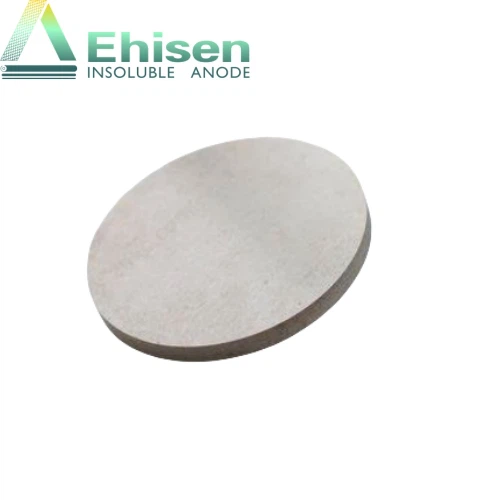
For smaller tungsten processed products like Tungsten Target Material, we often start with a protective film wrapping. This thin plastic film acts as a barrier between the product and the outside environment. It prevents scratches, dust accumulation, and minor impacts.
We carefully apply the film to the surface of the tungsten target material, making sure it adheres smoothly without any air bubbles. This simple step can significantly reduce the risk of surface damage during handling and shipping. After wrapping, we can also label the product with important information such as its size, purity, and batch number directly on the film.
2. Foam Insertion
When it comes to more delicate tungsten items, like Pure Tungsten Crucible, foam insertion is our go - to method. Crucibles are used in high - temperature applications, and any crack or damage can render them useless.
We place the pure tungsten crucible in a custom - made foam insert. The foam is cut precisely to fit the shape of the crucible, providing a snug and cushioned environment. This foam absorbs shocks and vibrations during transit, protecting the crucible from impacts that could cause it to break. The foam also helps to keep the crucible in place, preventing it from moving around inside the packaging.
3. Cardboard Boxes
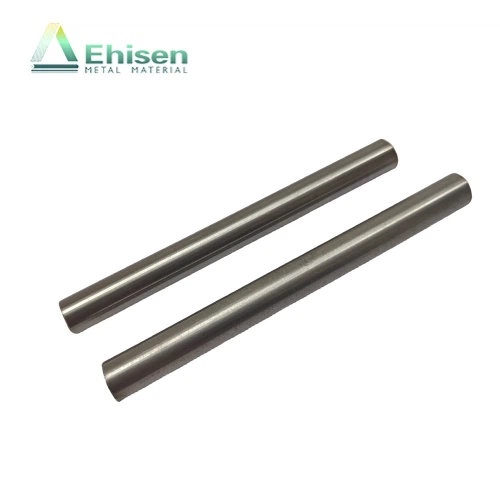
Cardboard boxes are a staple in our packaging process. They're versatile, cost - effective, and easy to customize. For tungsten bars, like Tungsten Bar, we use cardboard boxes that are specifically designed to hold the bars securely.
We line the inside of the cardboard box with a layer of shock - absorbing material, such as bubble wrap or corrugated cardboard. Then, we place the tungsten bars in the box, making sure they're properly spaced to avoid contact with each other. We may also use dividers to separate the bars and provide additional support. Once the bars are in place, we seal the box with strong tape and label it with handling instructions and shipping details.
4. Wooden Crates
For larger and heavier tungsten processed products, wooden crates are the best option. These crates are extremely durable and can withstand rough handling during transportation. They provide excellent protection against impacts, moisture, and even some degree of fire.
Before placing the product in the wooden crate, we first wrap it in a moisture - resistant material, like plastic sheeting. Then, we secure the product inside the crate using straps or brackets to prevent it from shifting. We also fill any empty spaces in the crate with packing materials, such as sawdust or expanded polystyrene, to further cushion the product.
5. Vacuum Packaging
Vacuum packaging is a great way to protect tungsten products from oxidation. Oxidation can cause the surface of the tungsten to change color and reduce its performance. By removing the air from the packaging, we can significantly slow down the oxidation process.
We use a vacuum sealer to create an airtight environment around the tungsten product. This method is often used in combination with other packaging techniques, such as protective film wrapping or foam insertion. Vacuum - packed tungsten products can be stored for longer periods without losing their quality.
6. Desiccant Packets
Moisture is one of the biggest enemies of tungsten processed products. It can cause rust and corrosion, which can damage the product over time. To combat this, we include desiccant packets in our packaging.
Desiccant packets are small bags filled with materials that absorb moisture, such as silica gel. We place these packets inside the packaging, near the tungsten product. They help to keep the environment inside the packaging dry, reducing the risk of moisture - related damage.
7. Labeling and Documentation
Proper labeling and documentation are just as important as the physical packaging. We label each package with clear and detailed information, including the product name, size, quantity, and any special handling instructions. This helps the shipping company and the end - user to handle the product correctly.
We also include documentation, such as a certificate of quality and a packing list, inside the package. The certificate of quality verifies that the product meets our high - quality standards, while the packing list provides a detailed inventory of the contents of the package.
In conclusion, the packaging of tungsten processed products is a crucial step in ensuring their quality and performance. We use a combination of these packaging methods to provide the best protection for our products during transportation and storage. Whether you're looking for Tungsten Target Material, Pure Tungsten Crucible, or Tungsten Bar, you can rest assured that we've got you covered.
If you're interested in purchasing our tungsten processed products, don't hesitate to reach out to us for a quote and to discuss your specific requirements. We're always here to help you find the best solutions for your needs.
References:
- General knowledge of tungsten properties and packaging industry standards.
- Internal company records on packaging methods and product protection.