

Deploying the Stack Metal Support Module on a private cloud is a technical process that demands careful planning, attention to detail, and in - depth knowledge of both the module and the private cloud environment. As a Stack Metal Support Module supplier, I am here to guide you through the entire deployment process.
Understanding the Stack Metal Support Module
Before we dive into the deployment process, it's essential to understand what the Stack Metal Support Module is and its significance in a solid oxide fuel cell (SOFC) system. The Stack Metal Support Module comprises various components, each playing a crucial role in the overall performance and stability of the fuel cell stack.
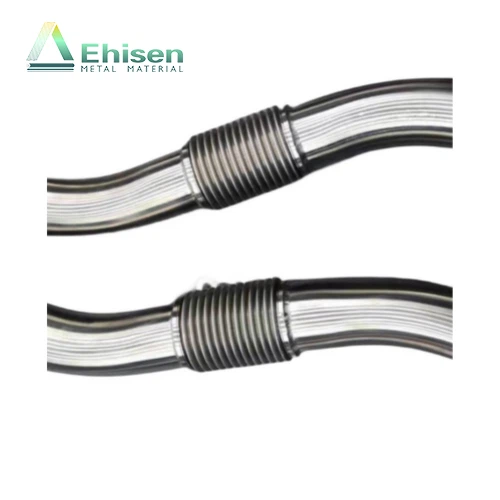
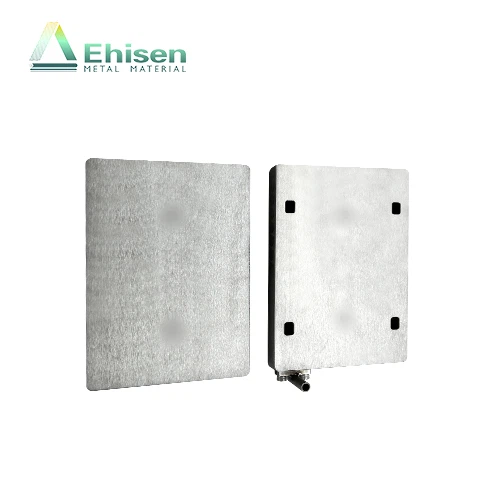
Some of the key components include the High Temperature Resistant Metal Elbow, Separator for SOFC Stack, and Inconel 625 Transition Ring for Bellows Connection. These components are designed to withstand high - temperature environments, resist corrosion, and ensure efficient electrical and gas flow within the fuel cell stack.
Prerequisites for Deployment
Cloud Infrastructure
The first step in deploying the Stack Metal Support Module on a private cloud is to ensure that your private cloud infrastructure meets the necessary requirements. The cloud should have sufficient computing power, storage capacity, and network bandwidth to handle the data processing and storage needs associated with the module. You'll also need to have a reliable and secure cloud management system in place to oversee the deployment and ongoing operations.
Technical Expertise
Deploying the module requires a certain level of technical expertise. Your team should have knowledge of cloud computing, fuel cell technology, and system integration. This may involve hiring or training professionals who are proficient in these areas.
Regulatory Compliance
Make sure that your private cloud and the deployment of the Stack Metal Support Module comply with all relevant industry regulations and standards. This includes environmental regulations, safety standards, and data protection laws.
Deployment Steps
Step 1: Planning and Assessment
- Requirement Gathering: Engage with your end - users, operators, and maintenance teams to understand their specific requirements for the Stack Metal Support Module. This could involve requirements related to performance, scalability, and monitoring.
- Infrastructure Assessment: Evaluate your existing private cloud infrastructure. Check the availability of resources such as servers, storage systems, and networking equipment. Identify any potential bottlenecks or limitations that may affect the deployment.
- Risk Assessment: Conduct a risk assessment to identify potential risks associated with the deployment, such as security threats, system failures, and compatibility issues. Develop a mitigation plan for each identified risk.
Step 2: Module Installation
- Component Selection: Based on your system requirements, select the appropriate components of the Stack Metal Support Module, such as the high - temperature resistant metal elbow, separator for the SOFC stack, and Inconel 625 transition ring for bellows connection.
- Hardware Installation: Physically install the selected components within your private cloud data center. Ensure that the components are installed in accordance with the manufacturer's guidelines and best practices. This may involve proper mounting, wiring, and connection of the hardware.
- Software Installation: Install the necessary software associated with the Stack Metal Support Module. This could include monitoring software, control software, and data management software. Configure the software to communicate with the hardware components and the private cloud infrastructure.
Step 3: Configuration and Integration
- System Configuration: Configure the Stack Metal Support Module to meet your specific operating requirements. This may involve setting up parameters such as temperature limits, gas flow rates, and electrical output.
- Cloud Integration: Integrate the Stack Metal Support Module with your private cloud environment. This involves establishing communication channels between the module and the cloud management system. Ensure that data can be exchanged seamlessly between the module and the cloud for monitoring, control, and analytics purposes.
- Testing and Validation: Conduct thorough testing of the deployed Stack Metal Support Module. Test all the functionalities of the module, including its performance under different operating conditions. Validate the integration with the private cloud by verifying data transfer and system response.
Step 4: Monitoring and Maintenance
- Performance Monitoring: Set up a comprehensive monitoring system to track the performance of the Stack Metal Support Module. Monitor key performance indicators such as temperature, pressure, and electrical efficiency. Use the monitoring data to identify any potential issues or areas for improvement.
- Maintenance Schedule: Develop a regular maintenance schedule for the Stack Metal Support Module. This should include tasks such as component inspection, cleaning, and replacement. Follow the manufacturer's recommended maintenance procedures to ensure the long - term reliability and performance of the module.
- Upgrades and Optimization: Stay up - to - date with the latest advancements in Stack Metal Support Module technology. Consider upgrading the module as new components or software versions become available to improve performance and efficiency.
Benefits of Deploying on a Private Cloud
- Data Security: A private cloud provides enhanced data security compared to a public cloud. You have full control over your data and can implement strict security measures to protect it from unauthorized access.
- Customization: Private clouds offer greater flexibility and customization options. You can tailor the cloud environment to meet the specific needs of the Stack Metal Support Module, ensuring optimal performance.
- Scalability: As your business grows and the demand for the Stack Metal Support Module increases, you can easily scale up your private cloud infrastructure to accommodate the additional workload.
Conclusion
Deploying the Stack Metal Support Module on a private cloud is a complex but rewarding process. By following the steps outlined in this guide and leveraging the expertise of your team, you can ensure a successful deployment that meets your business needs. The right combination of components, proper configuration, and effective monitoring and maintenance will lead to a reliable and efficient fuel cell system.
If you are interested in purchasing the Stack Metal Support Module or need further assistance with the deployment process, please feel free to reach out to our sales team for a detailed discussion and procurement negotiation.
References
- Industry standards and guidelines for solid oxide fuel cell systems
- Manufacturer's documentation for Stack Metal Support Module components
- Best practices for cloud computing deployment and management