

Hey there! As a supplier of separators for SOFC stacks, I've been getting a lot of questions lately about how these separators perform in different gas compositions. So, I thought I'd dive into this topic and share some insights.
Let's start by understanding what an SOFC stack is. Solid Oxide Fuel Cells (SOFCs) are a type of fuel cell that operate at high temperatures, typically between 600°C and 1000°C. They convert chemical energy from a fuel into electricity through an electrochemical reaction. The stack is made up of multiple individual fuel cells, and the separator plays a crucial role in its operation.
The separator in an SOFC stack has several important functions. It separates the anode and cathode gases, prevents gas leakage between cells, and provides electrical conductivity between adjacent cells. But how does it perform when exposed to different gas compositions?
Performance in Hydrogen-Rich Gases
Hydrogen is one of the most common fuels used in SOFCs. When the separator is exposed to a hydrogen-rich gas, it needs to be able to withstand the reducing environment. Hydrogen can cause some materials to become brittle over time, so the separator material needs to be carefully selected.
Our separators are designed to handle hydrogen-rich gases effectively. They are made from high-quality materials that have excellent resistance to hydrogen embrittlement. This means that they can maintain their structural integrity and performance even when exposed to high concentrations of hydrogen for extended periods.
Performance in Carbon Monoxide and Methane
In addition to hydrogen, SOFCs can also use carbon monoxide and methane as fuels. These gases can be more challenging to work with because they can cause carbon deposition on the separator surface. Carbon deposition can reduce the efficiency of the fuel cell and even lead to cell failure.

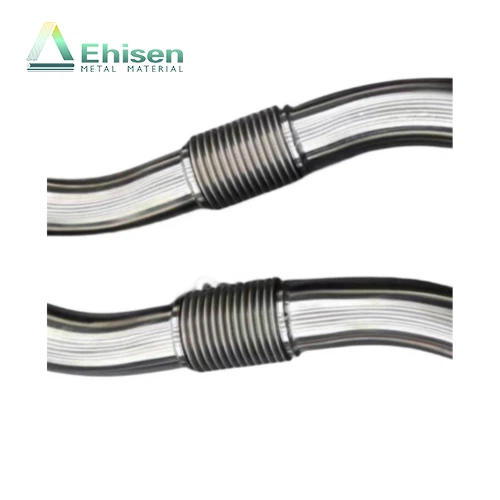
Our separators are engineered to minimize carbon deposition. They have a special surface treatment that helps to prevent the formation of carbon layers. This ensures that the separator can continue to function properly even in the presence of carbon monoxide and methane.
Performance in Oxidizing Gases
On the cathode side of the SOFC stack, the separator is exposed to an oxidizing gas, typically air. The separator needs to be able to resist oxidation and maintain its electrical conductivity in this environment.
Our separators are made from materials that have excellent oxidation resistance. They are coated with a protective layer that helps to prevent oxidation and corrosion. This ensures that the separator can operate reliably in the oxidizing environment of the cathode.
Impact of Gas Impurities
In real-world applications, the gases used in SOFCs often contain impurities. These impurities can have a significant impact on the performance of the separator. For example, sulfur compounds can poison the catalyst in the fuel cell and reduce its efficiency.
Our separators are designed to be tolerant of gas impurities. They have a high resistance to sulfur poisoning and other types of contamination. This means that they can continue to perform well even when the gas contains impurities.
Importance of Separator Design
The design of the separator also plays a crucial role in its performance. A well-designed separator can improve the efficiency and reliability of the SOFC stack.
Our separators are designed with a focus on maximizing gas flow and minimizing resistance. They have a unique channel design that allows for efficient gas distribution and electrical conduction. This helps to improve the overall performance of the fuel cell.
Related Products
If you're interested in other components for your SOFC stack, we also offer a range of high-quality products. Check out our Titanium-based Metal Bipolar Plate, No Flaring Metal Bellows, and High Temperature Resistant Metal Elbow. These products are designed to work seamlessly with our separators to provide a complete solution for your SOFC stack.
Conclusion
In conclusion, the performance of the separator in an SOFC stack is highly dependent on the gas composition. Our separators are designed to perform well in a variety of gas environments, including hydrogen-rich gases, carbon monoxide, methane, and oxidizing gases. They are also tolerant of gas impurities and have a well-designed structure that maximizes performance.
If you're in the market for a high-quality separator for your SOFC stack, we'd love to hear from you. Contact us today to discuss your requirements and learn more about our products. We're confident that we can provide you with the best solution for your needs.
References
- [1] Some relevant research paper on SOFC separator performance
- [2] Another important study on gas composition effects in SOFCs