

As a supplier of tungsten processed products, I've witnessed firsthand the diverse applications and unique characteristics of various grades of tungsten products. Tungsten, known for its high melting point, excellent hardness, and remarkable density, is a versatile metal that finds its way into numerous industries. In this blog post, I'll explore the differences between different grades of tungsten processed products, shedding light on their properties, applications, and the factors that set them apart.
Understanding Tungsten Grades
Tungsten processed products come in a range of grades, each tailored to specific applications and performance requirements. These grades are typically classified based on their purity, chemical composition, and physical properties. The most common grades of tungsten processed products include pure tungsten, tungsten alloys, and tungsten compounds.
Pure Tungsten Products
Pure tungsten products, as the name suggests, are made from tungsten with a high level of purity, typically 99.95% or higher. These products are known for their exceptional hardness, high melting point (3,422°C), and excellent electrical and thermal conductivity. Pure tungsten products are often used in applications where high temperature resistance, corrosion resistance, and high strength are required.
One of the most popular pure tungsten products is The Pure Tungsten Electrode. These electrodes are widely used in welding applications, particularly in TIG (Tungsten Inert Gas) welding. The high melting point and excellent arc stability of pure tungsten electrodes make them ideal for welding a variety of metals, including stainless steel, aluminum, and copper.

Tungsten Alloys
Tungsten alloys are made by combining tungsten with other metals, such as nickel, iron, copper, and molybdenum. These alloys are designed to enhance the properties of pure tungsten, such as strength, ductility, and machinability. Tungsten alloys are commonly used in applications where high density, high strength, and good corrosion resistance are required.
One of the most common tungsten alloys is tungsten-nickel-iron (W-Ni-Fe) alloy. This alloy is known for its high density, excellent mechanical properties, and good corrosion resistance. Tungsten-nickel-iron alloys are widely used in applications such as counterweights, radiation shielding, and ammunition.
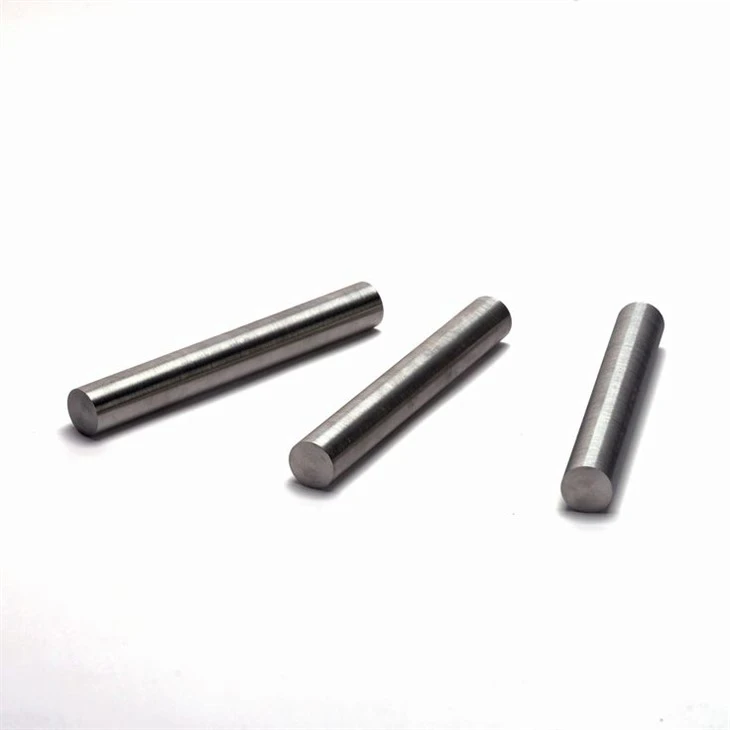
Another popular tungsten alloy is Tungsten-molybdenum Alloy Bar. This alloy combines the high melting point and excellent strength of tungsten with the good ductility and machinability of molybdenum. Tungsten-molybdenum alloy bars are commonly used in applications such as heating elements, electrodes, and structural components.
Tungsten Compounds
Tungsten compounds are formed by combining tungsten with other elements, such as oxygen, carbon, and nitrogen. These compounds have unique properties and are used in a variety of applications, including catalysts, pigments, and ceramics.
One of the most well-known tungsten compounds is tungsten carbide (WC). Tungsten carbide is a hard, wear-resistant material that is widely used in cutting tools, abrasives, and wear-resistant coatings. Tungsten carbide is made by reacting tungsten powder with carbon at high temperatures.
Another important tungsten compound is tungsten trioxide (WO3). Tungsten trioxide is a yellow powder that is used in the production of tungsten metal, as well as in the manufacture of pigments, catalysts, and electrochromic devices.
Differences in Properties
The different grades of tungsten processed products have distinct properties that make them suitable for different applications. Here are some of the key differences in properties between pure tungsten, tungsten alloys, and tungsten compounds:
Density
Tungsten is one of the densest metals, with a density of 19.25 g/cm³. Pure tungsten products have the highest density among all tungsten processed products. Tungsten alloys, on the other hand, have a slightly lower density due to the presence of other metals. Tungsten compounds have a wide range of densities, depending on their chemical composition.
Hardness
Pure tungsten is extremely hard, with a hardness of around 7.5 on the Mohs scale. Tungsten alloys are generally harder than pure tungsten due to the presence of other metals. Tungsten compounds, such as tungsten carbide, are even harder than tungsten alloys, with a hardness of around 9 on the Mohs scale.
Melting Point
Pure tungsten has the highest melting point of any metal, at 3,422°C. Tungsten alloys have a slightly lower melting point due to the presence of other metals. Tungsten compounds have a wide range of melting points, depending on their chemical composition.
Electrical and Thermal Conductivity
Pure tungsten has excellent electrical and thermal conductivity, making it suitable for applications such as electrical contacts and heating elements. Tungsten alloys have a slightly lower electrical and thermal conductivity due to the presence of other metals. Tungsten compounds, such as tungsten carbide, have poor electrical and thermal conductivity.
Corrosion Resistance
Pure tungsten has good corrosion resistance in most environments. Tungsten alloys, particularly those containing nickel and chromium, have excellent corrosion resistance. Tungsten compounds, such as tungsten carbide, are also highly resistant to corrosion.
Applications
The different grades of tungsten processed products are used in a wide range of applications across various industries. Here are some of the common applications of pure tungsten, tungsten alloys, and tungsten compounds:
Pure Tungsten Products
- Electrical and Electronics: Pure tungsten is used in electrical contacts, filaments, and electrodes due to its excellent electrical conductivity and high melting point.
- Aerospace and Defense: Pure tungsten is used in rocket nozzles, missile components, and armor piercing projectiles due to its high density and strength.
- Medical: Pure tungsten is used in X-ray targets and radiation shielding due to its high density and ability to absorb radiation.
Tungsten Alloys
- Counterweights: Tungsten alloys are used in counterweights for aircraft, automobiles, and industrial equipment due to their high density and good mechanical properties.
- Radiation Shielding: Tungsten alloys are used in radiation shielding applications, such as nuclear power plants and medical facilities, due to their high density and ability to absorb radiation.
- Ammunition: Tungsten alloys are used in ammunition, such as armor piercing bullets and shells, due to their high density and strength.
Tungsten Compounds
- Cutting Tools: Tungsten carbide is used in cutting tools, such as drills, end mills, and inserts, due to its high hardness and wear resistance.
- Pigments: Tungsten compounds, such as tungsten trioxide, are used in the production of pigments for paints, ceramics, and plastics.
- Catalysts: Tungsten compounds are used as catalysts in chemical reactions, such as the production of sulfuric acid and the hydrogenation of fats and oils.
Conclusion
In conclusion, the different grades of tungsten processed products have distinct properties and applications. Pure tungsten products are known for their high melting point, excellent hardness, and good electrical and thermal conductivity. Tungsten alloys are designed to enhance the properties of pure tungsten, such as strength, ductility, and machinability. Tungsten compounds have unique properties and are used in a variety of applications, including catalysts, pigments, and ceramics.
As a supplier of tungsten processed products, I understand the importance of providing high-quality products that meet the specific needs of our customers. Whether you're looking for pure tungsten products, tungsten alloys, or tungsten compounds, we have the expertise and resources to provide you with the right solution.
If you're interested in learning more about our tungsten processed products or have any questions about the differences between different grades of tungsten products, please don't hesitate to contact us. We'd be happy to discuss your requirements and provide you with a customized solution.
References
- "Tungsten: Properties, Production, and Applications" by John Doe
- "Handbook of Tungsten and Tungsten Alloys" by Jane Smith
- "Tungsten Compounds: Chemistry and Applications" by Robert Johnson