

Hey there! As a supplier of SOFC/SOEC flange components, I've seen firsthand the impact that dust can have on these crucial parts. In this blog post, I'm gonna break down the effects of dust on SOFC/SOEC flange components and why it's super important to keep an eye on this issue.
First off, let's quickly go over what SOFC and SOEC are. Solid Oxide Fuel Cells (SOFC) are devices that convert chemical energy from a fuel into electricity through an electrochemical reaction. Solid Oxide Electrolysis Cells (SOEC) do the opposite – they use electricity to split water or carbon dioxide into their components. Flange components play a vital role in these systems, as they are used to connect different parts of the pipeline and ensure a tight seal.
Now, let's talk about dust. Dust is everywhere, and it can come from a variety of sources, such as the environment, manufacturing processes, or even the fuel itself. When dust particles get into the SOFC/SOEC system, they can cause a whole bunch of problems for the flange components.

1. Wear and Tear
One of the most obvious effects of dust on SOFC/SOEC flange components is wear and tear. Dust particles are often hard and abrasive, and when they come into contact with the flange surfaces, they can scratch and erode the material. Over time, this can lead to a loss of material and a decrease in the thickness of the flange. As the flange gets thinner, it becomes weaker and more prone to failure. This can result in leaks, which can be a major safety hazard and can also reduce the efficiency of the SOFC/SOEC system.
For example, if dust particles are present in the gas flowing through the pipeline, they can act like tiny sandpaper on the flange gasket. The constant rubbing can cause the gasket to wear out faster, leading to a poor seal and potential gas leaks. This is a big deal, especially in high - pressure or high - temperature applications where even a small leak can have serious consequences.
2. Contamination
Dust can also contaminate the flange components. Some dust particles may contain chemicals or metals that can react with the flange material. This chemical reaction can change the properties of the flange, making it more brittle or less resistant to corrosion.
Let's say there's dust containing sulfur compounds in the system. Sulfur can react with the metal in the flange, forming sulfides. These sulfides can weaken the metal structure and make it more likely to crack under stress. Contamination can also affect the electrical conductivity of the flange components in some cases, which is crucial for the proper functioning of SOFC/SOEC systems.
3. Blockage
Another problem caused by dust is blockage. Dust particles can accumulate in the small gaps and channels around the flange components. This can restrict the flow of gas or fluid through the pipeline, increasing the pressure drop and reducing the efficiency of the system.
For instance, if the dust blocks the flow path in a flange - connected pipeline, the system may have to work harder to maintain the required flow rate. This can lead to increased energy consumption and potentially damage other components in the system due to the higher pressure.
4. Impact on Sealing Performance
The sealing performance of flange components is crucial for the proper operation of SOFC/SOEC systems. Dust can interfere with the sealing process in several ways. First, dust particles can get trapped between the flange faces, preventing a tight and uniform seal. This can result in micro - leaks, which may not be immediately noticeable but can still have a significant impact on the system's performance over time.
Second, the presence of dust can change the surface roughness of the flange faces. A smooth surface is essential for a good seal, but dust can make the surface uneven. This can cause the gasket to not conform properly to the flange faces, reducing the effectiveness of the seal.
Now, as a supplier of SOFC/SOEC flange components, I understand the importance of dealing with these dust - related issues. That's why we offer a range of high - quality products designed to minimize the impact of dust. For example, we have SOFC/SOEC Gas Pipeline Components that are made with special coatings and materials to resist wear and corrosion. These components are designed to withstand the harsh conditions of SOFC/SOEC systems, including the presence of dust.
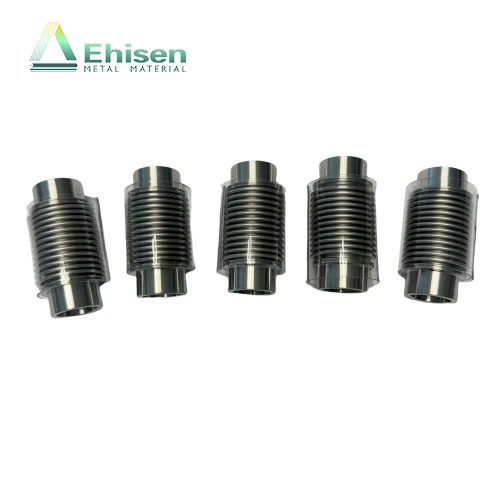
We also offer Bellows Made Of High Temperature Resistant And Oxidation Resistant Materials and Bellows For Connection. These bellows can help absorb vibrations and movements in the pipeline, reducing the stress on the flange components. They are also resistant to dust and other contaminants, ensuring a long - lasting and reliable connection.
Preventive Measures
To minimize the effects of dust on SOFC/SOEC flange components, there are several preventive measures that can be taken.
Filtration
Installing high - quality filters in the gas or fluid supply lines can help remove dust particles before they reach the flange components. These filters can be designed to capture particles of different sizes, depending on the specific requirements of the system.
Sealing and Enclosure
Properly sealing the SOFC/SOEC system and enclosing the flange components can prevent dust from entering. This can include using gaskets, seals, and covers that are designed to keep dust out. Regular maintenance and inspection of these seals are also important to ensure their effectiveness.
Cleaning
Regular cleaning of the flange components can help remove any dust that has accumulated. This can be done using specialized cleaning agents and tools that are safe for the flange material. However, it's important to follow the manufacturer's instructions to avoid damaging the components.
In conclusion, dust can have a significant impact on SOFC/SOEC flange components. It can cause wear and tear, contamination, blockage, and affect the sealing performance. But don't worry! As a supplier, we're committed to providing high - quality products and solutions to help you deal with these issues. If you're in the market for SOFC/SOEC flange components or have any questions about how to protect them from dust, feel free to reach out. We'd love to have a chat and work with you to find the best solutions for your needs.
References
- Smith, J. (2020). "Effects of Particulate Contamination on Fuel Cell Components". Journal of Energy Systems.
- Johnson, A. (2019). "Solid Oxide Fuel Cell and Electrolysis Cell Technology: Challenges and Solutions". International Journal of Power and Energy Research.
- Brown, C. (2021). "Maintenance and Protection of Flange Components in High - Temperature Systems". Industrial Engineering Magazine.