

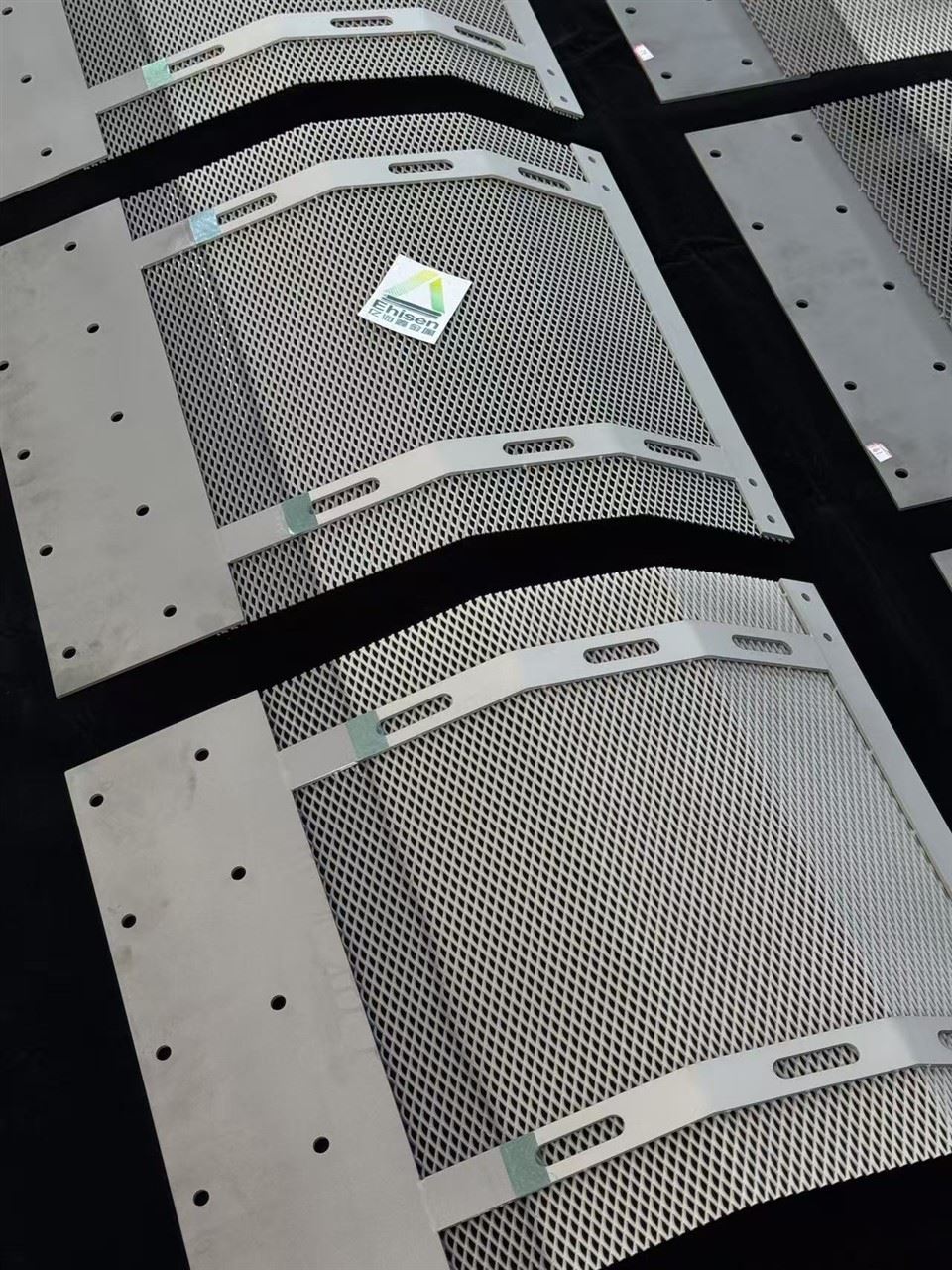
What Does the Anode Do in Gravure Cylinder Plating?
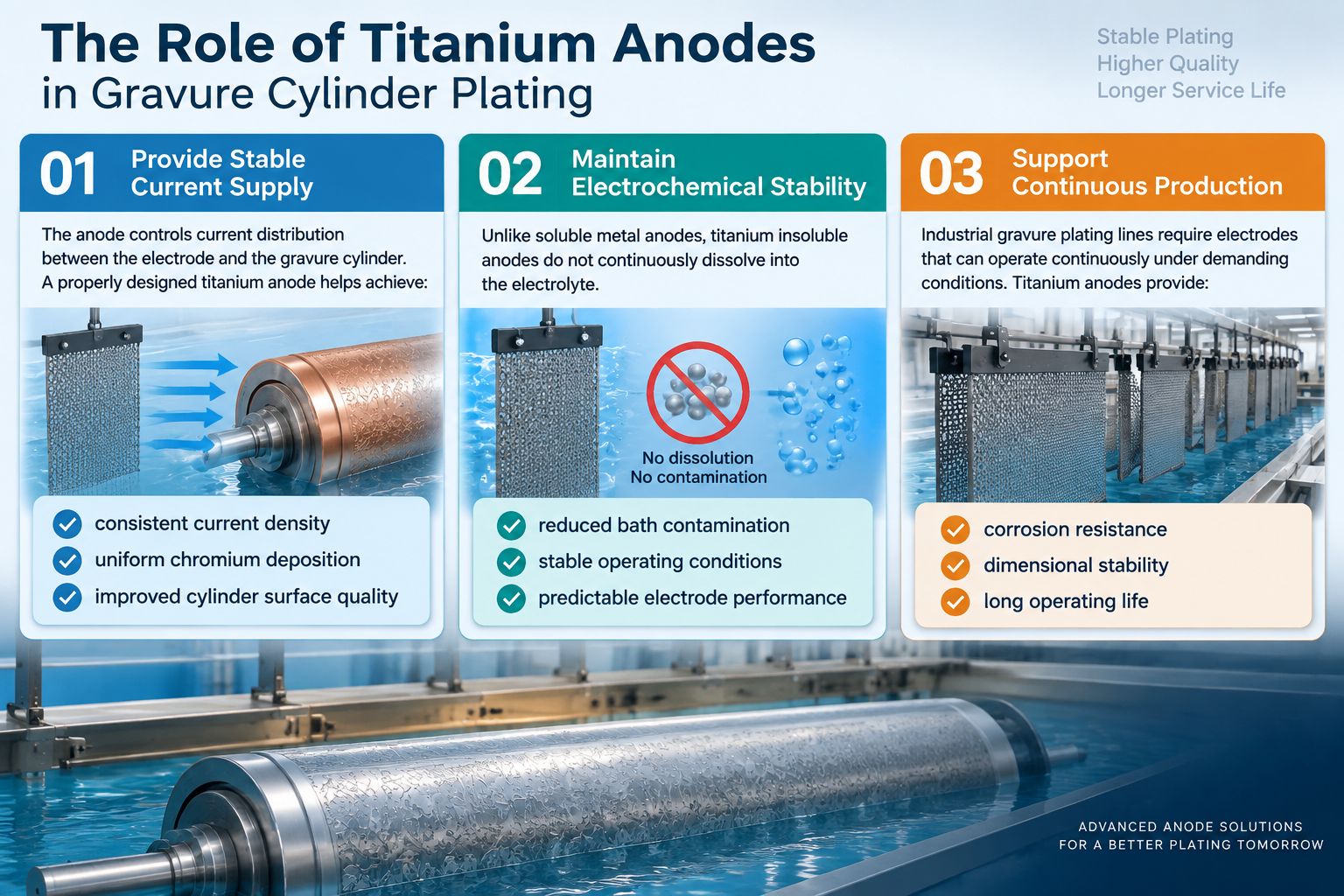
The Role of Titanium Anodes in Gravure Cylinder Plating
The anode is one of the key components in an electroplating system. It transfers electrical current into the electrolyte and supports the electrochemical reactions required for metal deposition.
In gravure cylinder manufacturing, titanium insoluble anodes are mainly used in processes where stable and corrosion-resistant electrodes are required, especially hard chromium plating.
Why Is the Anode Important?
The quality of a gravure cylinder depends on the uniformity and stability of the plating process.
During chromium plating, uneven current distribution may cause:
- inconsistent chromium thickness;
- edge effects;
- additional polishing requirements;
- reduced cylinder quality.
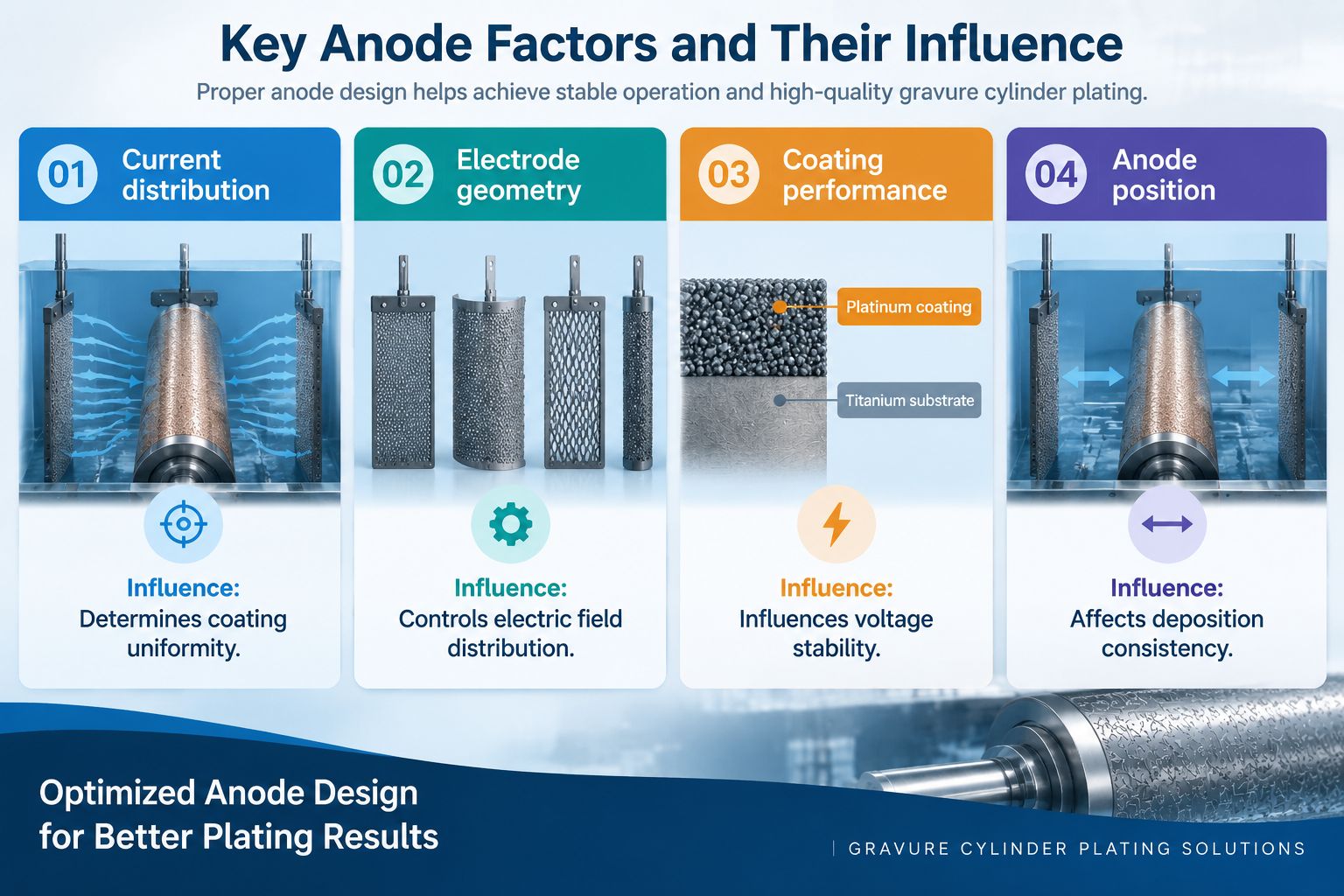
Where Are Titanium Anodes Used in the Gravure Cylinder Process?
Different Plating Stages Require Different Anode Technologies
The gravure cylinder manufacturing process usually involves multiple electroplating stages.
The required anode type depends on the plating chemistry and deposition mechanism.
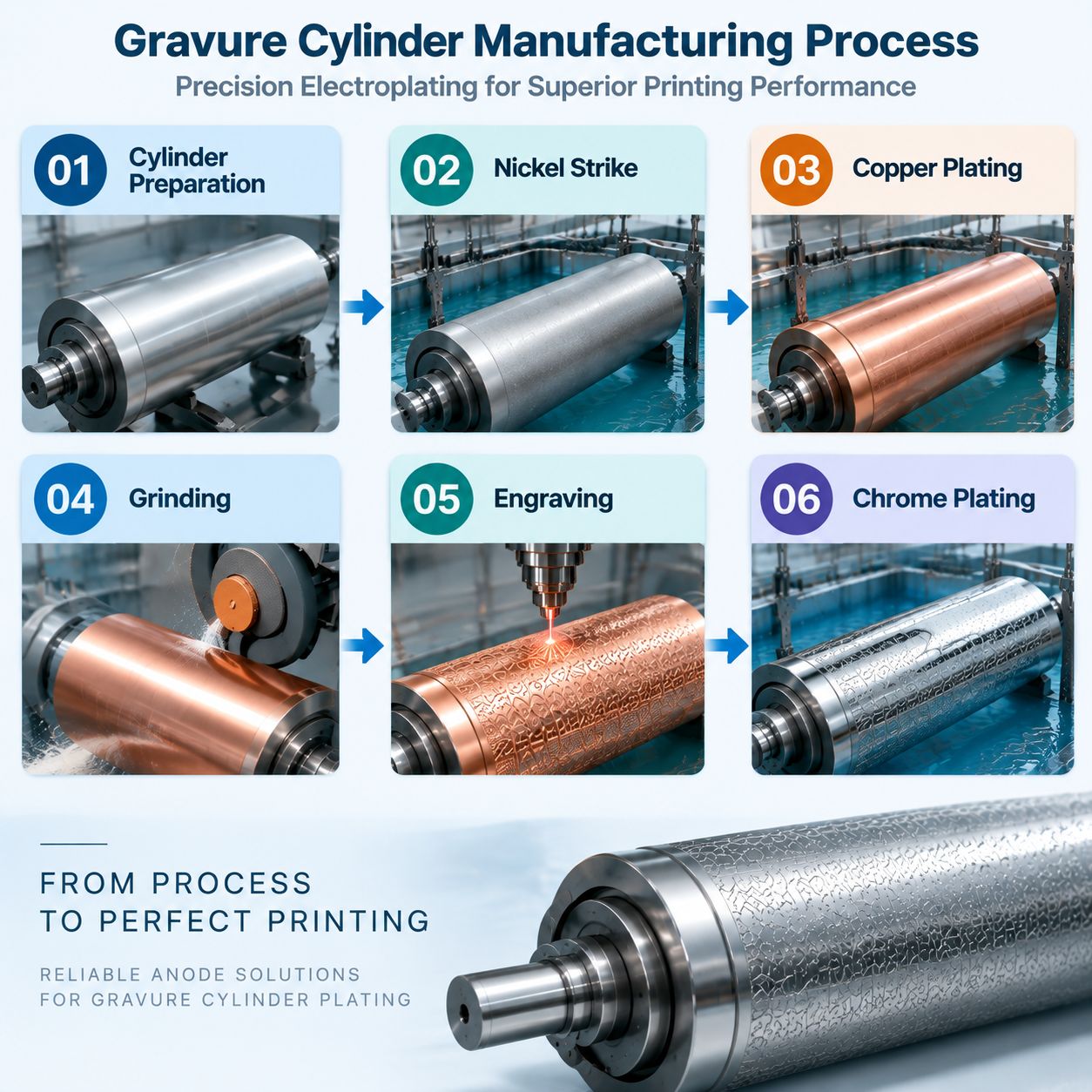
How Does Anode Design Affect Plating Quality?
The anode is not simply a current conductor. Its design directly affects the electric field distribution inside the plating tank.
| Design Factor | Influence on Performance |
| Anode geometry | Controls current distribution |
| Anode-cathode distance | Affects thickness uniformity and voltage |
| Active coating area | Determines current capacity |
| Surface structure | Improves gas release and electrolyte flow |
| Titanium substrate design | Provides mechanical stability |
| Coating type | Determines efficiency and service life |
| Electrical connection | Ensures stable current delivery |
What Causes Uneven Plating?
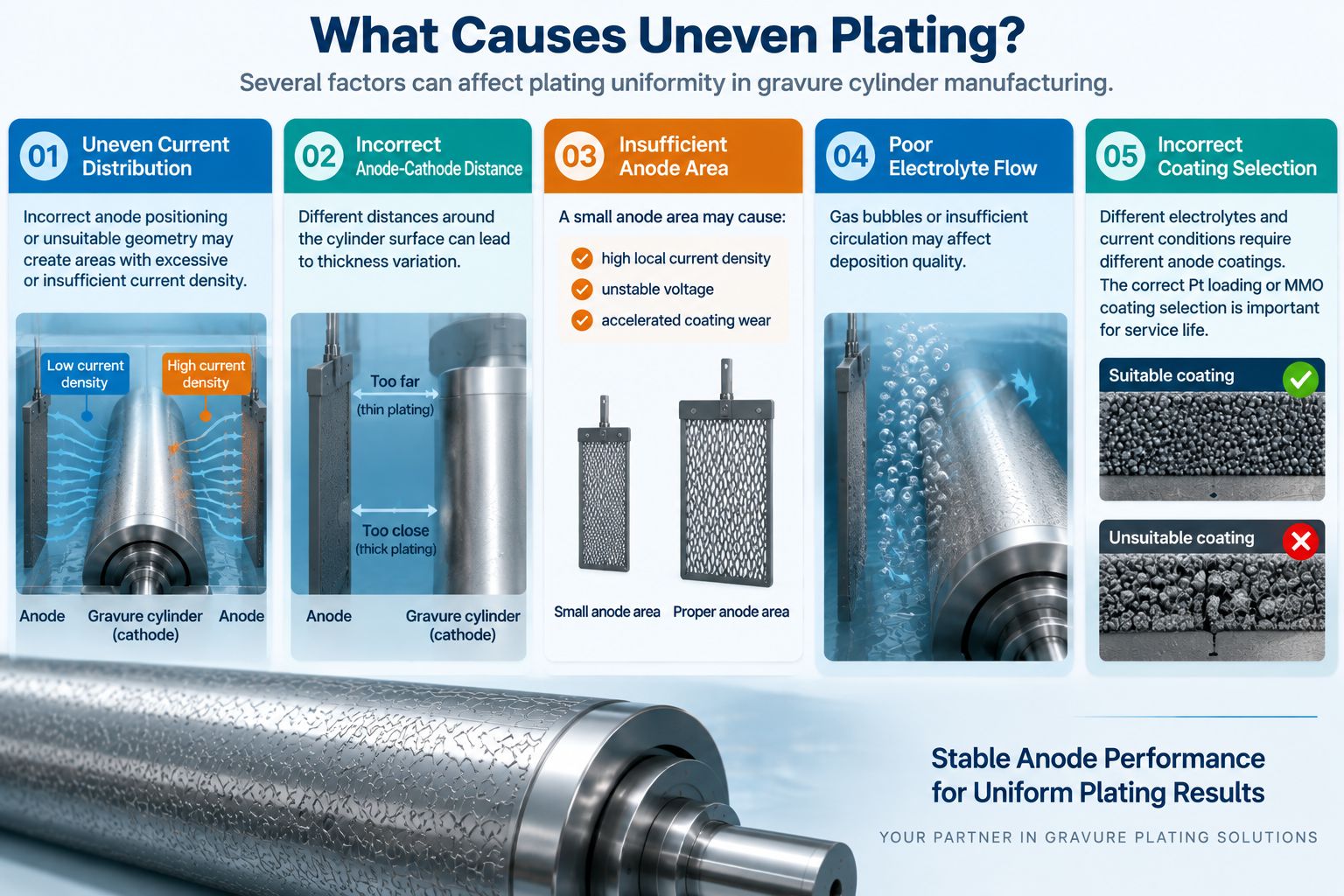
Uneven plating is usually related to several factors:
1. Uneven Current Distribution
2. Incorrect Anode-Cathode Distance
3. Insufficient Anode Area
4. Poor Electrolyte Flow
5. Incorrect Coating Selection
Titanium Anode Solutions for Gravure Plating
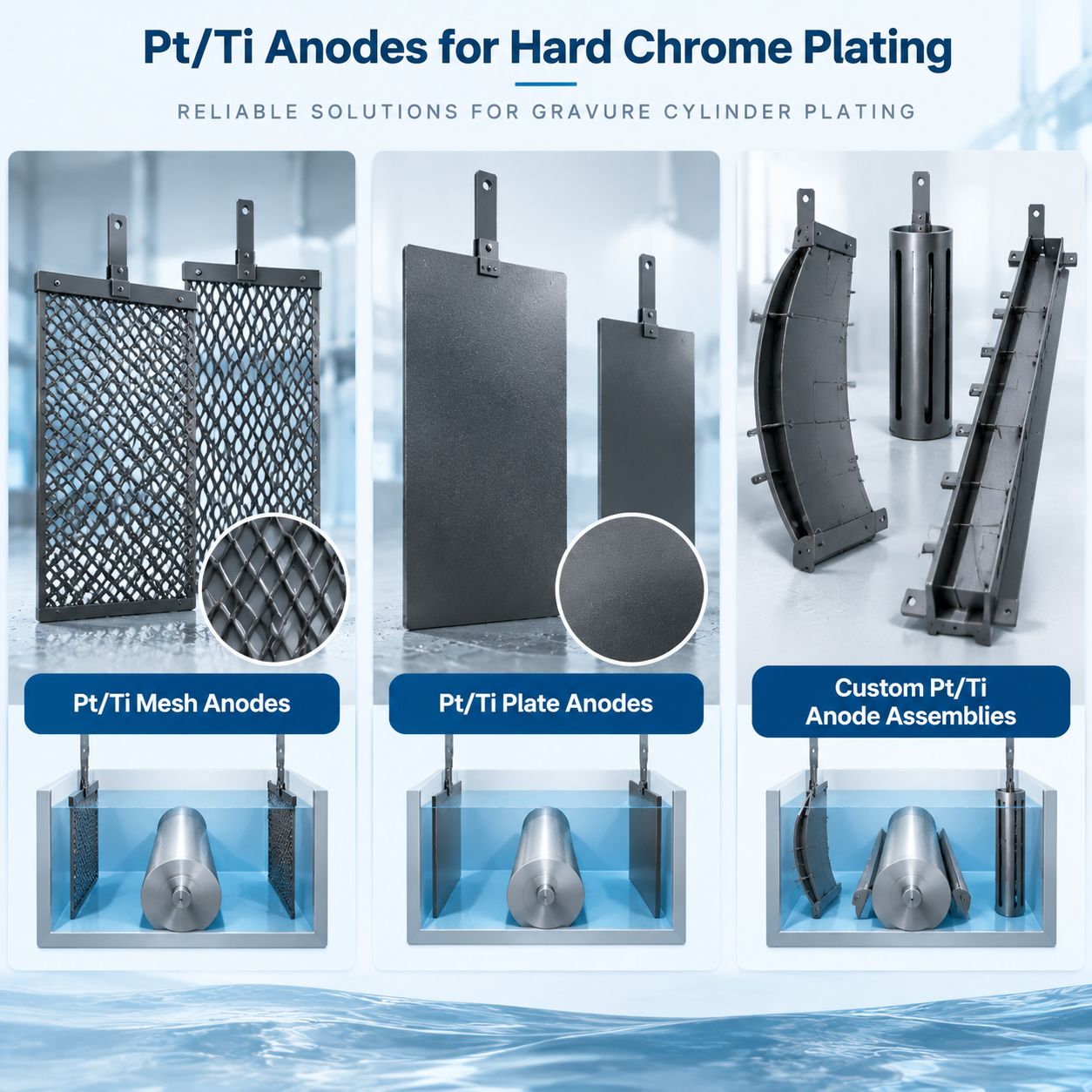
In gravure cylinder plating, the cylinder acts as the cathode, while the anode supplies current to the plating bath. Titanium mesh is used as an anode in the plating process.
For plating systems requiring an insoluble anode, Ehisen supplies platinized titanium anodes (Pt/Ti) in configurations matched to the existing plating equipment.
Available configurations
- Pt/Ti Mesh Anodes
- Pt/Ti Plate Anodes
- Custom Pt/Ti Anode Assemblies
How to Select a Titanium Anode?
The right titanium anode should match your cylinder dimensions, operating current, anode area, anode-to-cylinder distance and installation space, as these factors affect current distribution and plating consistency.
For a technical evaluation, please provide:
| Selection Parameter | What We Need to Know |
| Cylinder Size | Diameter, length and working area |
| Operating Current | Required current or current density |
| Anode Area | Working area and anode-to-cylinder area ratio |
| Anode Position | Distance between anode and cylinder |
| Anode Configuration | Mesh, plate or existing structure |
| Installation | Mounting dimensions and electrical connection |
| Operating Conditions | Plating bath and operating conditions |
Custom Titanium Anodes for Gravure Plating Equipment
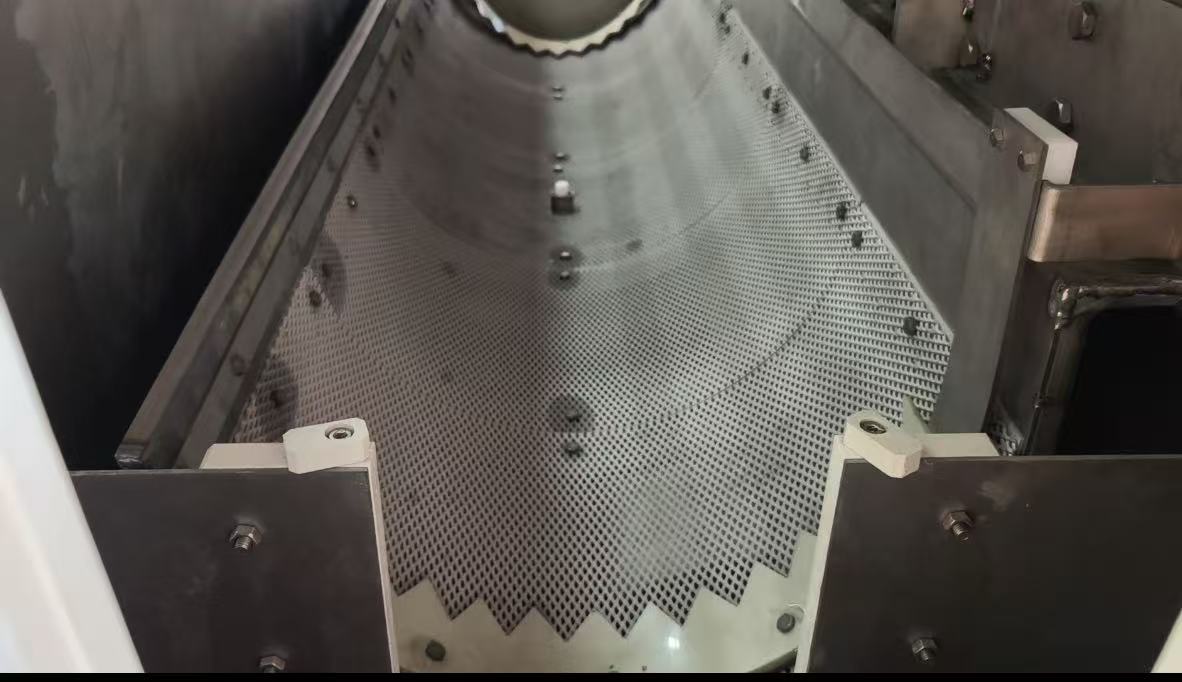
Your existing plating equipment may require a specific anode size, shape, working area or mounting arrangement. Ehisen manufactures titanium anodes to match your equipment and technical requirements.
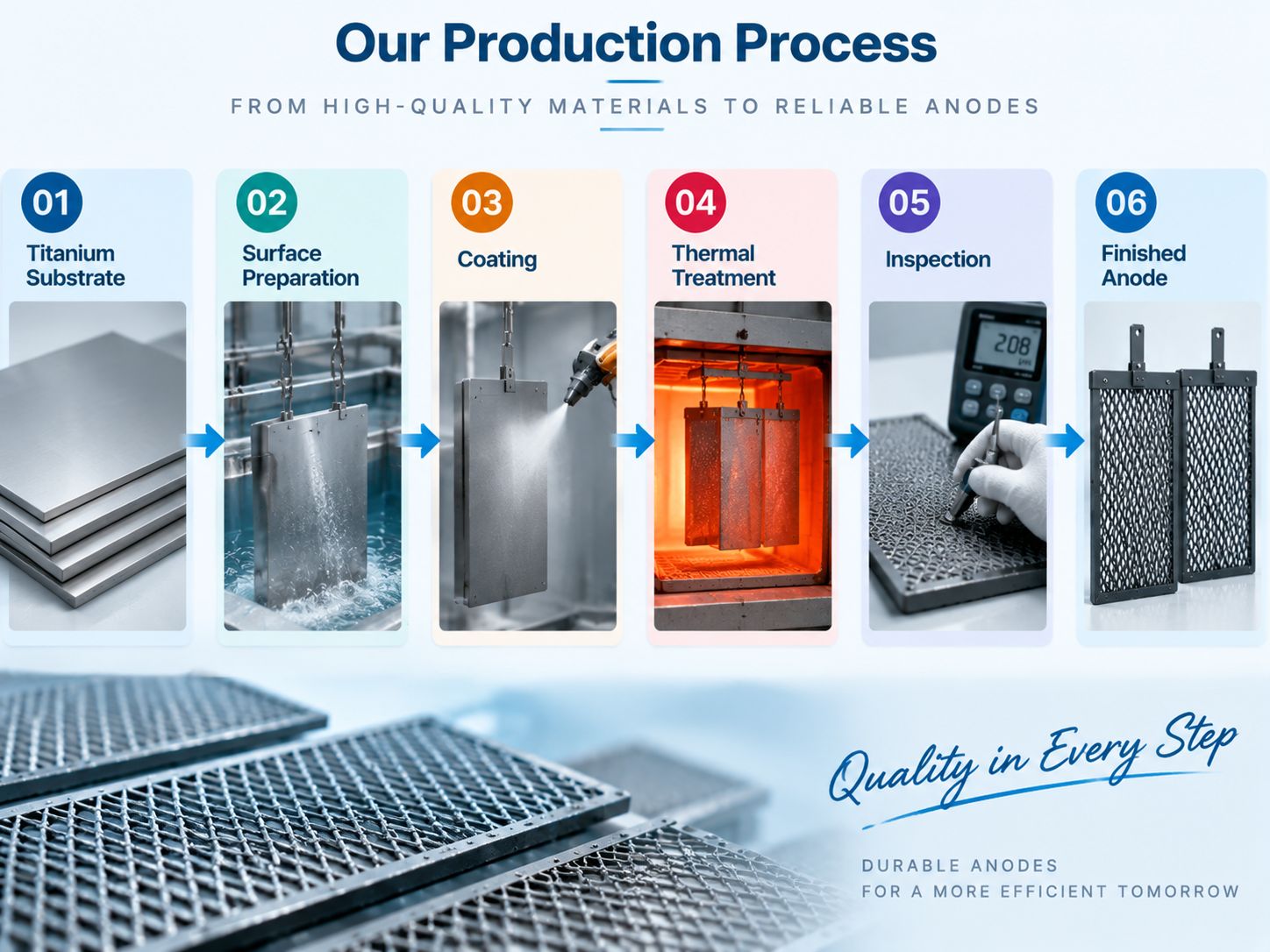
How We Manufacture & Inspect Titanium Anodes
Each custom titanium anode is manufactured according to the required dimensions, structure, coating specification and electrical connection.
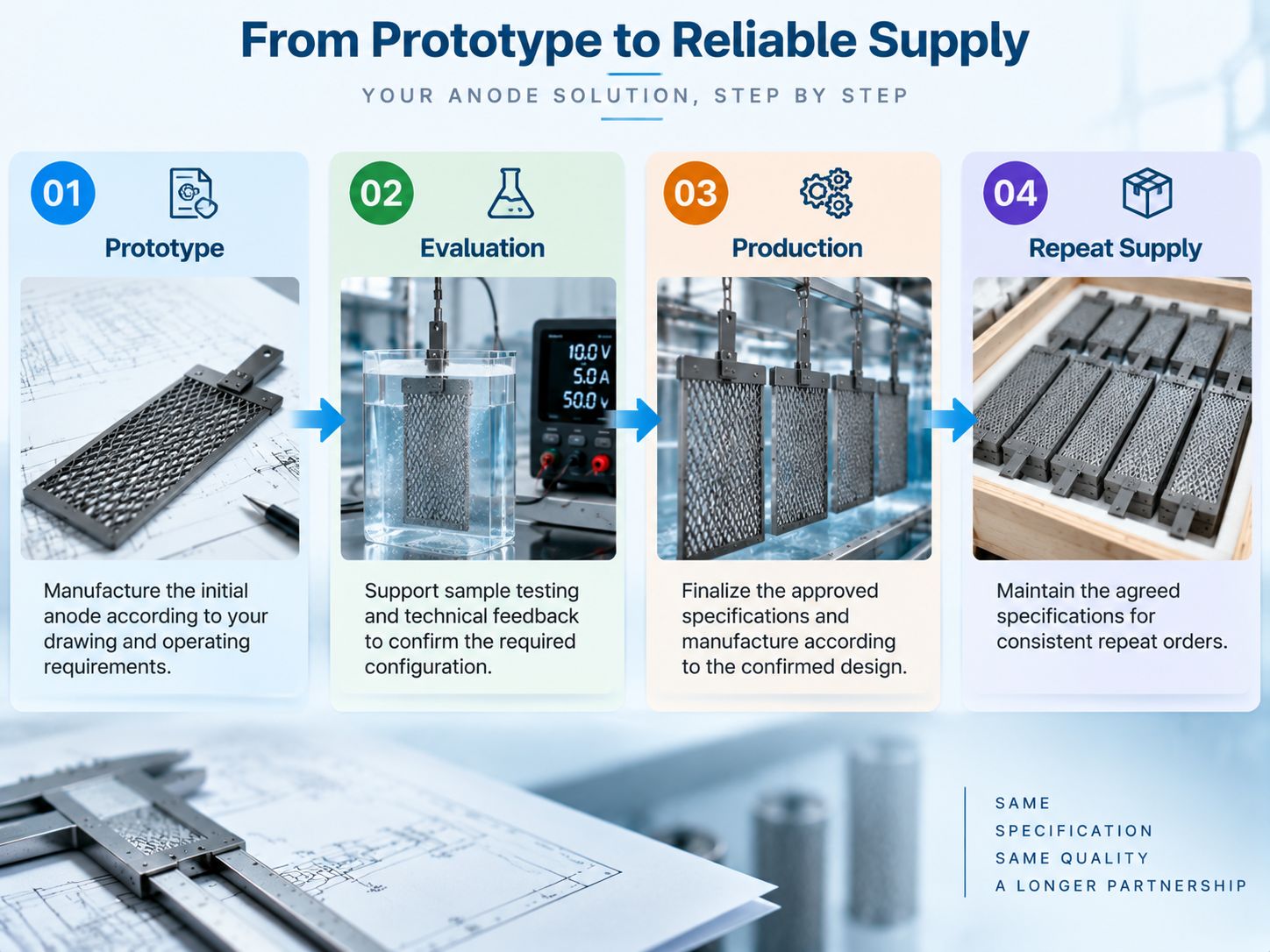
From Prototype to Repeat Supply
For custom titanium anodes, we support the process from initial prototype to repeat production, helping customers establish a consistent anode specification for their plating equipment.
FAQ
Why is anode-to-cylinder distance important?
The distance between the anode and cylinder affects the distribution of current in the plating bath. When the distance is excessive, cylinders with different diameters can experience significantly different current densities under constant-voltage operation, while energy consumption may also increase.
For this reason, anode dimensions and positioning should be considered together with the cylinder size and plating equipment.
Can an anode condition affect the plating bath?
Yes. Anode condition can influence bath cleanliness and electrical performance. In chrome plating, anode oxidation can cause part of the anode to become non-conductive, while in copper plating, poor-quality anode material or leakage can introduce impurities into the bath and contribute to plating defects.
For copper plating, the source also recommends using an anode bag to reduce contamination from anode impurities.
Can a titanium anode be customized for an existing plating line?
Yes. Customization can cover the anode dimensions, working area, structure, mounting arrangement and electrical connection according to the existing equipment and technical requirements.
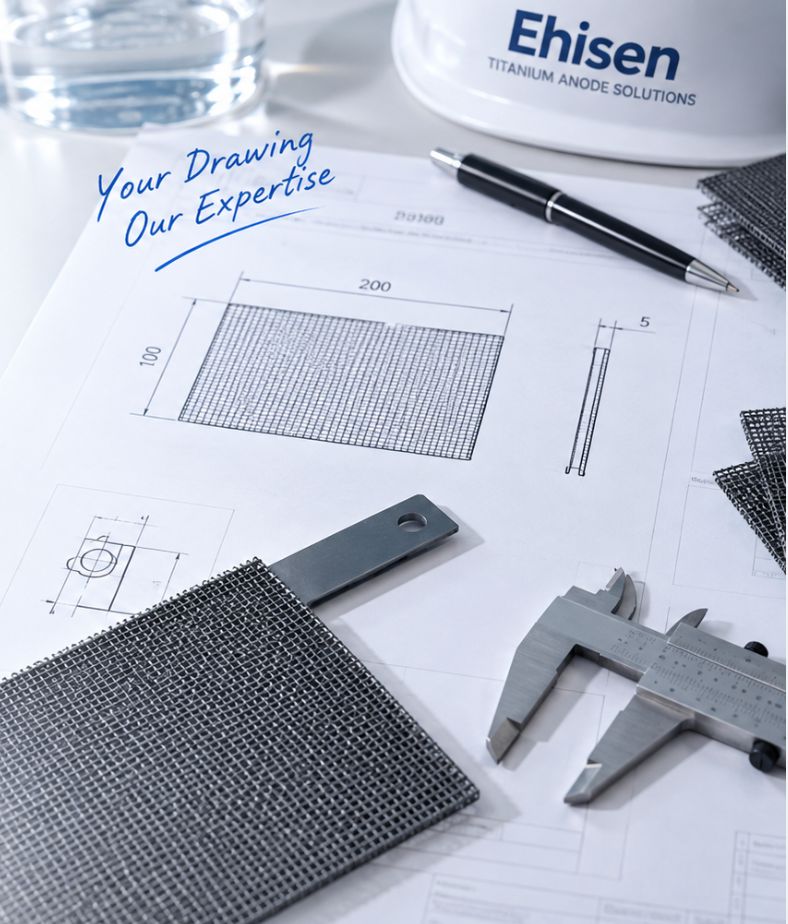
An existing drawing or sample can be used as the starting point for an anode review.
What information should be confirmed before ordering a custom titanium anode?
The key information includes:
Cylinder diameter and length
Operating current or current density
Required anode working area
Anode-to-cylinder distance
Anode configuration and dimensions
Mounting and electrical connection
Plating bath and operating conditions
For replacement projects, an existing anode drawing or sample can also help us identify the required structure and specifications.
Contact Us
Share your:
✓ Plating process
✓ Equipment drawing
✓ Operating parameters
✓ Electrode requirements
Ehisen's engineering team can help design a suitable titanium anode solution for your production line.
Our address
No. 28, Gaoya Industrial Park, Gaoxin District, Baoji City, Shaanxi Province.
Phone Number
+86 18710841426
Hot Tags: titanium anodes for gravure cylinder plating, China titanium anodes for gravure cylinder plating manufacturers, suppliers, factory, conductive precious metal anode, Titanium Anode for Electroplating, Titanium Anode for Precious Metal Plating, vacuum resistant precious metal anode, variable power precious metal anode, wear resistant precious metal anode