

Platinum coatings are widely used in various industries due to their exceptional properties, including corrosion resistance, electrical conductivity, and catalytic activity. However, a common question arises: does platinum coating wear off? This article delves into the factors affecting the durability of platinum coatings, their degradation mechanisms, and methods to enhance their longevity.

1. Introduction to Platinum Coatings
Platinum coatings are thin layers of platinum applied to a substrate to enhance its surface properties. These coatings are utilized in diverse applications such as electrochemical electrodes, medical devices, and jewelry. The primary reasons for their widespread use include:
Corrosion Resistance: Platinum is highly resistant to oxidation and chemical attack, making it ideal for harsh environments.
Electrical Conductivity: Platinum's excellent conductivity is crucial for applications in electronics and electrochemistry.
Catalytic Activity: Platinum is a catalyst in many chemical reactions, including fuel cells and automotive catalytic converters.

2. Factors Influencing Platinum Coating Wear
The durability of platinum coatings depends on several factors:
2.1. Substrate Material
The material onto which platinum is coated plays a significant role in the coating's adhesion and durability. Common substrates include titanium, stainless steel, and ceramics. The compatibility between the substrate and platinum affects the coating's performance.
2.2. Coating Thickness
Thicker coatings generally offer better protection and longevity. However, increasing thickness can also lead to higher costs and potential issues with adhesion and flexibility.
2.3. Application Method
Platinum coatings can be applied using various techniques such as electroplating, physical vapor deposition (PVD), and chemical vapor deposition (CVD). Each method has its advantages and limitations in terms of coating quality and durability.
2.4. Environmental Conditions
The operating environment significantly impacts the wear of platinum coatings. Factors such as temperature, pH, presence of corrosive substances, and mechanical stress can accelerate degradation.
3. Degradation Mechanisms of Platinum Coatings
Understanding the degradation mechanisms of platinum coatings is crucial for developing strategies to enhance their durability. Although platinum coatings exhibit excellent performance, they may still experience wear or failure under certain conditions. Below are common degradation mechanisms and their detailed descriptions:
3.1 Mechanical Wear

Mechanical wear refers to physical loss caused by friction and abrasion. In applications involving moving parts or frequent contact, the coating surface gradually wears away, exposing the underlying substrate. Examples include:
Frictional wear: When two surfaces slide against each other, friction causes the coating to thin over time. This type of wear is common in mechanical seals, bearings, or sliding contacts.
Abrasive wear: Hard particles (such as dust or metal debris) sliding or rolling over the coating surface can scratch and wear down the coating. This is often seen in industrial equipment or devices exposed to dusty environments.
Fatigue wear: Repeated mechanical stress may cause microcracks to form on the coating surface, which gradually expand and eventually lead to coating delamination.
Factors affecting mechanical wear:
Coating hardness: Harder coatings are more resistant to wear.
Surface roughness: Rough surfaces increase friction and accelerate wear.
Load and speed: Higher loads and sliding speeds exacerbate wear.
3.2 Chemical Corrosion

Although platinum has exceptional corrosion resistance, it may still degrade in extreme chemical environments. For example:
Erosion by strong acids or bases: In strong acid (e.g., hydrochloric acid, sulfuric acid) or strong base (e.g., sodium hydroxide) environments, platinum coatings may undergo slow chemical dissolution. While platinum's corrosion rate is low, prolonged exposure can still lead to gradual thinning.
Effects of oxidative media: At high temperatures or in strong oxidizing environments (such as chlorine gas or hydrogen peroxide), platinum may form oxides or other compounds, reducing its performance.
Localized corrosion: If the coating has defects (such as pinholes or cracks), corrosive media can penetrate and attack the substrate, causing coating delamination.
Factors affecting chemical corrosion:
pH and chemical properties of the medium
Temperature and pressure conditions
Coating density and presence of defects
3.3 Thermal Degradation
High-temperature environments can lead to the thermal degradation of platinum coatings, including:
Platinum atom diffusion: At high temperatures, platinum atoms may diffuse into the substrate, thinning the coating. This is common in high-temperature fuel cells or catalytic reactors.
Formation of intermetallic compounds: Platinum may react with the substrate or other metals at high temperatures to form intermetallic compounds, which are often brittle and can lead to coating cracking or delamination.
Thermal stress: Differences in thermal expansion coefficients between the coating and substrate can cause thermal stress, leading to cracks or delamination.
Factors affecting thermal degradation:
Operating temperature range
Thermal expansion coefficient compatibility between coating and substrate
Coating thickness and structure
3.4 Electrochemical Erosion
In electrochemical applications, platinum coatings may degrade due to electrochemical erosion, including:
Dissolution and redeposition: During electrochemical reactions, platinum coatings may dissolve and redeposit in other areas of the electrode, causing localized thinning and eventual failure.
Redox reactions: Repeated oxidation and reduction cycles can gradually degrade the coating structure.
High local current density: In electrochemical devices, excessively high local current densities can cause localized overheating or dissolution of the coating.
Factors affecting electrochemical erosion:
Potential range and cycling frequency
Electrolyte composition and concentration
Coating uniformity and density
4. Methods to Improve the Durability of Platinum Coatings
To extend the lifespan of platinum coatings, the following strategies can be adopted:
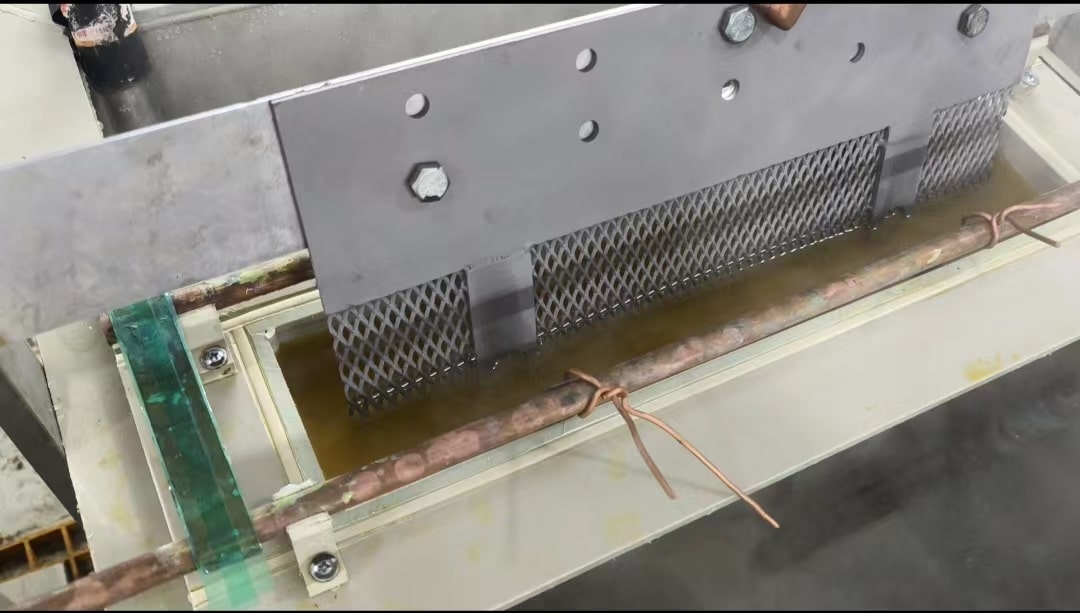
4.1 Surface Treatment
Proper surface treatment is essential for ensuring strong coating adhesion. Key processes include:
Cleaning: Before platinum deposition, the substrate must be thoroughly cleaned to remove oil, oxides, and other contaminants. Common cleaning methods include solvent cleaning, ultrasonic cleaning, and acid etching.
Roughening: Techniques such as sandblasting, chemical etching, or electrochemical treatment can increase the surface roughness of the substrate, enhancing coating adhesion.
Activation: In some cases, substrate activation (such as electrochemical activation) is needed to improve bonding with the platinum coating.
Benefits of surface treatment:
Reduces the risk of coating delamination.
Improves coating uniformity and density.
4.2 Intermediate Layers
Applying an intermediate layer between the substrate and the platinum coating can significantly enhance coating performance. Common methods include:
Nickel or chromium intermediate layers: These metals provide good adhesion and corrosion resistance, serving as a transition layer between the platinum coating and the substrate.
Oxide intermediate layers: In high-temperature applications, oxide layers (such as aluminum oxide or zirconium oxide) offer additional thermal stability and chemical inertness.
Functions of intermediate layers:
Enhances coating adhesion.
Provides extra corrosion resistance and thermal stability.
4.3 Alloying
Alloying platinum with other metals can significantly improve its performance, such as:
Platinum-iridium alloy: The addition of iridium enhances hardness and corrosion resistance, making it suitable for high-wear or highly corrosive environments.
Platinum-ruthenium alloy: Ruthenium enhances catalytic activity and resistance to electrochemical erosion, making it ideal for electrochemical applications.
Platinum-titanium alloy: Titanium improves high-temperature stability and mechanical strength.
Advantages of alloying:
Improves mechanical properties and chemical stability.
Extends the service life of the coating in harsh environments.
4.4 Protective Coatings
Applying a thin protective layer over the platinum coating can further enhance its durability. Common approaches include:
Polymer coatings: Polymers (such as polytetrafluoroethylene) provide excellent chemical resistance and low friction, suitable for chemical processing equipment or sliding components.
Ceramic coatings: Ceramics (such as aluminum oxide or silicon nitride) offer exceptional hardness and high-temperature resistance, making them ideal for high-wear or high-temperature environments.
Functions of protective coatings:
Shields the platinum coating from environmental factors.
Reduces mechanical wear and chemical corrosion.
4.5 Regular Maintenance
For applications where coatings are prone to wear, regular maintenance is key to ensuring long-term performance. Recommended measures include:
Periodic inspection: Using microscopes, X-ray analysis, or electrochemical testing to monitor coating conditions and detect potential issues early.
Cleaning and repair: Regularly cleaning the coating surface to remove contaminants or corrosion products. Localized damage can be repaired or re-coated.
Optimizing operating conditions: Adjusting parameters such as temperature, pressure, or current density to minimize coating degradation.
Benefits of regular maintenance:
Extends the lifespan of the coating.
Reduces equipment failure rates and maintenance costs.
5. Case Studies and Practical Applications
Studying real-world applications provides valuable insights into the performance and durability of platinum coatings. Below are some key application areas where platinum coatings play a crucial role, along with strategies to enhance their longevity.

5.1 Electrochemical Electrodes
Platinum coatings are widely used in electrochemical electrodes due to their excellent conductivity and catalytic activity. These electrodes are essential in applications such as fuel cells, electrolysis, and sensors.
Challenges and Solutions:
Challenge: Platinum electrodes often experience degradation due to electrochemical dissolution, redeposition, and mechanical stress.
Solution: Research indicates that optimizing the deposition process (e.g., using pulse electrodeposition or chemical vapor deposition) can enhance coating adhesion and density. Additionally, alloying platinum with elements such as ruthenium or iridium can improve resistance to electrochemical erosion, significantly extending the service life of electrodes.
5.2 Medical Devices
Platinum coatings are essential in medical devices such as stents, pacemaker electrodes, and neurostimulation implants due to their biocompatibility, corrosion resistance, and electrical conductivity.
Challenges and Solutions:
Challenge: The harsh physiological environment, including exposure to bodily fluids and mechanical stress, can cause gradual wear or degradation of platinum coatings.
Solution: Studies show that surface treatment methods, such as plasma treatment or nanostructuring, can enhance coating adhesion and stability. Furthermore, alloying platinum with iridium or titanium has been proven to improve mechanical strength and corrosion resistance, ensuring longer device functionality and reducing the need for replacements.
5.3 Jewelry
Platinum coatings are highly valued in jewelry due to their brilliant luster, scratch resistance, and tarnish-free properties. However, maintaining their aesthetic appeal and durability remains a challenge.
Challenges and Solutions:
Challenge: Daily wear and exposure to sweat, cosmetics, and environmental pollutants can cause minor surface wear or dulling of the coating over time.
Solution: Advances in surface finishing techniques, such as diamond-like carbon (DLC) coatings or ceramic-enhanced coatings, have significantly improved the longevity and scratch resistance of platinum-plated jewelry. Additionally, applying ultra-thin protective layers can minimize oxidation and reduce the frequency of re-plating.
6. Future Trends and Innovations
The field of platinum coatings is continuously evolving, with ongoing research focusing on enhancing performance, durability, and application versatility. Emerging innovations are poised to revolutionize the industry, offering more robust and efficient coating solutions.
6.1 Nanostructured Coatings
Nanostructured platinum coatings exhibit unique properties at the nanoscale, offering superior adhesion, increased surface area, and enhanced durability.

Key Benefits:
Improved Adhesion: Nanostructured coatings bond more effectively with substrates, reducing the risk of delamination.
Higher Surface Area: In applications such as catalysts and sensors, nanostructured platinum significantly enhances reaction efficiency due to increased active sites.
Enhanced Wear and Corrosion Resistance: The fine-grained structure improves mechanical strength, making coatings more resilient to wear and environmental degradation.
Recent advancements in electrochemical deposition and template-assisted synthesis have facilitated the development of highly uniform nanostructured coatings, opening new possibilities in fuel cells, biomedical implants, and aerospace components.
6.2 Advanced Coating Technologies
New deposition techniques are transforming the way platinum coatings are applied, allowing for precise control over thickness, composition, and structural integrity.
Notable Techniques:
Atomic Layer Deposition (ALD): ALD enables ultra-thin, highly uniform platinum coatings with exceptional adhesion and conformality, making it ideal for microelectronics, MEMS devices, and high-performance sensors.
Laser-Assisted Deposition: This technique enhances the density and adhesion of coatings while minimizing defects, offering promising applications in aerospace and high-temperature environments.
Physical Vapor Deposition (PVD) and Chemical Vapor Deposition (CVD): These methods provide highly pure and contamination-free coatings, improving wear resistance and durability in industrial applications.
By refining these deposition methods, researchers aim to achieve coatings that are not only more durable but also more cost-effective and scalable for mass production.
6.3 Smart Coatings
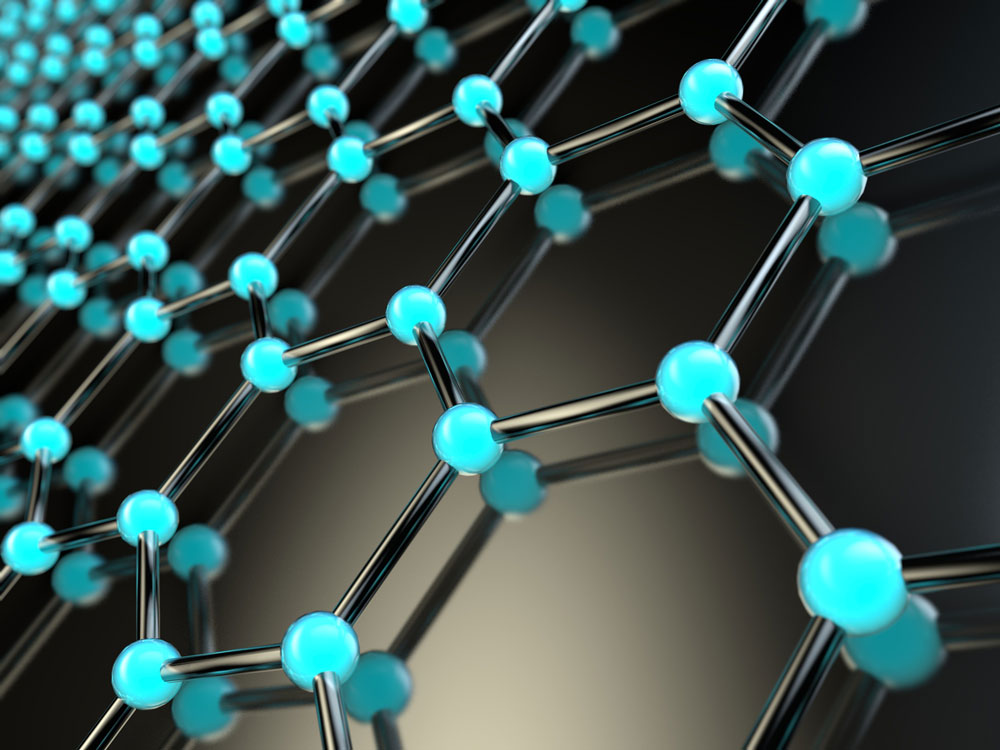
The development of self-healing and adaptive platinum coatings is an exciting research frontier, with the potential to dramatically extend service life in extreme environments.
Future Possibilities:
Self-Healing Coatings: These coatings incorporate microencapsulated healing agents that activate when cracks or wear occur, autonomously repairing damage and preventing further degradation.
Environmentally Adaptive Coatings: Smart coatings can adjust their properties based on external conditions, such as temperature, humidity, or pH, optimizing performance for specific applications.
Electroactive Coatings: In electrochemical applications, coatings that dynamically respond to applied voltage could prevent corrosion and enhance catalytic efficiency.
The integration of nanotechnology and advanced material science is paving the way for coatings that are not only more robust but also more intelligent, reducing maintenance costs and extending the lifespan of coated components.
7. Conclusion
Platinum coatings are invaluable in numerous applications due to their exceptional properties. While they are highly durable, they are not immune to wear and degradation. Understanding the factors that influence their longevity and employing strategies to enhance their durability can ensure their continued performance and reliability. As research and technology advance, we can expect even more robust and innovative platinum coatings to emerge, further expanding their utility and effectiveness.
8. References
Smith, J. A., & Johnson, B. C. (2020). "Durability of Platinum Coatings in Harsh Environments." Journal of Materials Science, 55(12), 4567-4580.
Lee, H. R., & Kim, S. H. (2019). "Advances in Platinum Coating Techniques for Medical Devices." Biomaterials Research, 23(4), 123-135.
Wang, X., & Zhang, Y. (2021). "Nanostructured Platinum Coatings: Synthesis and Applications." Nano Today, 36, 101-115.
Brown, T. E., & Davis, R. M. (2018). "Protective Coatings for Platinum: A Review." Surface and Coatings Technology, 345, 45-60.
By addressing the factors that contribute to the wear of platinum coatings and exploring methods to enhance their durability, this article provides a comprehensive overview of the subject. Whether you are an engineer, researcher, or industry professional, understanding these aspects can help you make informed decisions and optimize the performance of platinum-coated products.
our related products


