

Water heater anode rods play a critical role in preventing corrosion, extending the lifespan of your water heater. While traditional sacrificial rods are effective, they wear out over time. But titanium anode rods offer a long-lasting, high-performance solution. Let's explore what titanium anode rods can do for your water heater and other applications.

A Titanium Anode Rod for Water Heaters: A Powerful Solution
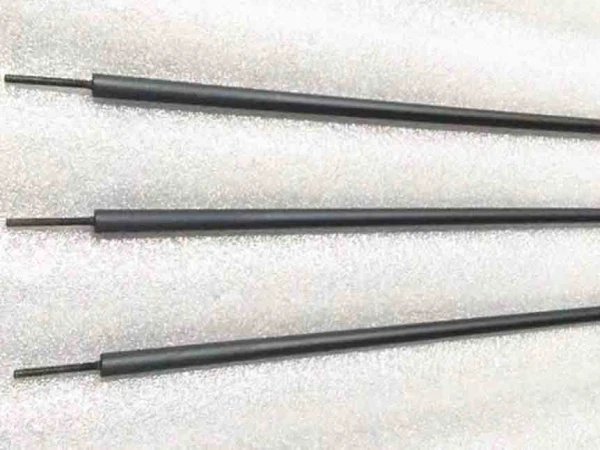
A titanium anode rod for water heaters works by introducing an electrical current to prevent corrosion inside the tank. Unlike traditional sacrificial rods, titanium anode rods don't corrode and provide continuous protection, making them a durable, long-term solution for water heater maintenance. They effectively protect the tank from corrosive minerals in the water, ensuring that the heater lasts longer and functions more efficiently. This unique feature of titanium makes it the ideal material for anode rods in water heaters.
What Is a Titanium Anode Used For?
Titanium anodes are versatile components used across a variety of industries. Their main application is in electrochemical processes, such as water treatment, electroplating, and corrosion prevention. Here are some of the most common uses:
Water Treatment: Titanium anodes are widely employed in water treatment facilities. They are used in electrochemical water purification, where they help remove contaminants like bacteria, algae, and chemicals from the water. Titanium's resistance to corrosion and high conductivity make it ideal for these applications.
Electroplating: In the electroplating industry, titanium anodes are crucial for controlling the deposition of metal ions onto surfaces. Titanium electrodes provide precision and consistency in creating high-purity metal coatings on various substrates. This is essential in the manufacturing of electronic components, automotive parts, and jewelry.
Electrolytic Hydrogen Production: Titanium anodes are used in electrolyzers, devices that split water into hydrogen and oxygen using electrolysis. In these systems, titanium anodes provide long-lasting, efficient electrochemical reactions that are necessary for producing clean hydrogen fuel.
Cathodic Protection: Titanium anodes are commonly used for cathodic protection of metal structures. This involves preventing the corrosion of important assets like pipelines, storage tanks, and marine structures by supplying a protective electrical charge. Titanium's durability and corrosion resistance make it the ideal choice for such critical applications.

Do Titanium Anode Rods Work?
Yes, titanium anode rods work exceptionally well, and in fact, they work in a very different way from traditional sacrificial anode rods. Instead of gradually wearing away to protect your water heater tank, titanium rods introduce an electrical current that prevents the chemical reaction responsible for corrosion. This process, called electrolytic protection, halts the corrosion process by stopping the flow of electrons that causes metal degradation.
The benefit? Unlike sacrificial magnesium anodes that need to be replaced every few years, titanium anode rods don't corrode or degrade, providing you with a longer-lasting solution to prevent rust and extend the life of your water heater.
What Is an Anode Rod Used for in a Water Heater?
In a water heater, the anode rod serves as the tank's primary defense against corrosion. The purpose of an anode rod is to attract corrosive elements (like minerals in the water) so that they corrode the rod instead of the inside of the water heater tank. Essentially, it acts as a "sacrificial" element, drawing the harmful particles to itself, sparing the tank from the damage that would otherwise occur.
However, titanium anode rods are superior because they don't sacrifice themselves to prevent corrosion. Instead, they use a constant electrical current to neutralize the corrosive effects of the minerals in the water, protecting the heater without any material degradation. This means your water heater tank stays intact for much longer.
Is Titanium an Anode or Cathode?
Titanium is typically used as an anode, especially when coated with a metal oxide. In this form, titanium serves in a wide variety of electrochemical applications, from water treatment to electroplating. Titanium anodes are favored due to their high corrosion resistance, electrical conductivity, and electrocatalytic activity. These properties make titanium the preferred choice when a long-lasting, reliable electrode is needed in aggressive chemical environments.
Titanium-based metal oxide coatings ensure that the anode remains effective for longer periods, preventing degradation that might otherwise occur with other metals. This makes titanium anodes a valuable asset in both industrial and laboratory settings.

The Role of Titanium Anodes in Electroplating
In electroplating, titanium anodes are indispensable. When plating metals like gold, silver, or copper onto a substrate, it's crucial to control the deposition process to ensure uniformity and high purity. Titanium anodes help achieve this by providing consistent, reliable electrical conductivity, which is essential for the electroplating process. The result is high-quality coatings that are durable, uniform, and resistant to wear.
Titanium's resistance to corrosion and its ability to remain stable in a highly reactive environment make it the best material for anode rods used in electroplating. Whether you're plating delicate jewelry or industrial-grade parts, titanium ensures that the plating process runs smoothly.
How Titanium Anodes Are Revolutionizing Water Treatment
Water treatment involves the removal of contaminants from water sources to make it safe for consumption or industrial use. Titanium anodes have become integral to modern electrochemical water treatment systems. Their high conductivity allows them to efficiently initiate the chemical reactions needed to break down pollutants and purify water. In addition, titanium anodes have a longer operational life, reducing the need for frequent replacements and maintenance.
Titanium's resistance to scaling and corrosion also means that titanium anodes can be used in a wide range of water conditions, from salty seawater to brackish water, without degrading. This makes titanium a game-changer in the pursuit of cleaner, safer water.

Why Choose Titanium for Cathodic Protection?
Titanium anodes are widely used for cathodic protection, a process in which an electrical charge is supplied to a metal structure (like a pipeline) to prevent corrosion. Titanium's superior resistance to corrosion, even in harsh environments like seawater or industrial settings, makes it the ideal material for this application.
In marine structures, oil rigs, and pipelines, titanium anodes are used to safeguard expensive infrastructure from the damaging effects of corrosion. They provide a reliable and long-lasting solution, reducing maintenance costs and increasing the lifespan of critical assets.
Summary
Titanium anodes offer unparalleled durability, efficiency, and resistance to corrosion, making them a critical component across industries like water treatment, electroplating, and cathodic protection. Whether you're protecting a water heater or an industrial asset, titanium provides the reliability you need to ensure longevity and performance.