

Introduction
Molybdenum is an important rare metal that, due to its unique physical and chemical properties, has a wide range of applications in aerospace, electronics, medical, energy, and other fields.As a key derivative product of molybdenum metal, molybdenum processed products reflect global industrial development trends through their market demand and price fluctuations.This article will conduct an in-depth analysis of the global supply and demand situation, price changes, and future forecasts of molybdenum processed products, providing valuable references for investors and corporate decision-makers.
I. Overview of Molybdenum Processed Products
1.1 Basic Properties of Molybdenum
Molybdenum (Mo) is a silver-white transition metal whose unique physical and chemical properties make it an ideal material for various high-end applications.

Below are the key properties of molybdenum:
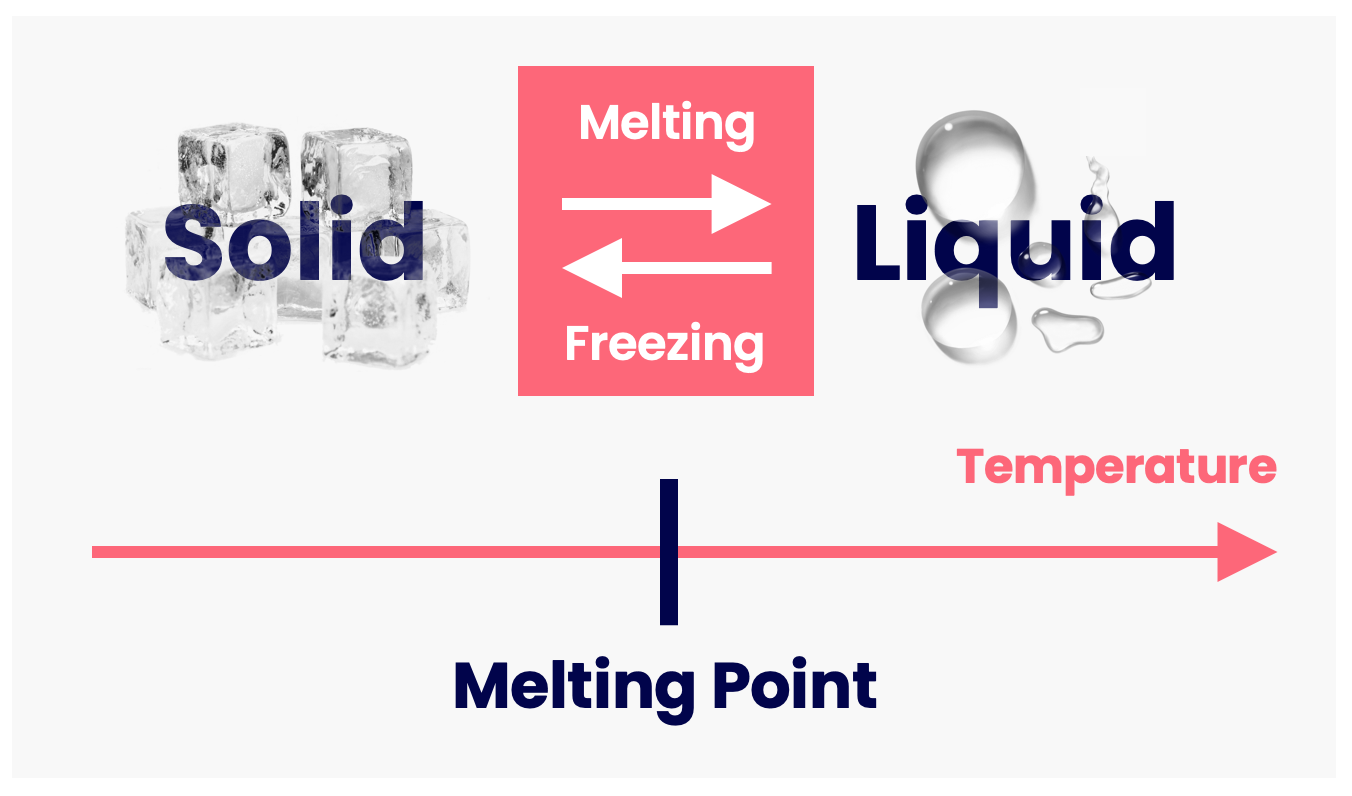
High Melting Point (2623°C): Molybdenum has the sixth highest melting point among all metals, making it suitable for high-temperature applications.
Excellent Thermal and Electrical Conductivity: Molybdenum's thermal conductivity is close to that of silver, making it widely used in electronics, semiconductors, and energy industries.
High Strength and Wear Resistance: Even in high-temperature environments, molybdenum maintains good mechanical strength and wear resistance.
Superior Corrosion Resistance: Molybdenum exhibits strong resistance to acids, alkalis, and oxidation, making it widely used in the chemical industry.
Low Thermal Expansion Coefficient: Molybdenum has a low coefficient of thermal expansion, ensuring dimensional stability even under extreme temperature changes.
Due to these properties, molybdenum has become a key material in high-end manufacturing industries, including aerospace, electronics, energy, medical devices, and chemical equipment.
1.2 Types of Molybdenum Processed Products
Molybdenum processed products are manufactured through refining, powder metallurgy, rolling, forging, and other processes, transforming raw molybdenum ore into various finished products.
The main types of molybdenum processed products include:

1. Molybdenum Plate
Used in high-temperature furnace heating elements, electronic device substrates, and heat exchangers.

2. Molybdenum Rod
Suitable for high-temperature structural components, nuclear reactor parts, and medical devices.

3. Molybdenum Wire
Used in lighting (filaments), electronic devices, electrodes, and high-temperature spraying applications.

4. Molybdenum Tube
Applied in the nuclear industry, high-temperature chemical reaction equipment, and high-temperature gas transportation systems.

5. Molybdenum Crucible
Primarily used for monocrystalline silicon production, sapphire crystal growth, and rare metal smelting in high-temperature processes.
Different types of molybdenum processed products play crucial roles in their respective application fields.
As industrial technology continues to advance, the demand for high-performance molybdenum processed products will continue to grow.
1.3 Manufacturing Processes of Molybdenum Processed Products
The production of molybdenum processed products involves multiple high-precision and high-tech processes to ensure final product quality and performance.
The main manufacturing processes include:

1. Powder Metallurgy
Molybdenum ore is purified and reduced to produce molybdenum powder.
The powder is then pressed and sintered at high temperatures to form high-purity molybdenum products.
This process is ideal for high-purity molybdenum materials.
2. Melting Process
Utilizes electric arc furnaces, induction furnaces, or electron beam melting to refine molybdenum.
Enhances purity by removing impurities from raw molybdenum.

3. Rolling and Forging
Molybdenum is subjected to hot rolling, cold rolling, and forging to improve mechanical properties.
This process is used to manufacture molybdenum plates, rods, and sheets of various specifications.
4. Wire Drawing
Produces high-precision molybdenum wire for applications in electronics, lighting, and welding.
The wire is drawn to achieve the required diameter and precision.
With continuous advancements in manufacturing technology, the production processes for high-purity molybdenum and molybdenum alloys are being further optimized.
These improvements aim to meet the increasing demands of high-end industries such as aerospace, semiconductors, and nuclear energy.
II. Global Supply and Demand of Molybdenum Processed Products
2.1 Global Distribution of Molybdenum Resources
Global molybdenum resources are mainly distributed in China, the United States, Chile, Peru, and Canada.
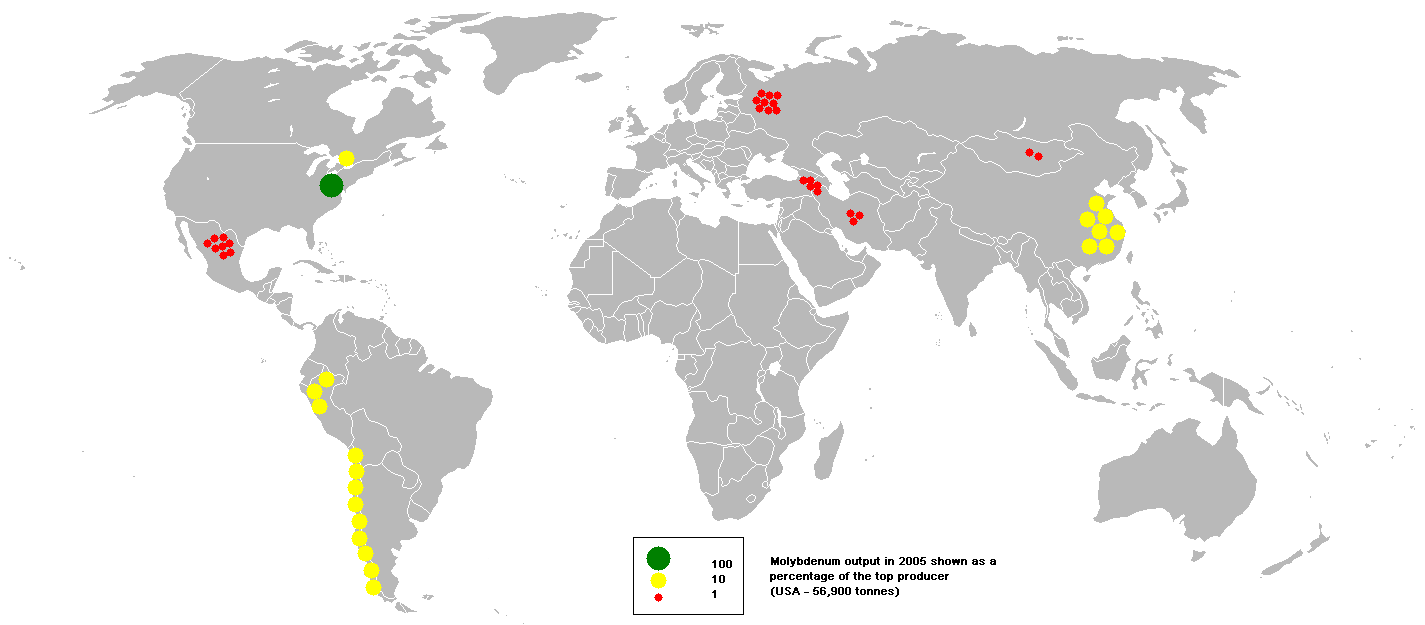
According to the United States Geological Survey (USGS) 2022 data, the global molybdenum resource reserves are approximately 18 million tons, with China having the largest share at about 46%, followed by the United States at 24%, Chile at 13%, and Peru at 10%.
| Country | Molybdenum Reserves (Million Tons) | Global Share (%) |
|---|---|---|
| China | 8.3 | 46 |
| USA | 4.3 | 24 |
| Chile | 2.3 | 13 |
| Peru | 1.8 | 10 |
| Canada | 0.9 | 5 |
| Others | 0.4 | 2 |
| Total | 18 | 100 |
2.2 Global Supply of Molybdenum Processed Products
The global supply of molybdenum processed products is mainly concentrated in China, the United States, Germany, and Japan.
According to the International Molybdenum Association (IMOA) 2022 data, the global production of molybdenum processed products was approximately 250,000 tons, with China producing about 130,000 tons (52%), the United States 50,000 tons (20%), Germany 10%, and Japan 8%.
| Country | Molybdenum Reserves (Million Tons) | Global Share (%) |
| China | 130 | 52 |
| USA | 50 | 20 |
| Germany | 25 | 10 |
| Japan | 20 | 8 |
| Others |
|
10 |
| Total | 250 | 100 |
China dominates the production of molybdenum processed products, followed by the United States and Europe, which mainly focus on high-end molybdenum materials.
2.3 Global Demand for Molybdenum Processed Products
The global demand for molybdenum processed products mainly comes from aerospace, electronics, medical, energy, and chemical industries.
According to the International Molybdenum Association (IMOA) 2022 data, the global demand for molybdenum processed products was approximately 240,000 tons, with aerospace and electronics industries accounting for the largest shares.
| Industry | Demand (Thousand Tons) | Global Share (%) |
| Aerospace | 72 | 30 |
| Electronics | 60 | 25 |
| Medical | 36 | 15 |
| Energy | 48 | 20 |
| Chemical |
24 |
10 |
| Total | 240 | 100 |
Key Industry Demand Analysis

1.Aerospace Industry
The high strength, high-temperature resistance, and corrosion resistance of molybdenum make it an ideal material for aircraft engines, nozzles, and high-temperature structural components.
As the global aviation and space exploration industries continue to expand, the demand for high-performance molybdenum processed products is expected to grow steadily.

2.Electronics Industry
The development of 5G, IoT (Internet of Things), semiconductors, and artificial intelligence has significantly increased the demand for high-purity molybdenum materials.
Molybdenum is widely used in electronic electrodes, high-frequency circuit boards, and heat dissipation components.

3.Medical Industry
Molybdenum's biocompatibility and X-ray transparency make it essential in medical imaging equipment, X-ray machines, CT scanners, and orthopedic implants.
The aging population and medical advancements will further drive demand for high-purity molybdenum processed products.

4.Energy Industry
Molybdenum is widely used in power generation, solar cells, and nuclear reactors due to its high-temperature and corrosion resistance.
As the world transitions to clean and renewable energy, the demand for molybdenum in solar and wind energy applications is expected to increase.

5.Chemical Industry
Molybdenum's corrosion resistance makes it an important material in chemical reactors, high-temperature heat exchangers, and petroleum refining equipment.
As global environmental standards become stricter, demand for high-performance corrosion-resistant materials will increase.
2.4 Supply and Demand Balance Analysis
In recent years, the global supply and demand for molybdenum processed products have remained relatively balanced.
However, supply shortages may occur in certain regions or during specific periods due to factors such as economic fluctuations, geopolitical tensions, and trade policies.
Key influencing factors include:
China's Market Influence: As the largest producer and consumer of molybdenum, China's domestic supply-demand situation directly affects global markets.
Economic Cycles: Industrial demand fluctuates based on global economic growth or recessions, impacting molybdenum consumption.
Trade Policies: Tariffs, export restrictions, and trade agreements significantly affect the global supply chain.
Overall, the supply-demand structure remains stable, but short-term fluctuations may occur due to external economic and geopolitical factors.
III. Global Price Trends of Molybdenum Processed Products
3.1 Factors Influencing Molybdenum Prices

Molybdenum processed product prices are influenced by multiple factors, mainly:
Molybdenum Ore Prices: As the main raw material, fluctuations in molybdenum ore prices directly impact processing costs.
Supply and Demand Balance: When demand exceeds supply, prices rise; when supply surpasses demand, prices fall.
Global Economic Conditions: Economic growth drives industrial demand, pushing prices higher.
Trade Policies: Import/export tariffs, quotas, and environmental regulations affect molybdenum's global market price.
Technological Advancements: Innovations in processing techniques may reduce costs and impact pricing.
3.2 Historical Price Trends (2011-2022)
| Year | Average Molybdenum Processed Product Price (USD/Ton) |
|---|---|
| 2011 | 45,000 |
| 2012 | 40,000 |
| 2013 | 35,000 |
| 2014 | 30,000 |
| 2015 | 25,000 |
| 2016 | 20,000 |
| 2017 | 25,000 |
| 2018 | 30,000 |
| 2019 | 28,000 |
| 2020 | 22,000 |
| 2021 | 28,000 |
| 2022 | 32,000 |
3.3 Current Market Price Trends (2023)
As of 2023, global molybdenum processed product prices remain at relatively high levels.
The main reasons for this include:
Global Economic Recovery: As industries rebound after the COVID-19 pandemic, demand for molybdenum has surged.
Tight Supply: Rising mining and processing costs, along with limited new molybdenum resource development, have constrained supply.
Geopolitical Factors: Trade restrictions and geopolitical tensions have affected supply chains, leading to higher prices.
Technology and Innovation: High-tech applications, particularly in semiconductors, aerospace, and renewable energy, have increased demand.
IV. Future Forecast for the Global Molybdenum Processed Products Market
4.1 Demand Growth Forecast

According to the International Molybdenum Association (IMOA), the global demand for molybdenum processed products is expected to reach 300,000 tons by 2025, with an annual growth rate of approximately 5%.
| Year | Molybdenum Processed Product Demand (Thousand Tons) | Annual Growth Rate (%) |
|---|---|---|
| 2023 | 250 | - |
| 2024 | 275 | 10 |
| 2025 | 300 | 9 |
Key Growth Drivers
1.Aerospace Industry Expansion: Growing investments in commercial aviation and space exploration will drive demand for molybdenum alloys.
2.Electronics and Semiconductor Growth: With the rise of 5G, AI, and IoT, molybdenum components will see increasing demand.
3.Renewable Energy Development: Solar panels, wind turbines, and nuclear power applications will require more high-performance molybdenum materials.
4.2 Supply Growth Forecast
The global supply of molybdenum processed products is expected to increase steadily, reaching 320,000 tons by 2025, with an annual growth rate of approximately 4%.

| Year | Molybdenum Processed Product Supply (Thousand Tons) | Annual Growth Rate (%) |
|---|---|---|
| 2023 | 280 | - |
| 2024 | 300 | 7 |
| 2025 | 320 | 6.7 |
Factors Influencing Supply
Technology Advancements: New extraction and refining technologies may increase production efficiency.
Resource Development: Further exploration of molybdenum mines in China, the US, and South America may boost supply.
Environmental Regulations: Stricter mining regulations may impact molybdenum production costs and availability.
4.3 Price Trend Forecast
In the coming years, the global price of molybdenum processed products is expected to remain relatively stable.
However, fluctuations may occur due to changes in supply and demand, economic conditions, and international trade policies.
According to the International Molybdenum Association (IMOA), by 2025, the average global price of molybdenum processed products is projected to fluctuate between $30,000 and $35,000 per ton.
| Year | Average Molybdenum Processed Product Price (USD/Ton) |
|---|---|
| 2023 | 32,000 |
| 2024 | 33,000 |
| 2025 | 34,000 |
Key Factors Influencing Future Prices
1. Supply and Demand Balance
As the aerospace, electronics, and energy industries continue to grow, the demand for molybdenum processed products is expected to increase steadily.
However, supply growth is relatively limited, which may keep prices at a high level.
If new molybdenum mines are developed or supply chain efficiencies improve, the supply pressure may ease, stabilizing prices.
2. Global Economic Conditions
If the global economy continues to grow steadily, industrial production will expand, driving up demand and keeping prices stable or slightly increasing.
If a global recession or supply chain disruptions occur, market demand may decrease, leading to potential price declines.
3. International Trade Policies
Tariffs, export restrictions, or environmental regulations could impact the global supply chain, causing short-term price fluctuations.
If major molybdenum-producing countries (such as China, the United States, and Chile) adjust their export policies, global market prices may experience volatility.
4. Production Costs and Technological Advancements
Changes in mining, refining, and processing costs, such as rising energy prices and labor costs, may push market prices higher.
If new technologies help reduce production costs, prices may face downward pressure.

4.4 Market Opportunities and Challenges
In the coming years, the global molybdenum processed product market will face both opportunities and challenges.
Businesses will need to develop appropriate strategies to adapt to market changes.
Market Opportunities
1. The Rise of Emerging Technologies
The rapid development of 5G, artificial intelligence (AI), the Internet of Things (IoT), and semiconductor technology will increase demand for high-performance molybdenum materials.
Aerospace, nuclear energy, and renewable energy industries will further expand the application of molybdenum processed products.
2. Expansion into International Markets
In the next few years, the demand for high-end molybdenum products in Asia, North America, and Europe will continue to grow.
Companies can enhance global partnerships and enter emerging markets to boost competitiveness.
3. Environmental Policies Driving Clean Energy Development
Countries are increasing investments in renewable energy (such as nuclear and solar power), boosting the demand for molybdenum processed products in high-temperature and corrosion-resistant applications.
4. Advancements in Smart Manufacturing and Automation
Increased automation and intelligent manufacturing technologies will help reduce costs, improve product quality, and enhance industry competitiveness.
Market Challenges
1. Resource Constraints and Supply Chain Risks
Although global molybdenum resources are abundant, extracting high-quality molybdenum ore is technically challenging.
If major molybdenum-producing countries face policy or environmental restrictions, supply shortages may occur.
Geopolitical conflicts and transportation bottlenecks could disrupt supply chains, affecting market stability.
2. High Technical Barriers and Market Competition
The production of high-end molybdenum processed products requires advanced manufacturing technology and strict quality control, leading to high entry barriers.
Competition among major producing countries is intensifying, requiring companies to continuously improve product quality and optimize production costs.
3. Environmental Regulations and Sustainability Requirements
Environmental protection requirements are becoming stricter worldwide.
Molybdenum mining and processing generate wastewater, exhaust gases, and solid waste, which must comply with environmental regulations, increasing operational costs.
4. Global Economic Uncertainty
Economic recessions, inflation, and interest rate fluctuations may impact demand for molybdenum processed products, leading to market volatility.
V. Conclusion
5.1 Summary of Supply and Demand
In recent years, the global molybdenum processed products market has maintained a basic balance between supply and demand.China, the United States, and Chile are the main molybdenum resource suppliers, while the aerospace, electronics, medical, and energy industries are the primary consumers.Over the next few years, the global demand for molybdenum processed products is expected to grow at an annual rate of approximately 5%, while supply growth will be around 4%.As a result, the overall supply-demand relationship is expected to remain stable.
5.2 Summary of Price Trends
Over the past decade, the price of molybdenum processed products has experienced multiple fluctuations, influenced by global economic conditions, supply and demand balance, and trade policies.By 2025, the price of molybdenum processed products is expected to fluctuate between $30,000 and $35,000 per ton.In the short term, price volatility may occur due to supply shortages or economic fluctuations.
5.3 Market Outlook and Development Direction
In the coming years, the global molybdenum processed products market will continue to experience steady growth.
Market demand will be driven by:
High-end manufacturing
Emerging technologies (5G, semiconductors, aerospace)
Clean energy industries
Key Areas of Focus for Enterprises
1.Technological Innovation
Enhance production processes, reduce manufacturing costs, and improve product quality to meet high-end market demands.
2.Expansion into International Markets
Strengthen global supply chain cooperation and enter rapidly growing emerging markets.
3.Sustainability and Environmental Protection
Comply with global environmental regulations, promote green production, and enhance corporate social responsibility.
4.Risk Management
Improve supply chain management to mitigate risks related to raw material price fluctuations and policy changes.
5.4 Business Recommendations
For molybdenum processed product manufacturers and investors, the following strategies can help them gain a competitive advantage in the market:
1.Plan ahead for the high-end market: Enhance the precision processing capabilities of molybdenum materials and expand applications in semiconductors, aerospace, and new energy industries.
2.Strengthen supply chain management: Optimize raw material procurement to mitigate risks associated with supply shortages and price fluctuations.
3.Improve automation and intelligent manufacturing: Reduce production costs and increase manufacturing efficiency through technological advancements.
4.Monitor international market trends: Adjust export strategies based on trade policies and seize global market opportunities.

The global molybdenum processed product market is in a stable growth phase. In the coming years, the rapid development of high-end manufacturing, the promotion of clean energy, and the application of emerging technologies will further expand market demand.However, the industry also faces challenges such as resource supply constraints, environmental regulations, and technological barriers.To remain competitive and achieve sustainable growth, businesses and investors must:
1.Closely monitor supply and demand changes
2.Track price trends
3.Stay informed about global trade policies
4.Adopt proactive and flexible business strategies
By taking the right steps, companies can seize new opportunities, overcome challenges, and ensure long-term success in the global molybdenum market.