

As the global energy landscape shifts toward cleaner and lower-carbon solutions, Solid Oxide Fuel Cells (SOFCs) have emerged as a leading technology in fuel cell development due to their high efficiency, low emissions, and wide fuel adaptability. SOFC power generation systems, centered around fuel cell stacks, efficiently convert the chemical energy of fuels directly into electricity. They are widely used in portable power sources, residential combined heat and power (CHP) systems, automotive auxiliary power units (APU), range extenders, and distributed power generation for fixed power stations.
This article provides an in-depth exploration of SOFC power generation system classifications, technical features, and industry trends.

1. Overview of SOFC Power Generation Systems
SOFCs are high-temperature fuel cells, operating within a temperature range of 600-1000°C. Their electrochemical reaction relies on oxygen ion migration through a solid electrolyte. Compared to proton exchange membrane fuel cells (PEMFCs), SOFCs offer several advantages:
1.Wide fuel flexibility: Can directly utilize natural gas, methanol, ethanol, hydrogen, coal-derived gas, and other fuels.
2.High electrical efficiency: Achieves 50%-65% efficiency, with an overall energy utilization rate exceeding 85% when integrated with CHP systems.
3.No precious metal catalysts: Does not require platinum catalysts, significantly reducing costs.
4.Long lifespan and low degradation rate: Offers greater longevity and lower performance degradation compared to other fuel cells.
Although SOFCs have longer startup times compared to some other fuel cells, users prioritize startup time, electrical efficiency, overall energy utilization, system lifespan, and degradation rate when considering SOFC systems.
Based on power output requirements and application scenarios, SOFC power generation systems are classified as follows:
2. Classification and Technical Features of SOFC Power Generation Systems
|
System Type |
Power Output Range |
Key Technical Focus |
Common Fuel Cell & Stack Type |
Fuel Type |
Representative Companies |
|
Portable Power |
<200W |
Fast startup (<30 min), high thermal shock resistance, durable thermal cycling |
Micro-tubular cells & stacks |
Alcohol-based fuels, butane |
Ultra-AMI |
|
Residential CHP (Combined Heat and Power) |
1-5kW |
Long-term stability (>40,000h), safe and reliable power and heat supply |
Planar & flat-tube stacks |
Natural gas, city gas, biogas |
Osaka Gas, Solidpower, Ceres Power |
|
Automotive APU & Range Extenders |
5-10kW |
Fast startup, shock resistance, durable thermal cycling, high electrical efficiency |
Metal-supported cells & stacks |
Gasoline, diesel |
Delphi, AVL, Nissan |
|
Distributed Power Generation & Fixed Power Stations |
>100kW |
Long lifespan (>80,000h), high efficiency, modular design for easy scalability |
Planar/tubular cells & stacks |
Natural gas, coal-derived gas, biomass gas |
Bloom Energy, MHI, Fuel Cell Energy |
Each of these SOFC systems has distinct design priorities, fuel compatibility, and technical requirements based on their application environment and performance expectations.
3.Portable SOFC Power Systems: Lightweight, Efficient, and Versatile
Portable SOFC power systems typically have a power output of less than 200W and are designed for personal electronic devices, small drones, unmanned vehicles, field research equipment, and military communication systems. Compared to traditional lithium batteries or internal combustion engine generators, SOFC portable power systems offer several advantages:
High fuel energy density: Unlike lithium batteries, SOFC portable power systems can directly use liquid fuels such as methanol and butane, extending operational time while reducing weight.
Stable long-term power supply: Compared to fuel-powered generators, SOFC systems have higher energy conversion efficiency, require less frequent refueling, and operate silently, without vibration or pollutant emissions.
High-temperature tolerance: SOFC systems can function in extreme environments, including high temperatures, freezing cold, and low-oxygen conditions, making them suitable for high-altitude research, desert expeditions, and deep-sea operations.

Technical Challenges
1.Fast thermal startup: Portable power systems require a startup time of less than 30 minutes to meet the needs of emergency and outdoor applications. Optimizing fuel cell materials and fuel supply strategies is key to improving startup speed.
2.Thermal cycling durability: Portable SOFC systems must endure hundreds of thermal cycles, preventing material expansion, delamination, and cracking caused by temperature fluctuations.
3.Miniaturized integration: A complete SOFC portable power system requires fuel supply systems, burners, heat exchangers, and other components. Achieving high energy conversion efficiency within a compact design remains an engineering challenge.
Leading Research and Applications
Ultra-AMI Portable SOFC: Ultra-AMI, a U.S.-based company, has developed single-soldier portable SOFC power systems, widely used in military applications such as field communication, night vision, and surveillance, significantly enhancing soldiers' operational endurance.
AIST (National Institute of Advanced Industrial Science and Technology, Japan): Professor Suzuki's team has been conducting in-depth research on micro-tubular SOFCs, developing high energy density cells for compact applications.
Long-endurance drones: SOFC portable power systems have been applied to long-range drones and autonomous underwater vehicles, utilizing high-energy-density fuels to extend operational duration.
As micro-SOFC technology continues to evolve, portable power systems are expected to expand into smart wearable devices, outdoor exploration equipment, and emergency rescue systems.
4.Residential CHP Systems: High Efficiency and a Green Energy Revolution
Residential Combined Heat and Power (CHP) systems integrate electricity generation and heating, making them ideal for houses, apartments, villas, and rural homes. These systems improve fuel efficiency and enable households to become more energy self-sufficient.

Key Advantages
1.High overall efficiency: Traditional coal-fired power plants have an efficiency of only 30%-40%, whereas SOFC CHP systems achieve 45%-60% electrical efficiency. When waste heat is recovered for heating or hot water, total energy utilization reaches 85%-90%.
2.Long lifespan and low maintenance: SOFC stacks are designed to last 40,000-80,000 hours, significantly outlasting traditional internal combustion generators. Additionally, SOFCs operate without mechanical vibration, reducing maintenance costs.
3.Flexible fuel options: These systems can run on natural gas, coal gas, and biogas, utilizing existing gas infrastructure without requiring additional hydrogen refueling stations.
Technical Challenges
1.Stack lifespan and degradation rate: To ensure over 10 years of stable operation, SOFC stack degradation must be kept below 0.1% per 1,000 hours, requiring highly durable materials.
2.Dynamic load adjustment: Household electricity demand fluctuates throughout the day. SOFC CHP systems need flexible load adjustment capabilities to maintain stable operation, especially during nighttime low-load periods, without frequent shutdowns and startups.
3.Safety design: Residential users demand high safety standards. CHP systems must include gas leakage detection, automatic shutdown protection, and smart monitoring for enhanced reliability.
Market Applications and Leading Companies
Osaka Gas (Japan): Successfully deployed 1-5 kW SOFC CHP systems for homes and commercial buildings in Japan.
Solidpower (Germany): Their BlueGen SOFC CHP system has been widely adopted across multiple European countries, supporting natural gas and biogas.
Ceres Power (UK): Developed a metal-supported SOFC CHP solution with high efficiency and lower costs, making it an attractive option for home energy solutions.
With the push for global carbon neutrality, SOFC CHP systems are becoming a key component of residential clean energy solutions, driving the expansion of distributed energy networks worldwide.
5.Automotive SOFC: Auxiliary Power Units (APU) and Range Extenders
SOFC technology is increasingly used in automotive applications, primarily as Auxiliary Power Units (APU) and Range Extenders (REEV). These solutions address the limitations of electric vehicles' range and the inconvenience of hydrogen refueling.

Key Advantages
1.No need for hydrogen refueling infrastructure: Unlike hydrogen fuel cells, SOFCs can operate using gasoline, diesel, and liquefied natural gas (LNG), eliminating the need for costly hydrogen refueling stations.
2.High electrical efficiency: SOFCs achieve an electrical efficiency of 45%-55%, significantly reducing fuel consumption compared to internal combustion engine generators.
3.Quiet and low emissions: SOFC APUs operate with minimal noise and lower emissions, making them ideal for long-haul trucks, RVs, and military vehicles.
Technical Challenges
1.Startup speed: SOFCs typically take several minutes to tens of minutes to reach operating temperature. Reducing this startup time is crucial for automotive applications.
2.Vibration resistance: Vehicle environments are harsh, requiring SOFCs to be highly resistant to shock and vibration to prevent structural damage.
3.Fuel adaptability: Efficient fuel reforming systems are needed to extract hydrogen from gasoline or diesel, improving overall system efficiency.
Leading Companies and Applications
Delphi (USA): Developed diesel-powered SOFC APUs for long-haul trucks, providing high-efficiency auxiliary power.
AVL (Austria): Launched an SOFC range extender system for electric vehicles, increasing driving range.
Nissan (Japan): Developed a flexible-fuel SOFC vehicle power system, capable of running on bioethanol, gasoline, and other conventional fuels.
SOFCs are expected to play a larger role in range-extended electric vehicles (REEVs), commercial trucks, and long-distance travel RVs.
6. Distributed SOFC Power Generation and Fixed Power Stations: High Efficiency and Energy Transition
Distributed SOFC power generation and fixed power stations are primarily used in industrial parks, data centers, commercial buildings, hospitals, universities, and military bases, where stable and efficient power supply is essential. Compared to traditional coal-fired and gas-fired power plants, SOFC-based fixed power stations offer high energy efficiency, low emissions, modular design, and extended lifespan, making them a key component of the future distributed energy landscape.
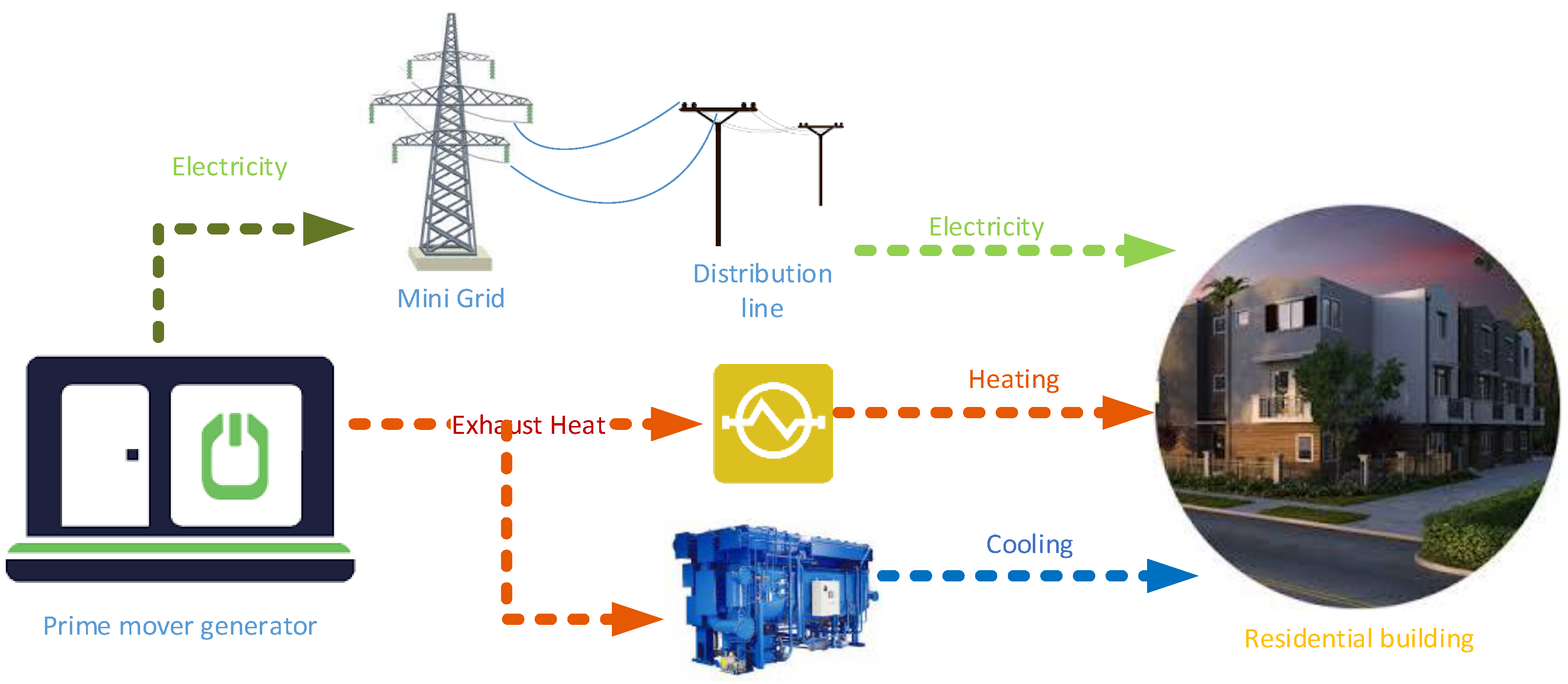
Key Technical Features
SOFC distributed power systems typically operate at 100 kW or higher, with some systems scalable to megawatt (MW) levels. The core features of these systems include:
1.Ultra-high electrical efficiency (>60%)
Traditional coal-fired power plants operate at 35%-40% efficiency, whereas SOFC power stations achieve efficiencies exceeding 60%, significantly reducing fuel consumption and emissions.
2.Extended lifespan (>80,000 hours)
SOFC power stations are designed to last 8-10 years or longer, far surpassing gas turbines and diesel generators while minimizing operational and maintenance costs.
3.Modular architecture for scalability and easy maintenance
SOFC power stations use a modular stack design, allowing for easy capacity expansion and component replacement, ensuring long-term stable operation.
4.Flexible fuel options, supporting the energy transition
These systems can utilize natural gas, coal gas, biogas, and synthetic fuels, while also being compatible with future hydrogen energy applications, making them a strategic choice for renewable energy integration.
Technical Challenges
Despite its advantages, SOFC-based distributed generation systems face several challenges:
1.High-temperature management and material durability
SOFCs operate at 600-1000°C, requiring high-temperature-resistant materials and advanced thermal management systems to prevent degradation and ensure long-term stability.
2.Stack performance degradation
Over time, SOFC stacks experience performance losses due to electrode and electrolyte wear, requiring material innovation to enhance longevity.
3.Fuel purification and emissions control
Impurities such as sulfur and carbon particulates in gas fuels can degrade SOFC performance. Efficient fuel purification technologies are necessary to maintain system efficiency and reliability.
Leading Companies and Market Applications
Several global companies have successfully developed and commercialized SOFC-based distributed power systems:
1.Bloom Energy (USA)
Developed 100 kW and 200 kW SOFC modules, which can be combined to form MW-scale power plants.
Their SOFC power stations have been deployed at Google, FedEx, eBay, and Walmart, achieving significant energy savings.
2.MHI (Mitsubishi Heavy Industries, Japan)
Introduced MW-class SOFC power stations, supporting intelligent grid integration and industrial applications.
3.Fuel Cell Energy (USA)
Focuses on MW-scale SOFC power stations, with commercial installations in multiple public and private sector facilities across the United States.
4.Ceres Power (UK)
Developed metal-supported SOFC technology, offering cost-effective and scalable distributed power solutions.
As SOFC technology advances, data centers, hospitals, and commercial buildings are expected to increasingly adopt SOFC power systems as a primary or backup energy source, enhancing grid stability and sustainability.
7. Future Outlook for SOFC Technology
As the global energy landscape shifts toward decarbonization, distributed generation, and diversified energy sources, SOFC technology holds immense potential. Several key trends will shape its future development:

Advancements in Materials and Manufacturing
Low-temperature SOFC (LT-SOFC): Lowering operating temperatures to 500-700°C reduces material costs and enhances system durability.
Nano-materials and advanced coatings: Improving electrode and electrolyte stability to extend stack lifespan.
3D printing and smart manufacturing: Optimizing SOFC structures for higher efficiency and lower production costs.
Integration with Renewable Energy
SOFC and Hydrogen Economy
SOFCs can directly utilize hydrogen or integrate with water electrolysis systems, enabling a closed-loop hydrogen energy ecosystem.
SOFC in Solar and Wind Hybrid Systems
SOFCs can complement solar and wind power, providing stable baseload power to mitigate renewable energy fluctuations.
SOFC in Smart Grids and Energy Internet
As part of urban smart energy networks, SOFCs can enhance local energy resilience, reducing reliance on centralized power grids.
8. Conclusion
Solid Oxide Fuel Cells (SOFC) are emerging as a high-efficiency, low-emission, and fuel-flexible power generation solution across multiple sectors. Whether in portable power systems, residential CHP units, automotive auxiliary power, or large-scale distributed power generation, SOFC technology is steadily advancing toward commercial adoption.

Portable SOFC systems are finding applications in military operations, field research, and unmanned aerial vehicles, offering a lightweight and long-endurance power solution. Residential CHP systems are helping homes and businesses improve energy efficiency and reduce carbon footprints. Automotive SOFC applications are enhancing electric vehicle range and reducing fuel consumption. In the industrial and commercial sectors, SOFC distributed power stations are providing clean, reliable, and scalable energy solutions.
With continued innovation in materials, system integration, and fuel flexibility, SOFC technology is set to play a pivotal role in the global transition toward a sustainable energy future.
For companies seeking high-quality SOFC components, Ehisen Metal provides customized metal-supported fuel cell components, high-performance anode and cathode materials, and advanced sealing solutions. With deep expertise in metal processing and fuel cell materials, we offer tailored solutions for SOFC manufacturers, researchers, and energy companies. Contact us today to explore how our SOFC components can enhance the efficiency and durability of your fuel cell systems.