

Introduction
Choosing the right anode material for various industrial processes can significantly impact the efficiency, cost, and longevity of operations. With various options available, from magnesium to aluminum, understanding the unique advantages of titanium anodes is crucial. This article provides an in-depth look at titanium anodes, their types, comparisons with other materials, and their applications in different industries.
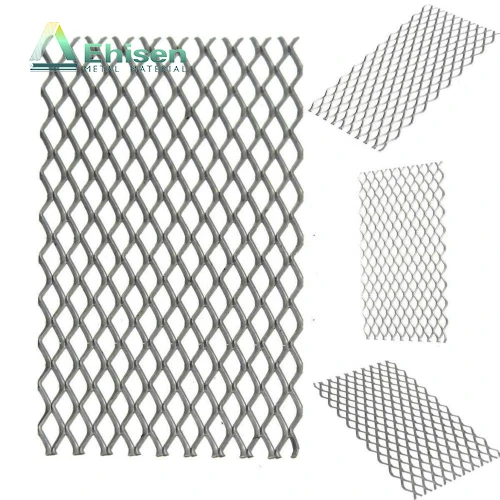
What Makes Titanium a Good Anode?
Titanium anodes are known for their exceptional corrosion resistance, durability, and efficiency, making them a preferred choice in industries such as electroplating, water treatment, and cathodic protection. They outperform other anode materials like aluminum and magnesium in several key areas, including longevity and environmental impact.
Before diving into the details, let's explore the different types of titanium anodes and their unique characteristics.
Section 1: Types of Titanium Anodes
Platinized Titanium Anodes
Platinized titanium anodes consist of a titanium substrate coated with a thin layer of platinum. This combination leverages the excellent corrosion resistance of titanium and the superior conductivity of platinum. Platinized anodes are widely used in applications requiring high conductivity and resistance to corrosion.
Applications: Electroplating, cathodic protection, and various electrochemical processes.
Advantages: These anodes offer excellent conductivity, high corrosion resistance, and a long service life, making them ideal for demanding environments.

Mixed Metal Oxide (MMO) Titanium Anodes
Mixed Metal Oxide (MMO) titanium anodes feature a titanium base coated with a layer of mixed metal oxides, such as ruthenium, iridium, or tantalum oxides. This type of anode is favored for its stability and efficiency in electrochemical processes.
Applications: MMO titanium anodes are commonly used in water treatment, the chlor-alkali industry, and for protecting steel structures.
Advantages: High stability, long operational life, and lower operating costs compared to platinum-coated anodes make MMO titanium anodes a cost-effective solution.

Titanium Substrate Lead Dioxide Anodes
Titanium substrate lead dioxide anodes are titanium-based anodes coated with lead dioxide. These anodes are particularly suited for applications requiring high oxygen overpotential.
Applications: Commonly used in the production of organic chemicals and wastewater treatment.
Advantages: They offer high overpotential for oxygen evolution, excellent mechanical strength, and durability, making them suitable for heavy-duty industrial processes.

Iridium Oxide Coated Titanium Anodes
Iridium oxide-coated titanium anodes consist of a titanium substrate with a coating of iridium oxide. This combination is known for its exceptional catalytic properties and corrosion resistance.
Applications: These anodes are often used in chlorine production, metal recovery, and other electrochemical processes where high efficiency and durability are required.
Advantages: The iridium oxide coating provides excellent corrosion resistance and high catalytic activity, extending the lifespan of the anode.

Ruthenium Oxide Coated Titanium Anodes
Ruthenium oxide-coated titanium anodes are designed for applications requiring high catalytic performance and resistance to corrosive environments.
Applications: Widely used in the chlor-alkali industry and other processes involving the evolution of chlorine gas.
Advantages: These anodes offer high chlorine evolution efficiency, durability, and resistance to chemical attack, making them ideal for harsh industrial environments.

Palladium Coated Titanium Anodes
Palladium-coated titanium anodes, though less common, are used in specific electrochemical applications where palladium's unique properties are advantageous.
Applications: These anodes are employed in specialized electrolysis processes and some forms of electroplating.
Advantages: Palladium coating provides high corrosion resistance and good catalytic properties, making these anodes suitable for niche industrial applications.

Titanium Anodes for Cathodic Protection
Titanium anodes are widely used in cathodic protection systems to prevent the corrosion of steel structures, such as pipelines, offshore platforms, and ship hulls. These anodes can be coated with mixed metal oxides or platinum to enhance their performance.
Applications: Cathodic protection of pipelines, offshore structures, and ship hulls.
Advantages: Titanium anodes in cathodic protection systems offer long-lasting protection, are effective in harsh environments, and require minimal maintenance.

Section 2: Comparing Titanium Anodes with Other Anode Materials

Titanium vs. Aluminum Anodes
Aluminum is a commonly used anode material, particularly in applications where cost efficiency is a priority. Aluminum anodes are often chosen for their balance of performance and cost, but how do they compare to titanium?
Corrosion Resistance: While aluminum anodes perform well in certain conditions, they are more susceptible to corrosion, especially in saltwater environments. In contrast, titanium anodes offer superior corrosion resistance, even in harsh electrolytic cells.
Durability: Titanium anodes have a longer working life than aluminum anodes, making them more cost-effective over time despite the higher initial investment.
Power Efficiency: Titanium anodes operate at a lower working voltage, resulting in reduced power consumption and operational costs. This makes them a more efficient choice in processes where energy use is a concern.
Titanium vs. Magnesium Anodes
Magnesium anodes are known for their high activity and are commonly used in freshwater environments as sacrificial anodes. Here's how they compare to titanium:
Corrosion Rate: Magnesium anodes corrode faster than titanium, which means they require more frequent replacement. Titanium's corrosion resistance allows it to last longer in a variety of environments.
Environmental Impact: While magnesium anodes are effective, their frequent need for replacement increases their environmental impact. Titanium anodes, due to their longevity, are a more sustainable option.
Application Suitability: Magnesium is ideal for specific applications like freshwater tanks, where its properties are most beneficial. Titanium, however, is more versatile and can be used across a broader range of environments, including marine and industrial settings.


Titanium vs. Nickel Anodes
Nickel is another material used in anode applications, particularly in Solid Oxide Fuel Cells (SOFCs) due to its catalytic properties. Let's see how titanium stacks up:
Chemical Stability: Nickel anodes offer excellent chemical stability, especially when used in combination with other materials like yttria-stabilized zirconia (YSZ). Titanium, however, is inherently stable and doesn't require such combinations, making it a simpler and more straightforward choice in many applications.
Versatility: Titanium anodes are more versatile, with applications across various industries beyond just fuel cells, such as water treatment and electroplating.
Cost: While nickel anodes are effective, the overall cost of titanium anodes, when considering their durability and efficiency, often makes them a more economical choice in the long run.
Titanium vs. Zinc Anodes
Zinc anodes are commonly used for cathodic protection, particularly in marine environments. How do they compare to titanium?
Corrosion Rate: Zinc anodes corrode at a controlled rate, providing sacrificial protection for other metals. Titanium anodes, however, do not corrode, offering a non-sacrificial form of protection.
Environmental Considerations: Zinc anodes, while effective, can introduce heavy metals into the environment as they corrode. Titanium anodes, with their longer lifespan and non-sacrificial nature, offer a more environmentally friendly solution.
Industry Preference: While zinc is preferred in some marine applications due to its effectiveness and cost, titanium is often chosen for its durability and lower environmental impact, especially in industries where these factors are paramount.


Titanium vs. Graphite Anodes
Graphite anodes are used in a variety of electrochemical processes, particularly where cost is a significant factor. Here's how titanium compares:
Durability: Graphite anodes, while cost-effective, tend to wear out faster than titanium. Titanium anodes offer much longer service life, reducing the need for frequent replacements.
Efficiency: Titanium anodes typically offer higher efficiency in electrochemical processes, especially in environments that are highly corrosive.
Application Suitability: While graphite anodes are suitable for certain low-cost applications, titanium anodes are preferred in industries where longevity and reliability are critical, such as in chemical production and water treatment.
Section 3: Applications of Titanium Anodes in Specific Industries

Water Treatment and Electrolysis
Titanium anodes are widely used in water treatment and electrolysis due to their high corrosion resistance and efficiency. They are especially valued in these applications for their ability to operate effectively over long periods, even in harsh environments.
Efficiency: The low working voltage of titanium anodes results in lower energy consumption, making the process more cost-effective.
Durability: Titanium's resistance to corrosion means that it can handle the oxidative stress in water electrolysis without degrading quickly, providing a longer lifespan for the anode.
Chlor-Alkali Industry
In the chlor-alkali industry, titanium anodes are essential in the diaphragm cell electrolysis process. This industry requires materials that can withstand highly corrosive environments, and titanium excels in this regard.
Corrosion Resistance: The chlor-alkali process involves the production of chlorine and caustic soda, both of which are highly corrosive. Titanium anodes are resistant to both chlorine and alkali corrosion, making them ideal for this application.
Long Life: Titanium anodes have a significantly longer working life compared to traditional materials, reducing the need for frequent replacements and downtime.


Electroplating
Titanium anodes are a preferred choice in electroplating processes due to their durability and efficiency. They are particularly valuable in high-demand electroplating applications where consistent performance is critical.
Quality: Titanium anodes produce high-quality electroplated products, ensuring a consistent and reliable finish.
Durability: The long lifespan of titanium anodes reduces the need for frequent replacements, lowering operational costs in the long run.
Cathodic Protection
Titanium anodes play a crucial role in cathodic protection systems, which are used to prevent the corrosion of steel structures, such as pipelines, offshore platforms, and ship hulls.
Protection: Titanium anodes provide long-lasting protection against corrosion, extending the life of critical infrastructure.
Maintenance: These anodes require minimal maintenance, making them a cost-effective solution for protecting valuable assets in harsh environments.


Chemical Production
Titanium anodes are used in the production of various chemicals, particularly in processes where high purity and efficiency are required.
Purity: Titanium anodes contribute to the production of high-purity chemicals, reducing the risk of contamination.
Efficiency: The efficiency of titanium anodes in chemical production processes helps lower operational costs and improve overall productivity.
Other Emerging Industries
Titanium anodes are also finding applications in emerging industries, such as renewable energy, where their durability and efficiency are particularly advantageous.
Renewable Energy: In renewable energy applications, titanium anodes are being used in processes such as hydrogen production and energy storage, where their long lifespan and high efficiency are critical.
Future Potential: As industries continue to evolve, the demand for high-performance anodes like those made from titanium is expected to grow, particularly in sectors focused on sustainability and efficiency.

Section 4: Future Trends and Innovations in Titanium Anodes

Advancements in Coating Technologies
The performance of titanium anodes is continually being enhanced through advancements in coating technologies. New coatings are being developed to improve the efficiency, durability, and overall performance of titanium anodes in various applications.
Innovation: Research and development in this area are leading to more cost-effective and longer-lasting anode solutions, which are crucial for industries aiming to reduce operational costs and environmental impact.
Performance: Enhanced coatings are enabling titanium anodes to perform even better in demanding environments, further solidifying their place in industrial processes.
Sustainability Considerations
As industries shift towards more sustainable practices, titanium anodes are becoming increasingly important. Their long lifespan and efficiency contribute to reducing waste and energy consumption.
Environmental Impact: Titanium anodes offer a more environmentally friendly alternative to other materials, particularly in applications where longevity and efficiency are critical.
Sustainability Goals: Industries focused on achieving sustainability goals are likely to increase their adoption of titanium anodes, as they offer both performance and environmental benefits.
Market Trends and Predictions
The market for titanium anodes is expected to grow as more industries recognize their benefits. With the increasing focus on sustainability and efficiency, the demand for high-performance anodes like those made from titanium is likely to rise.
Growth Areas: Key growth areas include water treatment, renewable energy, and high-demand industrial processes where efficiency and durability are paramount.
Future Outlook: As technology continues to advance, the capabilities of titanium anodes will likely expand, opening up new applications and further solidifying their role in various industries.
Summary and Conclusion
In summary, titanium's unique combination of durability, efficiency, and resistance to corrosion makes it a standout choice for various industrial applications. Whether you're working in electrolysis, chemical production, or another field, titanium anodes could provide the reliability and performance you need. As industries continue to evolve, the importance of choosing the right anode material will only grow, making titanium anodes an increasingly valuable asset in ensuring the efficiency and sustainability of industrial processes.