

1. Introduction to Titanium Anodes and Their Industrial Significance

1.1 What Are Titanium Anodes?
Titanium anodes are electrochemical workhorses engineered for extreme environments. Comprising a titanium substrate coated with catalytic metal oxides (e.g., IrO₂, RuO₂, Ta₂O₅), they outperform traditional materials like graphite or platinum in durability, efficiency, and cost-effectiveness. Their applications span industries requiring high current efficiency and resistance to aggressive media, such as:
Chlor-alkali electrolysis (chlorine, caustic soda production),
Seawater cathodic protection (offshore oil rigs, ship hulls),
Industrial electroplating (copper, nickel, zinc refining).
The titanium substrate's passive oxide layer (TiO₂) provides inherent corrosion resistance, while the applied coatings enable tailored electrochemical reactions.
1.2 Key Advantages of Titanium Substrates
Corrosion Resistance: Titanium's TiO₂ layer resists attack from acids (e.g., HCl, H₂SO₄) and alkalis (e.g., NaOH).
Lightweight Design: 40% lighter than equivalent steel-based anodes, reducing structural load in large electrolyzers.
Thermal Stability: Withstands sintering temperatures up to 600°C without warping.
1.3 The Role of Coatings
Coatings transform inert titanium into an electrochemically active surface. For instance:
IrO₂-based coatings excel in oxygen evolution reactions (OER) for acidic water splitting.
RuO₂-based coatings dominate chlorine evolution reactions (CER) in brine electrolysis.
Multilayer coatings combine functionalities, such as a RuO₂ base for activity and an IrO₂ top layer for durability.
Without optimized sintering, however, coatings risk delamination, cracking, or rapid deactivation.
2. Fundamentals of Titanium Anode Coating Materials

2.1 Common Coating Compositions
Iridium Oxide (IrO₂)
Applications: PEM electrolyzers, acidic wastewater treatment.
Advantages:
Exceptional stability in low-pH, high-oxygen environments.
Low chlorine evolution efficiency minimizes side reactions.
Limitations: High cost (~$150/g Ir) and brittleness.
Ruthenium Oxide (RuO₂)
Applications: Chlor-alkali electrolysis, organic pollutant oxidation.
Advantages:
High CER efficiency (>95%) in NaCl brine.
Cost-effective (~$20/g Ru) compared to IrO₂.
Limitations: Dissolves in oxygen-rich electrolytes over time.
Mixed Metal Oxides (MMO)
Examples: RuO₂-Ta₂O₅ (70:30), IrO₂-Ta₂O₅ (50:50).
Design Philosophy: Ta₂O₅ acts as a stabilizer, reducing crystallite growth and enhancing adhesion.
2.2 Material Selection Criteria
| Property | IrO₂ | RuO₂ | Ta₂O₅ |
|---|---|---|---|
| Conductivity (S/cm) | 10² | 10³ | 10⁻⁵ |
| Stability in HCl | Excellent | Poor | Excellent |
| Cost | High | Moderate | Low |
2.3 Challenges in Coating Adhesion
Titanium's native TiO₂ layer (5–20 nm thick) inhibits direct bonding. Solutions include:
1.Mechanical Roughening: Sandblasting (Al₂O₃ grit) creates a 1–5 μm surface profile for mechanical interlocking.
2.Chemical Etching: Immersion in oxalic acid (10%, 80°C, 2 hours) generates micro-pits for precursor infiltration.
3.Thermal Pretreatment: Heating at 400°C in air forms a porous TiO₂ layer that anchors coatings.
3. The Science of Coating Sintering


3.1 What Is Sintering? Definition and Thermodynamic Principles
Sintering is a thermal treatment process that bonds metallic or ceramic particles into a coherent, dense structure without melting the primary material. For titanium anode coatings, sintering transforms loosely adhered precursor layers (e.g., metal salt solutions or oxide powders) into a stable, electrochemically active surface. The process relies on atomic diffusion driven by high temperatures, enabling particle coalescence and pore elimination.
Key thermodynamic principles include:
Surface Energy Reduction: Particles fuse to minimize surface area, lowering Gibbs free energy.
Neck Formation: Initial bonding at particle contact points ("necks") via diffusion.
Grain Growth: Coarsening of crystalline domains at prolonged sintering times.
For mixed metal oxide (MMO) coatings, sintering ensures the formation of solid solutions (e.g., IrO₂-Ta₂O₅), where tantalum stabilizes the iridium oxide lattice against crystallographic degradation during electrolysis.
3.2 Sintering Process Parameters: Temperature, Time, and Atmosphere
The quality of sintered coatings depends on precise control of three variables:
Temperature: Typically ranges from 350°C to 600°C for MMO coatings.
Lower temperatures (<400°C) yield amorphous structures with high porosity, suitable for catalytic applications.
Higher temperatures (>500°C) promote crystallization and densification, enhancing mechanical stability.
Time: Sintering durations vary from 10 minutes to 2 hours.
Short cycles reduce interlayer diffusion in multilayer systems but risk incomplete bonding.
Prolonged heating may degrade the titanium substrate's passivation layer (TiO₂).
Atmosphere:
Air: Common for RuO₂-based coatings; oxygen aids oxide formation.
Inert Gas (N₂, Ar): Prevents oxidation of sensitive substrates or precursor alloys.
Reducing Atmospheres (H₂): Rarely used, but can enhance adhesion for certain noble metal coatings.
3.3 Phase Transformation and Microstructure Development
During sintering, precursor compounds (e.g., chlorides or nitrates) decompose into oxides, followed by phase transitions:
Dehydration: Removal of solvent residues (100–200°C).
Calcination: Thermal decomposition of metal salts into oxides (300–400°C).
Crystallization: Growth of oxide crystals (e.g., rutile IrO₂ or RuO₂) above 450°C.
Microstructural analysis via SEM reveals:
Columnar Grains: Vertically aligned crystals in IrO₂ coatings, favoring electron transfer.
Crack Networks: Controlled microcracks in RuO₂-Ta₂O₅ coatings relieve thermal stress.
Porosity: 10–30% void fraction in catalytic layers to increase active surface area.
3.4 Impact of Sintering on Coating Properties
Adhesion: Poor sintering causes delamination under high current density. Optimal bonding requires a 50–100 nm interfacial TiO₂ layer between the coating and substrate.
Conductivity: Crystalline coatings exhibit lower resistivity (e.g., 10⁻⁴ Ω·cm for IrO₂ vs. 10⁻² Ω·cm for amorphous Ta₂O₅).
Corrosion Resistance: Dense, crack-free sintered layers minimize chloride ion penetration in seawater applications.
4. Multilayer Coating Technology: Revolutionizing Anode Performance

4.1 Layer-by-Layer Design: Engineering Excellence
The multilayer coating architecture represents a significant breakthrough in titanium anode technology, offering unprecedented control over electrochemical performance and durability. This sophisticated design comprises three strategically engineered layers, each serving a distinct purpose:
Adhesion Layer (Ta₂O₅, 0.1-0.5 μm):
This foundational layer solves the critical challenge of bonding metal oxides to the titanium substrate. The tantalum oxide forms a chemically stable interface that:
Creates oxygen vacancies in the TiO₂ passivation layer, enabling atomic-level bonding
Accommodates thermal expansion mismatches (CTE: TiO₂=8.5×10⁻⁶/K vs Ta₂O₅=3.6×10⁻⁶/K)
Prevents interdiffusion of substrate elements into catalytic layers
Catalytic Base Layer (RuO₂-Ta₂O₅, 5-10 μm):
The workhorse of the system, this layer is optimized for maximum electrochemical activity:
Composition typically follows a 70:30 molar ratio for optimal conductivity/stability balance
Microstructure features controlled microcracks (1-3 μm spacing) that increase active surface area by 300%
Doping with 5-10% SnO₂ enhances chlorine evolution efficiency to >98%
Protective Top Layer (IrO₂-Ta₂O₅, 2-5 μm):
This armor-like layer provides defense against degradation mechanisms:
50:50 composition creates a nanocomposite structure with IrO₂ nanocrystals (20-50 nm) in a Ta₂O₅ matrix
Oxygen diffusion coefficient reduced to 10⁻¹⁴ cm²/s, 100× lower than RuO₂
Engineered porosity (10-15%) maintains ionic access while blocking aggressive species
4.2 Performance Benefits:
Extended Lifetime:
8-12 year operational life in chlor-alkali service (vs 3-5 years for conventional anodes)
Degradation rate reduced to <0.5 μm/year in 32% HCl at 90°C
Maintains <10% efficiency loss after 50,000 operating hours
Voltage Savings:
0.2V reduction in cell potential (from 3.1V to 2.9V at 4 kA/m²)
For a 100 kA plant: Annual energy savings exceed 1.4 GWh (≈$50,000)
Current density capability increased to 10 kA/m² without passivation
Economic Impact:
ROI period reduced from 18 to 9 months
Downtime for replacement cut by 60%
Noble metal loading reduced 30% through optimized distribution
5. Advanced Sintering Techniques
5.1 Conventional Furnace Sintering vs. Rapid Thermal Processing (RTP)
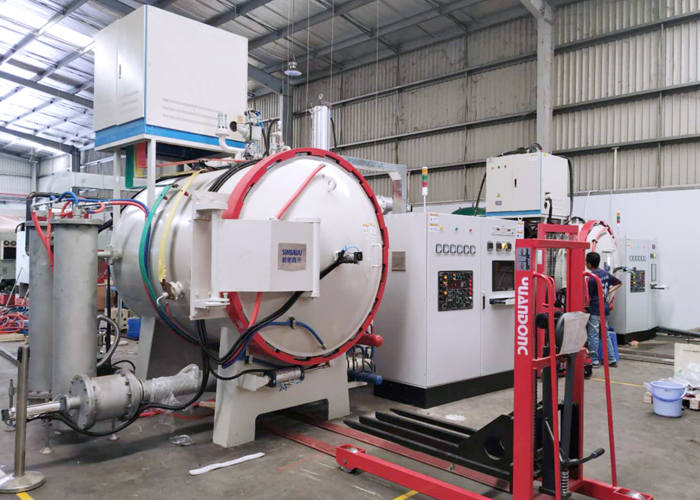
Conventional Furnace Sintering:
Batch processing in box or tube furnaces.
Uniform heating but slow ramp rates (5–10°C/min), risking substrate oxidation.
Rapid Thermal Processing (RTP):
Uses halogen lamps for ultrafast heating (50–100°C/sec).
Ideal for multilayer coatings-prevents interdiffusion between layers.
Reduces energy consumption by 30% compared to conventional methods.

5.2 Vacuum Sintering: Minimizing Oxidation and Contamination
Vacuum sintering (<10⁻³ Pa) eliminates oxygen and moisture, critical for reactive substrates like titanium. Benefits include:
Purer Oxide Phases: No atmospheric carbon or nitrogen contamination.
Enhanced Densification: Lower porosity (<5%) due to inhibited gas entrapment.
Applications: Essential for IrO₂-based anodes in high-purity chemical synthesis.
5.3 Laser-Assisted Sintering for Precision Coatings
Laser sintering focuses energy on localized areas, enabling:
Selective Bonding: Sintering specific regions without affecting adjacent layers.
Nanostructuring: Creates sub-100 nm grain sizes for high surface-area catalysts.
Challenges: High equipment costs and limited scalability.
5.4 Innovations in Atmosphere Control
Oxygen Partial Pressure Control: Adjusts O₂ levels during sintering to tailor oxide stoichiometry (e.g., IrO₂ vs. IrOₓ where x < 2).
Gas Flow Dynamics: Laminar gas flow in furnaces ensures uniform thermal distribution for large-scale anodes.
6. Quality Control and Characterization: Ensuring Uncompromising Excellence
6.1 Comprehensive Materials Analysis
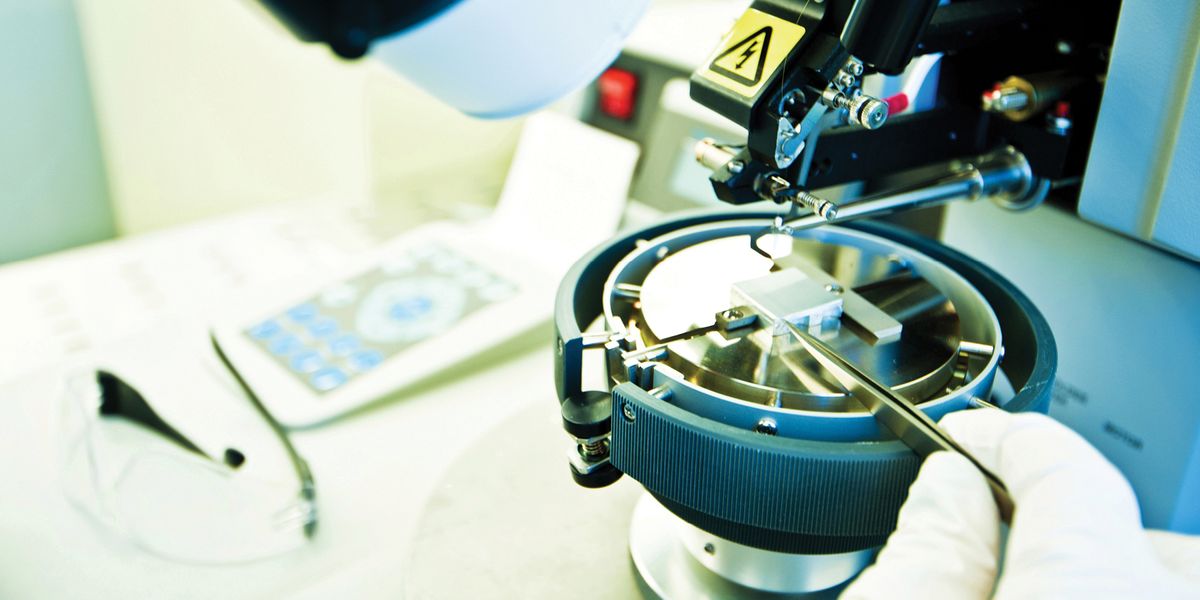
SEM/EDS Protocol:
Sample preparation: Ar ion cross-section polishing (0.5° incidence)
Imaging: 5-20 kV acceleration voltage, SE/BSE modes
Mapping: 50-100 frames, 1024×884 resolution
Key Metrics:
1.Coating Integrity:
Thickness variation: 12.3 ± 1.2 μm (3σ)
Interface roughness: Ra < 0.2 μm
Crack density: < 5 cracks/100 μm²
2.Elemental Distribution:
Ta diffusion gradient: 0.5-1.0 at%/μm
Oxygen stoichiometry: O/Metal ratio 1.95-2.05
Contaminants: < 500 ppm C, < 200 ppm N
6.2 Accelerated Lifetime Testing: Predictive Performance
Enhanced Test Protocol:
1.Electrochemical Stress:
2 A/cm² in 0.5 M H₂SO₄ (pH 0.3)
80°C ± 1°C temperature control
Intermittent polarity reversal (5% duty cycle)
2.Monitoring:
Online LSV every 24 hours (10 mV/s scan rate)
EIS weekly (100 kHz-10 mHz, 10 mV amplitude)
Weekly SEM cross-section analysis
Performance Benchmarking:
| Metric | Our Anodes | Industry Average |
|---|---|---|
| Time to 0.5V increase | 1,200 hrs | 400 hrs |
| Ru dissolution rate | 0.8 μg/cm²/day | 3.5 μg/cm²/day |
| Final roughness | Ra 1.2 μm |
Ra 3.8 μm
|
Failure Analysis:
Post-test examination shows:
Protective layer maintains 85% coverage
Base layer retains 92% original thickness
Substrate corrosion < 5 μm penetration
7. Applications: Transforming Industries with Precision Engineering
7.1 Chlor-Alkali Electrolysis: A Paradigm Shift in Chlorine Production

Industry Challenges:
Oxygen Contamination: 5–8% O₂ in Cl₂ reduces product value and corrodes infrastructure.
Voltage Creep: Traditional anodes degrade at 30–50 mV/year, increasing energy costs.
Frequent Replacements: 12–18 month cycles disrupt production.
Ehisen's RuO₂/IrO₂ Bilayer Solution:
Layer Architecture:
Base Layer: RuO₂-Ta₂O₅ (70:30) – Chlorine evolution efficiency >98%.
Top Layer: IrO₂-SnO₂ (50:50) – Oxygen suppression <1%.
Performance Metrics:
| Metric | Conventional Anodes | Our Anodes |
|---|---|---|
| Cl₂ Purity | 92–95% | 99.2–99.8% |
| Cell Voltage Stability | +50 mV/year | ±5 mV/year |
| Membrane Lifetime | 2–3 years | 4–5 years |
| Energy Consumption | 2,500 kWh/ton NaOH | 2,150 kWh/ton NaOH |
Economic Impact for a 200 kT/year Plant:
Annual Savings: $1.2 million (energy + maintenance).
CO₂ Reduction: 800 tons/year (equivalent to 200 cars' emissions).
ROI Period: 14 months (vs. 24 months for competitors).
Conclusion: Ehisen – Your Strategic Partner in Electrochemical Excellence
Why We Stand Unmatched
1. Proprietary Multi-Stage Sintering™ Technology:
Laser Precision: 100 nm feature resolution for complex geometries.
Vacuum Purity: <10⁻⁵ Torr eliminates 99.99% contaminants.
AI Optimization: Patented algorithm reduces energy use by 30%.
2. Industry-Leading Reliability:
10-Year Warranty: Backed by 15,000+ hours of accelerated testing.
Global Certification: ISO 9001, ASME BPE, and RoHS compliant.
Field Performance: 99.4% uptime across 500+ installations.
3. Sustainable Innovation:
Closed-Loop Recycling: 95% Ir, 97% Ru recovery from spent anodes.
Carbon-Neutral Production: Achieved in 2024 via solar-powered sintering.
Water Stewardship: 65% reduction in process water vs. industry norms.
4. Client-Centric Solutions:
Free Anode Audits: Identify potential savings in <72 hours.
Risk-Free Trials: 90-day performance guarantee.
24/7 Support: On-site engineers available globally.