

Choosing the right ruthenium-coated titanium anode for your needs can be a daunting task, especially in critical industries such as the chlor-alkali industry. Ehisen can simplify this process for you. We provide detailed guidance to help you make an informed decision, ensuring you choose an anode that perfectly meets your project specifications and goals. Let us help you find the ruthenium-coated titanium anode that meets your unique requirements and make the selection process smooth and straightforward.
What is a ruthenium-iridium coated titanium anode?
-
The ruthenium-iridium coated titanium anode is a high-performance electrode that utilizes the catalytic efficiency of ruthenium and the superior oxidation resistance of iridium. This combination enables electrodes to excel in a variety of industrial applications such as chlorine production, corrosion protection, electroplating and water treatment. It is particularly valued for its low chlorine evolution potential and high oxygen evolution potential, making it ideal for these applications. Ruthenium-iridium coated titanium anodes are used in a variety of applications including chlor-alkali production, cathodic protection and electroplating, and can be customized with specific coatings such as Ru-Ir-Ti to optimize performance for specific tasks. Standard coating configurations typically include 8 grams of ruthenium and 2 grams of iridium per square meter, with a thickness of approximately 8 microns. In conclusion, ruthenium-iridium coated titanium anodes are renowned for their versatile and efficient performance in various electrochemical processes, making them an important element in numerous industrial applications.
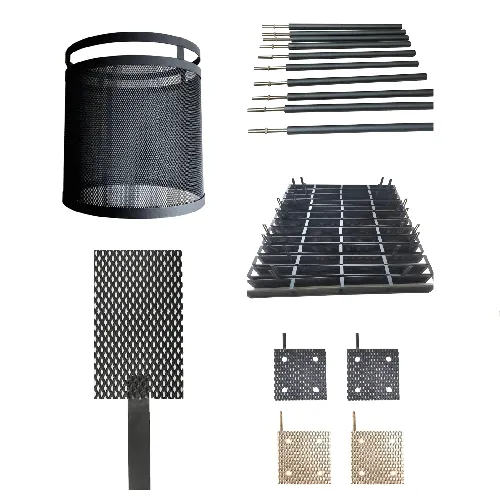
Customized ruthenium-iridium coated titanium electrode geometry
-
Ehisen's customization capabilities for ruthenium-iridium coated titanium electrodes cover a variety of shapes to ensure a perfect fit to your specific needs. Our product offerings include strips, sheets (regular, expanded, corrugated or perforated formats), foils, squares, wires, rods, discs, rods and tubes, all designed to integrate seamlessly with your application.
-
Dimensional flexibility for precision drive applications:
-
Rods: Diameters can be customized ranging from 10mm to 50mm to meet strict design requirements.
-
Wire: Available in diameters from 0.5mm to 10mm, ideal for delicate and complex connections.
-
Tubes: Available in sizes from 10mm to 200mm, ideal for supporting large structures.
-
Sheets: Available in thicknesses from 0.5 mm to 5 mm ensuring solid surface coverage for a variety of applications.
-
Mesh: Thickness options from 0.5 mm to 2.0 mm provide flexibility for different application needs.
-
This custom approach ensures that each of Ehisen's ruthenium-iridium coated titanium electrodes is perfectly suited to your project needs, increasing the efficiency and success of your electrochemical processes.
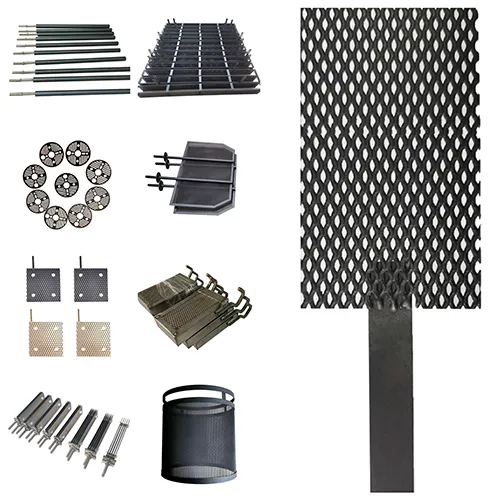
Advantages of ruthenium-iridium coated electrodes
Ruthenium-iridium coated electrodes offer many benefits for a variety of electrochemical applications:
Corrosion Resistance: These electrodes have excellent corrosion resistance, ensuring durability in harsh environments.
Reversibility: They maintain consistent performance over multiple electrochemical cycles, providing reliability and extended service life.
Increased surface area: The unique structure of these electrodes provides a larger surface area, improving electrolysis efficiency and operating efficiency.
High current efficiency: Compared with traditional anodes such as graphite, ruthenium-iridium coated electrodes have high current efficiency, reducing energy consumption.
Extended service life: These electrodes have been documented to operate effectively for over 8 years in industrial environments such as chlor-alkali processes and are known for their long service life.
Recyclable matrix: The titanium matrix is reusable at the end of the electrode's life, minimizing waste and saving costs.
In summary, ruthenium-iridium coated electrodes are an excellent choice for those seeking sustainable, efficient, and durable electrochemical processes that combine advanced corrosion protection, long life, and exceptional performance.
Ruthenium Iridium Coated Electrode Specifications
Ruthenium-iridium coated electrodes stand out for their excellent performance and durability in a variety of electrochemical applications. These electrodes are made from a grade 1 titanium substrate and are coated with mixed metal oxides (MMOs), primarily ruthenium oxide (RuO2) and iridium oxide (IRO2), with their functionality further enhanced by the addition of other elements. The specifications of these electrodes are as follows:
| Material | Gr1 Titanium as substrate, MMO as coating |
| Coating Types | RuO2 +IRO2 +X |
| Dimension & Shape | Plate, mesh, rod, or customized |
| Voltage | <24V |
| Current Density | <5,000A/㎡ |
| Work time | 80-120 H |
| Noble Metal Content | 8-13g/㎡ |
| Coating Thickness | 8~15μm |
Precautions when using ruthenium-iridium coated anodes
To optimize performance and extend the durability of ruthenium-iridium coated electrodes, it is critical to implement correct operating and maintenance practices. Known for their high efficiency and long life in electrochemical applications, these electrodes require special attention to maintain their functional integrity and coating condition. Following the guidelines below will ensure that these precision components operate to their full potential and extend their service life.
Avoid using hard or sharp objects: Do not use tools or objects that may scratch or damage the surface of the electrode, as this may damage its coating. Maintaining surface integrity is critical to the efficiency of the electrode.
Proper Cleaning and Storage: Remove the electrode from the electrolytic environment immediately after use, rinse thoroughly with water to remove residual chemicals, and store it in a dry, cool, and well-ventilated place. This practice is essential to prevent contamination and corrosion.
Current Exposure Management: Prolonged exposure to high currents can damage electrode coatings. Maintain current density within specified operating range to maintain service life and performance.
Avoid fluoride ions: Ruthenium-iridium coated electrodes are sensitive to fluoride ions, which can cause damage and shorten their effective life. Avoid using these electrodes in fluoride-containing solutions to preserve their condition.
Routine Inspections: Check electrodes regularly for signs of wear, damage, or coating corrosion. Early detection and maintenance prevent failures and ensure continued performance.
Follow Manufacturer's Instructions: Strictly follow the manufacturer's instructions for installing, operating, and maintaining electrodes. These instructions are designed to ensure proper operation and long service life of the electrode.
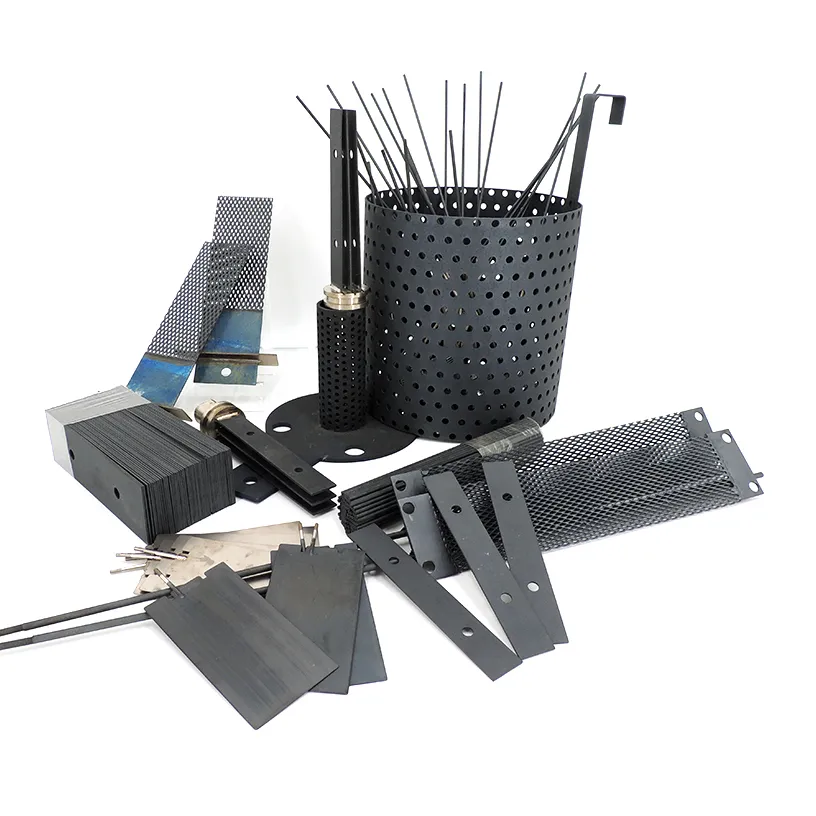
By carefully following these maintenance tips, the efficiency and service life of your ruthenium-iridium coated electrodes can be significantly increased, ensuring reliable and efficient operation in a variety of electrochemical processes.
Applications of ruthenium-iridium coated titanium anodes
Electrodes coated with ruthenium-iridium are well known for being reliable and efficient in a range of electrochemical procedures. It is perfect for a variety of industries due to its exceptional performance, long-lasting durability, and superior corrosion resistance. Here are some major applications:
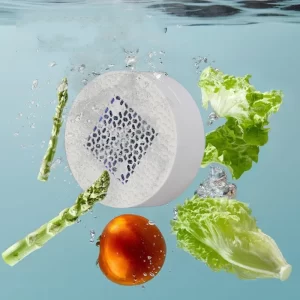
Fruit and vegetable sterilizer
Electrodes coated with ruthenium and iridium improve the efficacy of fruit and vegetable sterilising apparatus by guaranteeing total elimination of detrimental microorganisms. Food safety depends on its durable coating, which prolongs the electrode's life and enables more effective and efficient disinfection cycles.
These electrodes contribute to the extension of produce shelf life by enabling sophisticated electrochemical operations. Their application in sterilizing equipment enhances food safety regulations and promotes the health and welfare of consumers.
Sodium hypochlorite production
Electrodes coated with ruthenium and iridium are essential to the synthesis of sodium hypochlorite. They guarantee the reliability and effectiveness of the electrolysis process, which is essential for the generation of this vital disinfectant that is utilized in the sanitation, water treatment, and manufacturing of several cleaning products.
The effectiveness of electrodes in producing sodium hypochlorite provides the foundation for fundamental public health initiatives like pool and drinking water upkeep. Its dependable operation is necessary for both continuous supply and the manufacturing of high-quality disinfectants.


Chlor-Alkali Industry
These electrodes are necessary for the production of caustic soda and chlorine gas in the chlor-alkali industry. Their ability to withstand corrosion and their effective electrolysis process simplify production, increasing its cost-effectiveness and environmental sustainability.
In this industry, the use of electrodes coated with ruthenium-iridium facilitates the production of basic chemicals and guarantees that industrial processes are both financially and ecologically sustainable, thus encouraging sustainable industrial practices.
Swimming Pool Water Disinfection
Electrodes coated with ruthenium-iridium are essential for preserving the safety and cleanliness of swimming pool water. They efficiently produce chlorine, which inhibits the growth of germs, infections, and algae and maintains a safe swimming environment.
They help maintain swimming pools by lowering the demand for conventional chemicals, which is in line with environmentally beneficial methods. This promotes the sustainability of water resources in addition to making swimming more enjoyable.

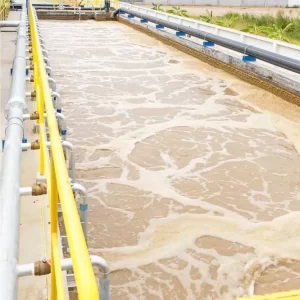
Wastewater Treatment
Electrodes coated with ruthenium and iridium are essential for effective pollutant degradation in wastewater treatment. Cleaner water outputs are produced by their use in electrochemical processes, which is crucial for maintaining ecosystem health and safeguarding water quality.
Their efficiency in treating wastewater is essential for sustainable water management techniques as well as helping to comply with environmental standards. This emphasizes how important electrodes are to supporting public health and ecological protection.
In conclusion, ruthenium-iridium coated electrodes play a crucial role in a number of sectors, improving the efficacy, durability, and efficiency of a range of electrochemical processes. These electrodes contribute significantly to the development of a safer, greener, and more sustainable environment in addition to optimizing industrial operations.
Choose the best ruthenium-iridium coated electrode for your project
At Ehisen, we put your project needs at the forefront of our services, ensuring that our ruthenium-iridium coated electrodes are not just products, but solutions tailored to your specific requirements. Understanding the critical role these electrodes play in your operation, we are committed to providing options that are a perfect match for your application needs. This commitment guides our approach to helping you select electrodes that not only meet but exceed your expectations for performance and reliability in your unique operating environment.
Assess the Operational Environment You Are in: Ascertain the particular circumstances-such as corrosiveness or high temperature swings-that the electrode will encounter. An electrode that can withstand these circumstances will operate well for the duration of its use in your location.
Compatibility of Solutions: The electrode must be compatible with the chemical environment it will be exposed to. An electrode that is chemistry-compatible with your solution will be more stable and long-lasting.
Identify the Density Requirements Now: The functional efficiency of your operations can be improved by choosing an electrode that meets the operational requirements through precise calculation of the necessary current density.
Temperature Endurance: The electrode must be able to function properly and sustain its performance within the temperature range of your application.
pH Range Consideration: The durability and efficient operation of an electrode depend on its selection in relation to the pH environment of your application.
Selection Based on Application: Make sure the electrode you choose is ideal for the intended task by customizing it to the specifics of your application, such as environmental management or industrial processes.
Budget and Lifespan Alignment: Select an electrode that offers a useful and affordable solution while meeting your budgetary constraints and meeting your expectations for lifespan.
At Ehisen, we put your project needs at the forefront of our services, ensuring that our ruthenium-iridium coated electrodes are not just products, but solutions tailored to your specific requirements. Understanding the critical role these electrodes play in your operation, we are committed to providing options that are a perfect match for your application needs. This commitment guides our approach to helping you select electrodes that not only meet but exceed your expectations for performance and reliability in your unique operating environment.
How do we ensure the quality of ruthenium coated titanium anodes?
Quality and performance are Ehisen's top priorities and we specialize in providing best-in-class ruthenium-iridium coated electrodes. Our commitment to excellence is backed by strict quality control measures, with each electrode undergoing thorough in-house testing before it reaches our customers. Our dedicated quality assurance team ensures each electrode meets the highest quality standards.
To ensure the superior quality of our electrodes, we implement various testing procedures including evaluation of bond strength, coating uniformity, thickness, chlorination efficiency, chlorine evolution polarizability, longevity and wear resistance. These rigorous testing protocols are designed to ensure that each electrode meets our stringent specifications and performs optimally in a variety of electrochemical applications.
| Test Items | Test Conditions | Qualification |
|---|---|---|
| Combining Power | 3M adhesive tape | No black marks on the tape |
| Bend 180° on Φ12mm round shaft | No peeling at the bend | |
| Uniformity test | X-Ray Fluorescence Spectrometer | ≤15% |
| Coating thickness | X-Ray Fluorescence Spectrometer | 2-10μm |
| Chlorination potential | 2000A/m2, Saturation NaCl,25±2℃ | ≤1.08V |
| Analytical chlorine polarization rate | 200/2000A/m2, Saturation NaCl,25±2℃ | ≤35mV |
| Enhanced Lifespan | 40000A/m2,1mol/L H2SO4,40±2℃ | ≥45h(Ir+Ru 8g) |
| Intensive weightlessness | 20000A/m2,8mol/L NaOH,95±2℃,electrolysis 4h | ≤10mg |
In Summary
Your project is Ehisen's top priority and we offer ruthenium-iridium coated electrodes customized for the specific needs of different applications such as chlor-alkali, sodium hypochlorite production and wastewater treatment. We understand your unique project needs and offer a range of standard and custom electrodes to ensure your operational needs are seamlessly met. Our expertise in MMO electrode technology allows us to provide the highest quality materials, with exacting specifications and outstanding surface finishes. You can rely on our dedicated team to guide you in selecting the ideal electrode, focusing on your needs and increasing your project's success rate.
related products in ehisen
