

Introduction
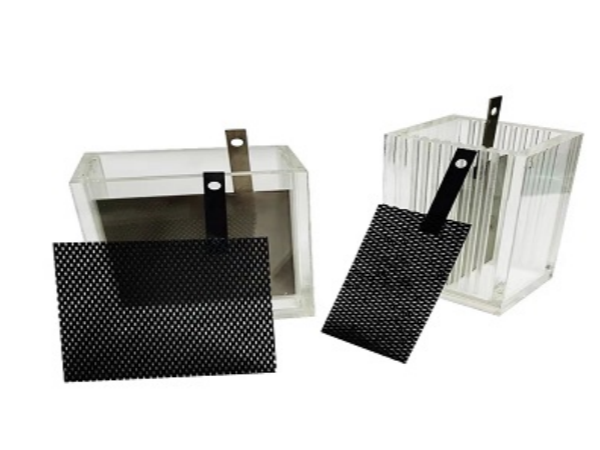
Titanium anodes play a critical role in electrochemical industries, providing stable and efficient performance in applications such as electroplating, chlor-alkali production, seawater electrolysis for hydrogen generation, cathodic protection for ships, and industrial wastewater treatment.
However, their longevity depends on proper maintenance and timely restoration. Without adequate care, titanium anodes can suffer from coating degradation, base metal corrosion, and reduced efficiency-leading to frequent replacements and increased operational costs.
In this guide, we'll explore the key strategies for maintaining and repairing titanium anodes, helping you maximize their lifespan while ensuring optimal electrochemical performance.

1. Understanding the Applications and Maintenance Needs of Titanium Anodes
Titanium anodes operate in diverse environments, and their maintenance strategies must be tailored to specific conditions. Below are common application scenarios along with the recommended maintenance practices.
Electroplating Industry (High Current Density Environment)
Electroplating baths operate at current densities exceeding 2000 A/m², which accelerates the wear of noble metal coatings (such as iridium-tantalum oxide).
Maintenance Strategy: Conduct an X-ray fluorescence (XRF) test every three months to measure coating thickness. If the coating loss exceeds 20%, initiate a restoration process to prevent performance degradation.

Seawater Electrolysis for Hydrogen Production (High Chloride Environment)
The presence of chloride ions can cause pitting corrosion in the titanium substrate.
Prevention Strategy: After shutdown, soak the anode in a 5% sodium nitrate solution to neutralize residual chloride ions. Regularly check the surface roughness of the titanium base-if Ra exceeds 1.6 μm, sandblasting treatment is required.
Chlor-Alkali Industry (High-Temperature, High-Pressure Conditions)
Electrolyzers in the chlor-alkali industry operate at temperatures above 85°C, leading to the instability of the passive oxide layer.
Optimization Strategy: Use Periodic Reverse Current (PRC) Technology by applying a reverse current (-0.5 A/dm²) for 5 minutes daily to maintain the integrity of the active coating.
Maintenance Goals at Different Performance Levels
| Performance Level | Goal | Industry Example |
|---|---|---|
| Basic Level | Extend anode lifespan to 5+ years | Small to mid-sized electroplating factories |
| Advanced Level | Maintain current efficiency >92% | Chlor-alkali industry standard compliance |
| Professional Level | Achieve >85% performance recovery after re-coating | Nuclear-grade applications |
2. The Four Major Causes of Titanium Anode Failure and Prevention Strategies
Titanium anodes degrade over time due to various factors. Understanding these causes can help in proactive prevention and timely intervention.
2.1 Coating Delamination – The Invisible Performance Killer
Causes:
Mechanical Wear: Frequent collisions with workpieces in electroplating baths can scratch and remove the noble metal coating.
Solution: Use EPDM rubber protective strips to prevent physical damage during installation.
Electrochemical Erosion: In highly acidic environments (pH <2), iridium oxide layers dissolve at a rate of 0.3 μm per kAh.
Solution: Limit continuous operation to less than 72 hours per cycle and use gradient coating technology (Ta₂O₅ base + IrO₂-Ta₂O₅ intermediate layer + SnO₂ top layer) to improve adhesion and durability by 40%.
2.2 Substrate Corrosion – A Hidden Structural Threat
When the electrolyte pH exceeds 10 or chloride ion concentration is above 200 ppm, crevice corrosion of the titanium substrate may occur.
Case Study: A chemical plant found that untreated TA2 titanium plates developed penetration holes within three months in sulfur-containing wastewater.
Prevention Measures:
1.Use Ti-Ta alloy substrates (5x higher resistance to chloride corrosion).
2.Perform quarterly anodic oxidation treatment (10V DC, 1-hour process) to form a 20 nm dense oxide film for corrosion resistance.

3. The Six Essential Steps for Routine Titanium Anode Maintenance
Regular maintenance is critical to ensuring the longevity, efficiency, and performance of titanium anodes in electrochemical applications. Proper care helps prevent coating degradation, substrate corrosion, and efficiency loss, reducing operational downtime and replacement costs.
This section outlines two key maintenance strategies:
1.Real-time smart monitoring using IoT sensors to track anode health and detect early warning signs of failure.
2.A five-step scientific cleaning process to remove contaminants and restore optimal surface conditions without damaging the anode.

3.1 Smart Monitoring System for Real-Time Anode Health Tracking
Traditional manual inspections are time-consuming and often fail to detect issues before performance declines. By integrating IoT-enabled sensors into an electrochemical system, operators can implement real-time monitoring, allowing for predictive maintenance rather than reactive repairs.
Key Parameters Monitored by IoT Sensors
✅ Voltage Fluctuations
Titanium anodes operate within a specific voltage range.
Unstable voltage readings can indicate coating degradation, contaminant buildup, or electrolyte imbalances.
Automated Alerts: If voltage deviates by more than 5%, the system triggers an alarm for immediate inspection.
✅ Electrolyte Temperature Control
Electrolyte overheating can accelerate anode wear and reduce efficiency.
Smart sensors track temperature fluctuations and automatically activate cooling systems if necessary.

Real-Time Data Tracking Example
| Parameter | Normal Range | Warning Threshold | Issue Indicated |
|---|---|---|---|
| Operating Voltage | 3.2–3.8V | >4.0V | Coating degradation, increased resistance |
| Coating Resistance | 0.8–1.2 Ω·cm² | >1.5 Ω·cm² | Surface contamination, scaling buildup |

Benefits of Smart Monitoring Systems
🔹 Early Failure Detection – Identify minor issues before they escalate into costly breakdowns.
🔹 Optimized Performance – Maintain stable operating conditions, extending anode lifespan.
🔹 Automated Alerts & Remote Access – Operators receive real-time notifications for immediate intervention.
By integrating IoT sensors and cloud-based dashboards, industries can significantly reduce manual inspection efforts and improve operational efficiency.
3.2 The Five-Step Scientific Cleaning Method
Over time, titanium anodes accumulate contaminants, scale deposits, and residue that reduce their electrochemical efficiency. A well-structured cleaning process ensures the removal of these impurities while preserving the integrity of both the noble metal coating and the titanium substrate.
⚠ Important Note: Incorrect cleaning techniques-such as using hydrofluoric acid (HF)-can cause severe damage to titanium anodes. In one electroplating facility, the misuse of HF cleaning resulted in $300,000 worth of anode damage, leading to significant financial loss.
Step 1: Pre-Rinse – Removing Surface Contaminants
Why?
Before performing any chemical cleaning, loose debris and contaminants must be flushed away.
How?
Use deionized water (DI water) with a minimum flow rate of 5 L/min to gently remove dirt, metal residues, and electrolyte deposits.
This prevents unnecessary chemical reactions in later cleaning steps.
01
Step 2: Acid Activation – Restoring Electrochemical Activity
Why?
Over time, the anode's surface may develop oxide layers and mineral deposits, reducing conductivity.
Acid activation dissolves these unwanted layers, restoring the anode's reactivity.
How?
Use 10% oxalic acid solution at 40°C for 15 minutes in an ultrasonic cleaner.
Avoid Hydrochloric Acid (HCl)! – While HCl is often used for metal cleaning, it can dissolve noble metal coatings, causing irreversible damage.
🔹 Oxalic acid is preferred because it selectively dissolves impurities without harming the active coating.
02
Step 3: Alkaline Neutralization – Removing Acidic Residues
Why?
Any remaining acidic residues can lead to localized corrosion or interfere with anode performance.
Alkaline treatment neutralizes acid residues and enhances surface passivation.
How?
Immerse the anode in 5% sodium hydroxide (NaOH) solution.
Apply 0.5 A/dm² of direct current (DC) for 20 minutes to facilitate electrochemical neutralization.
This process removes lingering acid contaminants and stabilizes the anode's surface chemistry.
03
Step 4: Pure Water Rinse – Eliminating Residual Chemicals
Why?
Even trace amounts of chemicals from previous steps can alter the anode's function and lead to unintended side reactions.
How?
Perform three consecutive rinses using ultrapure water with a conductivity of <10 μS/cm.
This ensures that the anode is completely free of chemical residues before drying and storage.
04
Step 5: Dry and Store – Preventing Moisture Damage
Why?
Proper drying and storage prevent oxidation, moisture-induced degradation, and unwanted surface reactions.
How?
Use nitrogen gas purging to dry the anode, ensuring that no moisture or oxygen remains trapped.
Store the anode in a vacuum-sealed environment with a relative humidity of <30%.
🔹 This final step is crucial for ensuring that the cleaned anode remains in optimal condition until its next use.
05
Why This Cleaning Method is Scientifically Effective
| Cleaning Step | Key Function
|
Why It's Important |
| Pre-Rinse
|
Removes loose contaminants | Prevents unwanted chemical reactions in later steps |
| Acid Activation
|
Dissolves oxide layers | Restores electrochemical efficiency |
| Alkaline Neutralization
|
Neutralizes acid residues | Prevents localized corrosion |
| Pure Water Rinse
|
Eliminates residual chemicals | Ensures optimal surface purity |
| Dry and Store
|
Protects anode from oxidation | Prevents performance degradation |
Key Takeaways for Titanium Anode Maintenance
🔹 Automated Smart Monitoring Prevents Failures
IoT sensors track voltage, resistance, and temperature, providing real-time alerts for maintenance actions.
🔹 A Scientific Cleaning Routine Extends Anode Lifespan
A step-by-step approach ensures thorough contaminant removal without damaging the noble metal coating.
Avoid harsh acids like hydrofluoric acid (HF), which can irreversibly dissolve the titanium substrate.
🔹 Proper Storage and Handling Preserve Performance
Nitrogen purging and vacuum-sealing protect the anode from environmental degradation, ensuring long-term usability.
By implementing real-time monitoring and a structured cleaning process, industries can maximize the performance and longevity of their titanium anodes, reducing downtime and minimizing replacement costs.
4. Advanced Restoration Techniques for Titanium Anodes
Over time, the coating on titanium anodes degrades due to mechanical wear, electrochemical dissolution, and environmental stress. Instead of completely replacing the anodes, which is costly and time-consuming, restoration techniques such as plasma spray coating and electrochemical deposition can effectively regenerate the active layer, extending the anode's service life while maintaining optimal electrochemical performance.
4.1 Plasma Spray Coating for Localized Repairs
Plasma spray coating is a widely used technique for repairing partially damaged anode coatings. It is particularly effective when the base titanium structure remains intact, but the noble metal oxide layer has worn off due to extended use. This method ensures that only the affected areas are treated, significantly reducing costs compared to full anode replacement.
Process Steps and Explanations
1. Surface Preparation: Sandblasting with 120-mesh Al₂O₃ at 0.3 MPa
Before applying a new coating, the surface must be thoroughly cleaned and roughened to enhance adhesion. Sandblasting with 120-mesh aluminum oxide (Al₂O₃) at 0.3 MPa pressure removes residual oxides, contaminants, and any loose material from the degraded coating. This step increases the surface area and mechanical interlocking of the new coating, ensuring better bonding strength.
2. Plasma Spray Parameters: 40 kW Power, 15 g/min Feed Rate of IrO₂-Ta₂O₅ Powder
High-Temperature Coating Application: A 40 kW plasma torch generates an extremely high-temperature plasma jet, melting the IrO₂-Ta₂O₅ powder as it is sprayed onto the prepared surface.
Optimized Powder Feed Rate: A 15 g/min feed rate ensures a uniform layer deposition while preventing excessive material waste or coating defects.
Advantages of IrO₂-Ta₂O₅ Coating:
1.Provides excellent electrical conductivity for efficient electrochemical reactions.
2.Resists corrosion in highly oxidative environments, such as chlor-alkali production and seawater electrolysis.
3.Enhances durability, reducing future maintenance needs.
3. Post-Treatment: Vacuum Annealing at 500°C for 2 Hours
After plasma spraying, the coated anode undergoes vacuum annealing at 500°C for 2 hours. This heat treatment serves three key purposes:
Enhances Coating Adhesion: The heat treatment allows diffusion bonding between the new coating and the titanium substrate, reducing the likelihood of delamination.
Improves Oxide Layer Stability: It helps optimize the crystalline structure of IrO₂-Ta₂O₅, increasing its resistance to mechanical and electrochemical degradation.
Reduces Internal Stress: Plasma-sprayed coatings may develop internal stresses due to rapid cooling. Vacuum annealing relieves these stresses, preventing micro-cracks and improving the long-term performance of the anode.
Cost and Effectiveness Comparison
Compared to full anode replacement, plasma spray coating offers a highly cost-effective solution, providing substantial lifespan recovery at a fraction of the cost.
| Restoration Method | Cost (per dm²) | Lifespan Recovery |
|---|---|---|
| Plasma Coating | $38 | 75–85% |
| Complete Replacement | $120 | 100% |
When to Choose Plasma Spray Coating?
Ideal for anodes with localized damage where the titanium base remains intact.
Best suited for industries with high material costs, such as chlor-alkali production and electroplating.
Recommended when budget constraints prevent full anode replacement but performance recovery is essential.

4.2 Electrochemical Deposition for Uniform Coating Regeneration
While plasma spray coating is ideal for localized repairs, electrochemical deposition (ECD) is the preferred method when the entire anode requires a uniform and precise coating. This method restores the original noble metal oxide layer, ensuring consistent electrochemical activity across the entire surface.
Why Use Electrochemical Deposition?
1.Provides exceptional coating uniformity, eliminating variations in thickness that may occur with plasma spraying.
2.Ensures better bonding at the atomic level, as the new coating is deposited electrochemically rather than mechanically adhered.
3.Reduces material waste and enhances cost efficiency, as it allows precise control over coating thickness.

Process Steps and Explanations
1. Electrolyte Composition: 0.2M Hexachloroiridic Acid (H₂IrCl₆) + 0.1M Oxalic Acid
H₂IrCl₆ (Hexachloroiridic Acid): This serves as the iridium source for the new oxide layer. Iridium is highly corrosion-resistant and enhances the anode's conductivity.
Oxalic Acid (0.1M): This acts as a stabilizing agent, controlling the deposition process and preventing unwanted precipitation. It ensures a smooth, dense, and adherent coating formation.
2. Optimized Process Parameters
Temperature: 75°C – Higher temperatures enhance ion mobility, ensuring a more compact and defect-free coating.
Current Density: 20 mA/cm² – A moderate current density provides a balanced deposition rate, preventing overgrowth or uneven coating.
Deposition Time: 30 minutes per μm thickness – The process is precisely controlled to match the desired coating thickness, allowing engineers to customize layer regeneration based on wear levels.
Advantages of Electrochemical Deposition Over Plasma Coating
| Aspect | Electrochemical Deposition | Plasma Spray Coating |
|---|
| Coating Uniformity | Excellent (Ideal for full anode restoration) | Moderate (Best for localized repairs) |
| Bonding Strength | Atomic-Level Bonding (Superior) | Mechanical Bonding |
| Coating Precision | Highly Controlled (Exact thickness achievable) | Depends on spraying conditions |
| Cost Efficiency | More cost-effective for large-scale restoration | Better for small-area fixes |
When to Choose Electrochemical Deposition?
Best suited for anodes requiring a complete re-coating rather than a localized fix.
Ideal for high-precision applications, such as semiconductor manufacturing or nuclear power electrolysis.
Preferred when coating consistency and durability are top priorities.
5. Case Study: Offshore Wind Power Cathodic Protection System
Challenges: Harsh Marine Environment and Intermittent Operation
Offshore wind farms play a crucial role in renewable energy generation, but their infrastructure is constantly exposed to one of the most corrosive environments on Earth-the open sea. Titanium anodes are widely used in cathodic protection systems to prevent the corrosion of wind turbine foundations and subsea structures. However, maintaining the effectiveness of these anodes presents two major challenges:
1. Severe Salt Spray Corrosion
Offshore wind turbines are exposed to a continuous mist of highly concentrated salt spray due to ocean winds and waves.
Chloride ions (Cl⁻) from seawater aggressively attack both the titanium substrate and its noble metal coating.
Over time, this leads to coating degradation, increased resistance, and reduced electrochemical efficiency, causing premature anode failure.

2. Intermittent Operation and Its Negative Impact on Anodes
Unlike continuous industrial electrolysis processes, offshore cathodic protection systems often operate intermittently.
Wind turbines may shut down and restart 8–10 times per month due to variable wind conditions, grid demand fluctuations, or maintenance schedules.
Frequent start-stop cycles cause passive oxide film instability on titanium anodes, reducing their protective effectiveness.
When left inactive, anodes can experience surface fouling and reduced conductivity, accelerating their deterioration.
Without an effective maintenance strategy, offshore wind farms could face rapid anode depletion, leading to:
Frequent anode replacements, increasing operational costs.
Higher risk of corrosion damage, compromising the structural integrity of turbine foundations.
Increased downtime and maintenance complexity, affecting overall energy production.
Custom Maintenance Plan: Innovative Protection Strategies
To counteract these challenges, a two-part maintenance strategy was implemented, focusing on:
1. Shutdown Protection: Corrosion Inhibition with Benzotriazole in Ethylene Glycol
During planned or unplanned shutdowns, anodes remain exposed to seawater without active current flow, increasing the risk of chloride-induced corrosion and passive film degradation.
To prevent this, 0.1M benzotriazole (BTA) in ethylene glycol was injected into the system.
How It Works:
Benzotriazole (BTA) is an effective corrosion inhibitor, forming a protective molecular barrier on the titanium surface.
Ethylene glycol acts as a carrier medium, ensuring uniform distribution of the inhibitor over the anode's surface.
This combination prevents aggressive chloride ions from attacking the titanium substrate, even when the system is idle.
Why This Method Was Chosen:
Non-toxic and environmentally friendly, complying with offshore regulations.
Long-lasting inhibition, protecting the anodes for extended shutdown periods.
Simple implementation, requiring minimal system modifications.

2. Smart Wake-Up System: Preventing Passive Film Degradation
To maintain the electrochemical activity of the anodes during periods of low or no operation, a remote-triggered polarization current system was installed.
The system applies a 0.1 A/dm² polarization current to the anodes at regular intervals, even when the wind turbines are not generating power.
How It Works:
The small polarization current prevents excessive thickening of the passive oxide layer on titanium anodes.
By maintaining a controlled electrochemical reaction, the anodes retain their activation state, avoiding delays in protection when the system restarts.
The wake-up system can be remotely activated via a centralized monitoring platform, ensuring real-time adjustments based on weather conditions and turbine operation schedules.

Why This Method Was Effective:
Prevents performance loss due to excessive passive film formation.
Minimizes anode startup delays, ensuring immediate cathodic protection when turbines resume operation.
Reduces fouling and buildup on anode surfaces, enhancing long-term durability.
Results: Significant Improvement in Anode Lifespan and Cost Savings
By implementing these maintenance strategies, the offshore wind farm achieved remarkable improvements in anode performance and cost efficiency:
✅ Anode Lifespan Extended from 3 to 7 Years
Previously, anodes required replacement every 3 years due to corrosion and performance loss.
With the corrosion inhibition and smart wake-up system, anodes now remain functional for at least 7 years before requiring re-coating or replacement.
✅ 60% Reduction in Maintenance Costs
The cost of frequent anode replacements was significantly reduced, as fewer new anodes were needed over the same operational period.
Fewer manual inspections and maintenance interventions lowered labor and logistical expenses.
✅ Increased Reliability and Structural Protection
The improved anode performance ensured continuous and effective cathodic protection, reducing the risk of corrosion damage to wind turbine foundations.
Minimized downtime resulted in higher overall energy output, contributing to a more stable power supply.
Key Takeaways for Offshore Wind Farm Operators
The success of this case study highlights the importance of proactive maintenance strategies for titanium anodes in offshore applications. Operators managing offshore wind farms can achieve similar benefits by:
1️⃣ Implementing corrosion inhibitors like benzotriazole to protect anodes during idle periods.
2️⃣ Using smart polarization techniques to maintain anode activation even when turbines are not in operation.
3️⃣ Adopting remote monitoring systems to optimize anode performance with minimal manual intervention.
With these best practices, offshore wind farms can enhance asset longevity, reduce maintenance costs, and improve overall efficiency-ensuring sustainable and cost-effective renewable energy production.
Conclusion
Restoring titanium anodes using plasma spray coating or electrochemical deposition can significantly extend their lifespan and reduce replacement costs.
Plasma Spray Coating is the best choice for localized damage, offering rapid restoration at 75–85% of the original lifespan.
Electrochemical Deposition ensures a precise and uniform coating, making it ideal for full anode restoration and extending performance to near-new conditions.
By selecting the appropriate restoration method, industries can reduce material waste, lower costs, and maintain optimal anode performance without frequent replacements. If you're unsure which method is best for your application, our engineering team can provide customized recommendations based on your specific operational conditions.