1. Introduction
Water is the source of life and an essential resource for human survival and development. However, with the rapid expansion of industrialization and urbanization, water pollution has become a significant issue, posing serious threats to human health and the ecological environment.
One of the most critical concerns in water contamination is the presence of pathogenic microorganisms, including bacteria, viruses, and parasites. These microorganisms can cause waterborne diseases, leading to public health crises. Ensuring safe drinking water and preventing outbreaks of waterborne diseases necessitates effective water disinfection techniques.

Traditional water disinfection methods, such as chlorine gas and bleaching powder, have been widely used for decades. While these methods provide some level of disinfection, they come with several drawbacks:
Safety Concerns: Chlorine gas is highly toxic, posing risks during storage and transportation.
Harmful Byproducts: Traditional disinfection methods can produce hazardous byproducts, such as trihalomethanes (THMs), which pose potential risks to human health and the environment.
Operational Complexity: These methods require careful handling and maintenance, often necessitating trained personnel.
To address these challenges, sodium hypochlorite generators (SHG) have emerged as a safer, more efficient, and environmentally friendly alternative for water disinfection. These devices generate sodium hypochlorite (NaOCl) solution on-site, eliminating the need for hazardous chemical storage and transportation.
This article provides a detailed exploration of sodium hypochlorite generators, covering their working principles, advantages, types, applications, installation, maintenance, and future developments.
2. Overview of Sodium Hypochlorite Generators
2.1 Definition and Working Principle
A sodium hypochlorite generator is an electrochemical device that produces sodium hypochlorite solution through the electrolysis of salt (NaCl) and water. The fundamental reaction occurring in the generator can be represented as:

The electrolysis process involves the following steps:
Brine Preparation: A salt solution (NaCl and water) is prepared at an appropriate concentration.
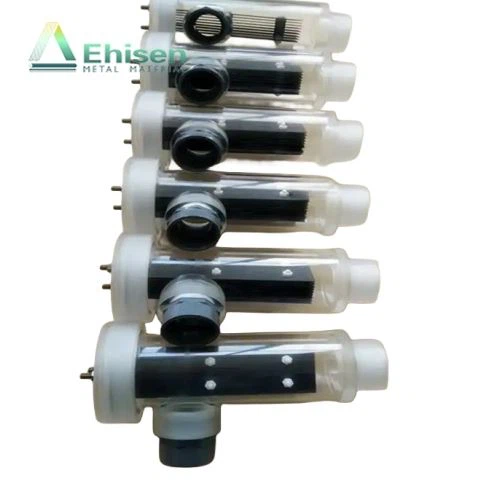
Electrolysis Process: The brine is passed through an electrolytic cell containing electrodes (typically titanium coated with mixed metal oxides).
Sodium Hypochlorite Formation: The electric current breaks down the saltwater solution, producing sodium hypochlorite, hydrogen gas, and sodium hydroxide.
Product Collection: The generated sodium hypochlorite is collected for immediate or later use in water disinfection.
2.2 Development History
The development of sodium hypochlorite generators has evolved through several key stages:
Early Research (Early 20th Century): Scientists discovered that electrolysis of saltwater could produce sodium hypochlorite, but the technology was still in its infancy.
Technological Advancements (Mid-20th Century): Improvements in electrolysis technology led to more efficient generators, and industries began adopting them for water disinfection.
Maturity and Commercialization (Late 20th Century – Present): Sodium hypochlorite generators have become widely used in municipal water treatment, industrial water recycling, and healthcare facilities.
2.3 Application Fields
Sodium hypochlorite generators have a broad range of applications, including:
Drinking Water Disinfection: Ensuring safe and clean drinking water by eliminating harmful microorganisms.
Swimming Pool Water Treatment: Maintaining hygienic conditions by preventing the spread of waterborne infections.
Hospital Wastewater Disinfection: Preventing the spread of pathogens from medical facilities.
Industrial Water Treatment: Controlling microbial growth in cooling towers and other industrial water systems.
3. Advantages of Sodium Hypochlorite Generators
Compared to traditional disinfection methods, sodium hypochlorite generators offer several significant advantages:

3.1 Safety and Reliability
On-site generation eliminates the need for storing and transporting hazardous chemicals.
No toxic gases are produced during operation, reducing risks to personnel and the environment.
3.2 High Efficiency and Environmental Friendliness
Sodium hypochlorite is a powerful oxidant, effectively killing bacteria, viruses, and other microorganisms.
Unlike chlorine gas, it does not produce dangerous byproducts like trihalomethanes (THMs).
The decomposition products of sodium hypochlorite (water and salt) are environmentally benign.
3.3 Ease of Operation and Maintenance
Fully automated systems require minimal operator intervention.
Maintenance is straightforward, primarily involving routine electrode cleaning and occasional component replacement.
Lower overall operating costs compared to traditional chemical disinfection methods.
4. Types of Sodium Hypochlorite Generators
Sodium hypochlorite generators can be categorized based on different criteria, such as electrolytic cell design, electrolysis method, and automation level. Understanding these classifications helps users choose the most suitable system for their specific needs. Below, we explore each type in detail.
4.1 Classification by Electrolytic Cell Design
Electrolytic cell design plays a crucial role in determining the efficiency, production capacity, and operational stability of sodium hypochlorite generators. The main types of electrolytic cell designs include:

4.1.1 Single-Cell Type
A single-cell sodium hypochlorite generator features a single electrolytic cell in which the electrolysis process occurs. This design has the following characteristics:
Simple Structure: The single-cell design is straightforward, making it easy to manufacture and install.
Lower Cost: Since fewer components are required, the overall production and maintenance costs are lower.
Limited Production Capacity: Due to having only one electrolytic chamber, the amount of sodium hypochlorite produced per unit time is relatively small. This makes it suitable for small-scale water treatment applications, such as residential or small commercial systems.
Common Applications: Small drinking water systems, household disinfection units, and small-scale swimming pools.
4.1.2 Dual-Cell Type
A dual-cell sodium hypochlorite generator contains two electrolytic cells, which improves efficiency and stability. Features of this type include:
Improved Efficiency: The dual-cell system allows for a higher rate of sodium hypochlorite production compared to single-cell models.
Better Stability: Having two cells helps balance the workload, reducing wear and prolonging equipment lifespan.
Moderate Cost: While more expensive than single-cell systems, dual-cell generators are still cost-effective for medium-scale operations.
Common Applications: Medium-sized municipal water treatment plants, medium-sized swimming pools, and hospitals.
4.1.3 Multi-Cell Type
The multi-cell sodium hypochlorite generator is designed for large-scale production, featuring multiple electrolytic cells that operate simultaneously. Key characteristics include:
High Production Capacity: Multiple cells allow for the continuous generation of large volumes of sodium hypochlorite, making it ideal for industrial and municipal applications.
Redundancy for Reliability: If one cell malfunctions, the others can continue operation, ensuring uninterrupted production.
Higher Cost: Due to its complex structure, a multi-cell generator has higher initial costs and maintenance requirements.
Common Applications: Large municipal water treatment facilities, industrial wastewater treatment, and large-scale cooling tower disinfection.
4.2 Classification by Electrolysis Method
The electrolysis method used in sodium hypochlorite generators affects efficiency, maintenance, and system longevity. There are two primary types:
4.2.1 Tubular Electrolytic Cells

Tubular electrolytic cells use tube-shaped electrodes to facilitate the electrolysis process. Their key features include:
Large Electrode Surface Area: This design provides a larger surface area for the electrolysis reaction, enhancing efficiency.
High Efficiency: Due to the increased contact area between the electrolyte (saltwater) and the electrodes, more sodium hypochlorite can be produced in a shorter time.
More Difficult Maintenance: The tubular structure can make cleaning and maintenance more challenging, as scale buildup inside the tubes can reduce efficiency over time.
Common Applications: Large-scale industrial water treatment, municipal water plants, and applications requiring high-volume disinfection.
4.2.2 Plate Electrolytic Cells

Plate electrolytic cells consist of flat plate-shaped electrodes arranged in parallel. Their main features include:
Compact Design: The flat plate structure allows for a more compact system, making it suitable for installations with space constraints.
Easier Maintenance: Unlike tubular cells, plate electrodes are easier to clean, as they do not have narrow tubes where scale buildup can occur.
Slightly Lower Efficiency: Although generally efficient, plate cells may have a lower production rate compared to tubular designs due to the reduced electrode surface area.
Common Applications: Small to medium-sized facilities, hospitals, swimming pools, and on-site disinfection units.
4.3 Classification by Automation Level
Automation level is an important factor in selecting a sodium hypochlorite generator, as it determines operational complexity and labor requirements. Generators can be classified as either manual or fully automated.
4.3.1 Manual Systems
Manual sodium hypochlorite generators require human intervention for operation and maintenance. Their key features include:
Lower Initial Cost: Since these systems lack advanced sensors and automation components, they are more affordable.
Requires Frequent Operator Involvement: Manual systems need an operator to start, monitor, and adjust the electrolysis process, which can be labor-intensive.
Potential for Human Error: Since operation depends on manual adjustments, there is a higher risk of incorrect dosing or inefficient production.
Common Applications: Small-scale disinfection needs where labor is readily available, such as rural water treatment plants and low-budget industrial applications.
4.3.2 Fully Automated Systems
Fully automated sodium hypochlorite generators incorporate advanced control systems, sensors, and remote monitoring capabilities. Features include:
Minimal Operator Intervention: The system automatically adjusts electrolysis parameters based on water quality and demand, reducing the need for manual input.
Higher Precision and Efficiency: Automated dosing ensures optimal sodium hypochlorite production and delivery, reducing waste and improving disinfection efficiency.
Remote Monitoring and Control: Many modern systems can be integrated with SCADA (Supervisory Control and Data Acquisition) or IoT-based platforms, allowing real-time monitoring and remote adjustments.
Higher Cost: Advanced features and automation increase the initial investment cost but lead to long-term savings in labor and chemical use.
Common Applications: Large municipal water treatment plants, industrial facilities, and hospitals where continuous and precise disinfection is essential.
Summary Table: Types of Sodium Hypochlorite Generators
| Classification | Type | Key Features | Common Applications |
|---|---|---|---|
| By Electrolytic Cell Design | Single-Cell | Simple, low-cost, low production capacity | Small drinking water systems, home use |
| Dual-Cell | Moderate efficiency and cost, suitable for medium-scale use | Medium-sized water plants, hospitals | |
| Multi-Cell | High production capacity, redundant design | Large municipal water plants, industrial water treatment | |
| By Electrolysis Method | Tubular Electrolytic Cells | High efficiency, large electrode area, difficult to clean | Industrial water treatment, municipal plants |
| Plate Electrolytic Cells | Compact, easier to maintain, slightly lower efficiency | Small to medium facilities, hospitals, pools | |
| By Automation Level | Manual Systems | Low cost, labor-intensive, risk of human error | Small-scale disinfection, rural plants |
| Fully Automated Systems | High precision, remote monitoring, minimal labor required | Large water plants, industrial sites, hospitals |
Selecting the right sodium hypochlorite generator depends on factors such as production capacity, maintenance requirements, and budget. Single-cell and manual systems are cost-effective for small applications, while multi-cell and automated systems are ideal for large-scale, high-efficiency operations. Understanding these differences helps ensure the best choice for water disinfection needs, promoting both safety and efficiency.
5. Selection Criteria for Sodium Hypochlorite Generators
Selecting the right sodium hypochlorite generator (SHG) is crucial for ensuring effective water treatment while optimizing costs and operational efficiency. Several key factors must be considered before purchasing and installing an SHG system.
5.1 Water Treatment Capacity
One of the most critical selection criteria is ensuring that the generator can produce a sufficient amount of sodium hypochlorite to meet daily water treatment demands. Factors to consider include:

Flow Rate: Determine the average and peak water flow rates to ensure the SHG can generate enough disinfectant to maintain safe chlorine residuals.
Disinfection Demand: Different water sources have varying levels of contamination. Highly polluted water requires more sodium hypochlorite.
System Scalability: Some facilities may need to expand in the future. Choosing a modular system allows for capacity upgrades as demand increases.
For example, a municipal water plant treating 10 million liters per day (MLD) may require a higher-capacity SHG compared to a small industrial facility treating only 100,000 liters per day.
5.2 Raw Water Quality
The chemical composition of the raw water affects the required sodium hypochlorite dosage and the generator's performance. Key considerations include:

Organic Matter Content: Water containing high levels of organic matter (such as surface water sources) requires more disinfectant to neutralize potential contaminants.
Ammonia and Nitrogen Compounds: The presence of ammonia may lead to chloramine formation, which affects disinfection efficiency.
pH Levels: The effectiveness of sodium hypochlorite is influenced by pH. Higher pH levels (>8.5) may reduce its disinfecting power.
Hardness and Scaling Potential: Water with high calcium and magnesium concentrations can cause scaling on the electrolytic cell, reducing efficiency. In such cases, a pre-treatment system (e.g., softening or filtration) may be necessary.
5.3 Installation and Space Requirements
Before purchasing an SHG, the installation site must be evaluated to ensure the system can be properly integrated. Factors to consider include:
Available Space: SHGs come in different sizes, and large-capacity models require more floor space. Compact models are available for facilities with space constraints.
Ventilation and Safety Requirements: Proper ventilation is necessary to prevent hydrogen gas buildup, a byproduct of the electrolysis process. Some installations may require exhaust fans.
Plumbing and Electrical Connections: The system needs access to a steady water supply, drainage, and an appropriate power source (e.g., 220V or 380V, depending on the unit).
Ease of Maintenance: The unit should be installed in a location where maintenance personnel can easily access key components for inspection and servicing.
5.4 Cost Considerations
The overall cost of an SHG system includes both initial investment and ongoing operational expenses. To make an informed decision, consider:
Initial Equipment Cost: Prices vary depending on capacity, automation level, and manufacturer. Fully automated systems with remote monitoring capabilities tend to be more expensive.
Operational Costs:
Electricity Consumption: Electrolysis requires electrical power, and energy efficiency varies between models.
Salt Consumption: SHGs require a steady supply of salt (NaCl), which adds to recurring costs.
Maintenance Expenses: Periodic electrode replacement, cleaning, and component servicing should be factored into the budget.
Return on Investment (ROI): Compared to traditional disinfection methods (such as chlorine gas or bulk sodium hypochlorite purchases), an SHG can reduce long-term chemical costs and improve safety.
6. Installation and Commissioning
Proper installation and commissioning of an SHG system ensure its optimal performance and longevity. The process involves site preparation, assembly, and system testing.

6.1 Installation Steps
1. Site Selection
Choose a well-ventilated location to prevent hydrogen gas accumulation.
Ensure the site has access to a stable electrical supply and a consistent water source.
Verify that the floor can support the weight of the generator and related equipment.
2. Equipment Assembly
Position the generator in place according to the manufacturer's specifications.
Connect the inlet water supply, brine tank, and discharge pipelines.
Ensure electrical connections meet local regulations and safety standards.
3. Leakage Inspection
Check all pipe fittings and valves for leaks.
Perform a pressure test to verify the integrity of the water supply system.
.
6.2 System Testing and Commissioning
1. Initial Startup
Fill the system with clean water and salt brine.
Power on the system and allow it to run in a test mode.
2. Monitor Operational Parameters
Check voltage and current readings to ensure the electrolytic cells are functioning correctly.
Measure the sodium hypochlorite concentration to confirm proper dosing.
3. Adjust and Optimize Settings
Fine-tune chlorine output based on water demand and raw water characteristics.
Set up automation controls, if applicable, to regulate production efficiently.
Once testing is complete, the system is ready for continuous operation.
7. Operation and Maintenance
Routine operation and maintenance are essential for maximizing the lifespan of an SHG and ensuring reliable performance.

7.1 Safety Guidelines
Operator Training: Personnel should receive training on proper handling, emergency procedures, and troubleshooting techniques.
Gas Ventilation: Hydrogen gas is a byproduct of electrolysis and must be safely vented to prevent accumulation.
Protective Equipment: Operators should wear gloves and eye protection when handling chemicals.
7.2 Routine Maintenance
Electrode Cleaning: Electrodes must be periodically cleaned to remove scale deposits and maintain efficiency.
Salt Tank Inspection: Ensure a steady supply of salt to prevent interruptions in hypochlorite production.
Leak and Component Checks: Inspect pipes, fittings, and pumps for leaks or signs of wear.

8. Case Studies and Real-World Applications
8.1 Municipal Water Treatment
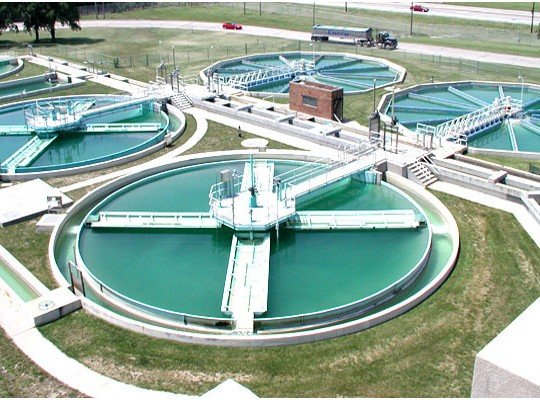
A city in the United States implemented on-site sodium hypochlorite generation in its drinking water treatment plant, replacing chlorine gas. The benefits included:
Enhanced safety by eliminating the risks associated with chlorine gas storage and handling.
Reduced operational costs due to lower chemical transportation expenses.
More stable chlorine dosing, ensuring compliance with regulatory standards.
8.2 Industrial Applications
A large manufacturing facility adopted SHGs for industrial cooling water disinfection. The company achieved:
Improved efficiency by maintaining a consistent chlorine residual, preventing biofilm formation.
Lower environmental impact, as on-site generation reduced the transportation of hazardous chemicals.

Conclusion
Selecting, installing, and maintaining a sodium hypochlorite generator requires careful planning to ensure efficiency, cost-effectiveness, and safety. With the rise of smart automation and energy-efficient technologies, SHGs are becoming an increasingly viable solution for water treatment across municipal, industrial, and commercial sectors. As these systems continue to evolve, they will play a crucial role in ensuring safe and sustainable water disinfection worldwide.
If you're looking for a high-quality, reliable, and cost-effective sodium hypochlorite generator, Ehisen offers cutting-edge solutions designed to meet the needs of various industries. With advanced technology, high efficiency, and user-friendly automation, Ehisen's SHGs ensure consistent chlorine production, reduced operational costs, and enhanced safety.
Why Choose Ehisen?
✅ High-Quality Equipment – Built for durability and efficiency.
✅ Smart Automation – Easy operation with remote monitoring options.
✅ Cost-Effective Solutions – Reduce chemical transportation and storage costs.
✅ Customizable Systems – Tailored to meet specific water treatment needs.
✅ Expert Support – Professional guidance from selection to installation.
🔹 Get in Touch Today! Visit Ehisen's Official Website or contact our team for expert consultation and find the best sodium hypochlorite generation solution for your needs.
Ensure safe, sustainable, and efficient water disinfection with Ehisen!